
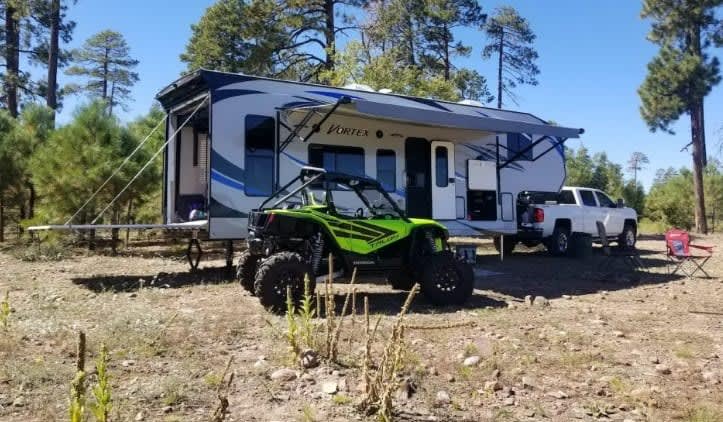
Introduction to Recreational Vehicle Insurance
Recreational vehicle insurance is a specialized coverage designed to protect a variety of vehicles that are utilized primarily for leisure activities. As more individuals and families embrace outdoor adventures and road trips, the need for appropriate insurance becomes increasingly important. This type of insurance encompasses various vehicles, such as motorhomes, travel trailers, fifth wheelers, and campers. Each category has unique characteristics and risks, necessitating tailored insurance solutions to safeguard their owners.
Motorhomes, often considered a home on wheels, provide the luxury of travel without sacrificing comfort. As these vehicles can be quite costly, ensuring adequate coverage is vital. On the other hand, travel trailers and fifth wheelers are towed by another vehicle; thus, they require specific coverage that considers their attachment and potential detached scenarios. Campers, which are usually smaller and offer less room, also fall under recreational vehicle insurance, emphasizing the need for owners to assess their unique insurance requirements.
The significance of recreational vehicle insurance stems from its ability to offer financial protection in various situations, such as accidents, theft, or damages from natural disasters. Since these vehicles are often used in remote areas or during travel, the risks can be higher compared to standard vehicles. For this reason, understanding the different types of coverage available is crucial for RV owners. From liability to comprehensive coverage, each policy can alleviate financial burdens associated with potential incidents.
In essence, recreational vehicle insurance not only provides peace of mind but also ensures that RV owners can enjoy their adventures without the constant worry of being unprotected. This introduction lays the groundwork for a deeper exploration of its benefits and key uses, illustrating why such insurance is indispensable for any RV owner.
Protecting Your Investment
Investing in a recreational vehicle (RV) constitutes one of the most significant expenditures for many individuals and families. The costs involved in purchasing, maintaining, and operating an RV can be considerable, potentially reaching into the tens of thousands of dollars, depending on the model and features. With such a substantial financial commitment, it becomes imperative to consider the protection offered by recreational vehicle insurance.
Recreational vehicle insurance is designed to shield your investment from unforeseen events that could otherwise lead to severe financial loss. Accidents, theft, and natural disasters are risks that RV owners face, and without adequate insurance coverage, the total cost of repair or replacement may fall entirely on the owner. For instance, if an RV is involved in a collision, the expenses resulting from vehicle repairs, medical bills, and property damage can accumulate rapidly, leading to significant financial strain if one is uninsured. Insurance helps mitigate these risks and provides peace of mind to RV owners.
Additionally, RVs often come with unique features that distinguish them from standard vehicles, such as specialized appliances and electronics, which can also incur significant repair or replacement costs. The absence of recreational vehicle insurance could leave owners vulnerable to these potential expenses. Moreover, insurance policies typically cover liabilities, ensuring that if you accidentally cause damage or injury to others while using your RV, you are protected from legal and medical costs associated with such incidents.
Ultimately, securing recreational vehicle insurance not only safeguards your financial investment but also enhances your overall experience and enjoyment of your RV, allowing you to travel and explore with confidence. In conclusion, understanding the importance of this form of insurance is essential for any RV owner to manage potential risks effectively.
Liability Coverage: Understanding Your Responsibilities
One of the fundamental aspects of recreational vehicle insurance is liability coverage. This component is essential for any RV owner, as it offers protection against potential financial losses resulting from accidents involving their vehicle. Liability coverage typically includes two main elements: bodily injury liability and property damage liability. Bodily injury liability safeguards the insured against costs related to injuries sustained by other parties during an accident for which the RV owner is deemed responsible. In contrast, property damage liability covers damages inflicted on another person’s property, such as vehicles, structures, or personal possessions.
The necessity of obtaining liability coverage cannot be overstated. In many regions, it is not only a prudent choice but also a legal requirement for RV owners. Without adequate liability coverage, an individual might face significant financial repercussions in the event of an accident. Medical expenses, legal fees, and compensation claims can easily accumulate, leading to substantial out-of-pocket costs that could potentially jeopardize one’s financial stability. For those utilizing their recreational vehicles for travel or leisure, the chances of encountering an accident increase, which underlines the importance of having robust coverage in place.
Furthermore, liability coverage provides peace of mind for RV owners, allowing them to enjoy their journeys without the constant worry of potential accidents and their consequences. It not only safeguards one’s finances but also fosters a sense of responsibility toward others on the road. By ensuring adequate recreational vehicle insurance with the appropriate liability coverage, RV owners are taking proactive steps to protect both themselves and the communities they travel through.
In conclusion, understanding the intricacies of liability coverage within recreational vehicle insurance is imperative for RV owners. It serves as a shield against unforeseen events and underscores one’s responsibilities as a driver, ultimately contributing to safer travel experiences for everyone involved.
Comprehensive and Collision Coverage Explained
Recreational vehicle insurance typically includes various coverage options to safeguard RV owners from unforeseen incidents. Two of the most important components are comprehensive coverage and collision coverage. Understanding these types of insurance is crucial for protecting one’s investment and ensuring comprehensive risk management.
Comprehensive coverage protects against damages that may occur due to non-collision events. This includes incidents such as theft, vandalism, natural disasters, and falling objects. For instance, if an RV is parked at a campsite and is damaged by a tree falling during a storm, comprehensive coverage would cover the costs of repair. Similarly, if a thief breaks into the RV and steals personal belongings or even the vehicle itself, this coverage can help alleviate the financial burden of such incidents. The importance of comprehensive coverage becomes particularly evident when considering the higher risks associated with recreational vehicles.
On the other hand, collision coverage provides protection in the event of an accident, regardless of fault. This includes situations where the RV collides with another vehicle or object, such as a guardrail or a telephone pole. For example, if an RV driver misjudges the width of a narrow road and sideswipes a post, collision coverage would cover the repair costs associated with the damage incurred. In addition, this coverage can be beneficial for RV users who frequently travel in unfamiliar areas where the risk of accidents may increase.
Both comprehensive and collision coverage are essential aspects of recreational vehicle insurance that shield owners from significant financial losses in various scenarios. By investing in these key components of coverage, RV owners can enjoy peace of mind, knowing that they are prepared for accidents, theft, or damage to their beloved recreational vehicles. In conclusion, understanding the nuances between these coverage types can aid RV owners in making informed decisions about their insurance needs.
Coverage for Personal Belongings and Customizations
Recreational vehicle insurance serves a multitude of purposes, one of which is offering protection for personal belongings stored within the vehicle. This coverage is particularly significant given that many RV owners travel with valuable items such as electronics, clothing, and outdoor gear. Typically, RV insurance can cover personal property up to a certain limit, depending on the policy you select. It is crucial to review the specifics of your policy, as the coverage amounts may vary widely between providers.
In addition to safeguarding personal items, recreational vehicle insurance also extends to cover any customizations and upgrades made to the RV. Many owners invest considerable amounts of money in enhancing their vehicles with custom features such as upgraded sound systems, solar panels, or specialized kitchen appliances. These modifications not only improve the functionality and comfort of the RV but may also increase its market value. Insurance policies can protect these customized elements against potential losses due to theft, damage, or accidents.
Understanding what items your recreational vehicle insurance covers is vital for ensuring that you are fully protected while on the road. Policyholders need to take a comprehensive inventory of their personal belongings to ascertain that their coverage limits will adequately support their needs. Similarly, documenting all modifications made to the RV ensures that you receive appropriate reimbursement should any damage or loss occur. This aspect of coverage is often overlooked but can provide substantial peace of mind, especially for those who travel frequently or spend extended periods in their RVs.
In conclusion, the inclusion of personal belongings and customization protections within your recreational vehicle insurance policy is essential. It not only secures your investments but also enhances your overall travel experience with added assurance that your belongings are protected during your adventures.
Emergency Roadside Assistance: Added Peace of Mind
One of the key benefits of recreational vehicle insurance is the option to include emergency roadside assistance. This additional coverage enhances the overall travel experience for RV owners by providing a safety net when unexpected issues arise on the road. Emergency roadside assistance can encompass a range of services designed to help RV owners in difficult situations, ensuring a smoother, stress-free journey.
Among the services provided under emergency roadside assistance, towing services are among the most critical. In the event of a breakdown, having a reliable towing service readily available can be invaluable. This not only minimizes inconvenience but also ensures that the recreational vehicle is taken to a reputable repair facility. Similarly, tire changes are another integral part of this coverage. Flat tires are a common occurrence when traveling long distances, and having access to professional help can save RV owners from the hassle of manually replacing a tire in less than ideal conditions.
Furthermore, fuel delivery is another aspect of emergency roadside assistance that can bring much-needed peace of mind. Running out of fuel can happen to anyone, and being stranded with an empty tank can be stressful. With this added feature in a recreational vehicle insurance policy, drivers can rest assured that help is just a phone call away.
Incorporating emergency roadside assistance into recreational vehicle insurance not only shields owners from the financial burden associated with these services but also significantly enhances their travel experience. By knowing that help is available at any moment, RV owners are more likely to enjoy their adventures, confident in the knowledge that they have support if needed. This feature is a wise investment for anyone who utilizes their RV for travel and leisure activities.
Coverage for Full-Time RVers vs. Part-Time Users
Recreational vehicle insurance serves different purposes depending on how one uses their vehicle. For full-time RVers, who live in their RVs year-round, insurance needs can be more comprehensive compared to those who use their vehicles only occasionally. Full-time RV dwellers often require coverage that caters to their unique lifestyle, including liability, personal property protection, and potentially additional coverage for full-time living expenses. In contrast, part-time RV users typically need basic coverage that offers protection for the limited time they utilize their vehicle.
The needs of full-time RVers extend beyond mere liability protection. They may opt for specialized coverages such as full-timer’s insurance, which provides benefits tailored to their specific living situation. This type of recreational vehicle insurance can cover personal belongings inside the RV, additional living expenses in case of damage, and medical payments. Moreover, full-timers may also focus on ensuring they are protected against natural disasters, theft, and other risks that are more pertinent given their continuous presence in the vehicle.
For part-time users, the coverage often prioritizes the seasonal or occasional usage of their RVs. Their insurance policies may include liability and collision coverage, ensuring protection during travels but without the additional layers required by full-time users. Given that part-time users typically spend limited time in their RVs, their insurance needs are less complex; however, customizing a policy that adequately covers their unique use-cases—such as weekend getaways or cross-country trips—remains vital.
In essence, determining the right recreational vehicle insurance policy hinges on understanding one’s lifestyle. Full-time RVers must consider comprehensive coverage tailored to day-to-day living, while part-time users should ensure sufficient coverage for their travel needs without overextending their insurance budget. Tailoring insurance policies to fit these lifestyles not only helps secure peace of mind but also ensures that specific risks associated with each type of usage are effectively mitigated.
Legal Requirements and State Regulations
Recreational vehicle insurance is not only a prudent financial decision but also a crucial legal requirement in many states across the United States. Each state has its own specific laws regarding insurance coverage for recreational vehicles (RVs). Understanding these regulations is essential for RV owners to ensure compliance and avoid potential penalties.
In most states, there are minimum coverage levels mandated by law, which often include liability insurance to cover bodily injury and property damage caused to others in the event of an accident. Some states may also require additional coverage such as collision, comprehensive, or personal injury protection. As a result, it’s paramount for RV owners to familiarize themselves with their state’s specific requirements. Failing to meet these legal obligations can lead to significant fines, legal repercussions, and unexpected out-of-pocket expenses in case of an accident.
Furthermore, the consequences of non-compliance with state regulations extend beyond financial penalties. In some instances, failure to carry the legally required insurance can lead to suspension of the vehicle registration or even the driver’s license. This highlights the importance of securing the appropriate recreational vehicle insurance based on one’s locality. Additionally, certain lenders or financial institutions may impose their own insurance requirements that exceed state minimums, especially if the RV is financed.
In conclusion, being aware of the varying legal requirements and state-specific regulations surrounding recreational vehicle insurance is vital for RV owners. Ensuring that one maintains the required coverage not only protects one from penalties but also provides peace of mind while enjoying the open road.
Finding the Right RV Insurance Policy
When it comes to selecting a recreational vehicle insurance policy, clarity and thorough research are paramount. An insurance policy tailored to your needs can provide both peace of mind and financial protection. Start by examining your individual requirements, which may vary based on the usage of your recreational vehicle, whether for leisure trips, full-time living, or both. Understanding your needs will set a foundation for making informed decisions.
One of the primary factors to consider is the reputation of the insurance provider. Look for companies with strong ratings from independent rating agencies, as well as positive customer feedback. This often points to reliability in claims processing and customer service. A reputable provider will have experience in handling recreational vehicle insurance, offering specialized knowledge that can benefit you greatly.
Next, assess the coverage options available. Recreational vehicle insurance can encompass liability coverage, collision coverage, comprehensive coverage, and additional options such as personal belongings coverage or roadside assistance. A thorough understanding of different coverage types will help you tailor the policy to meet your specific needs. Furthermore, investigate any potential policy exclusions or limitations to ensure you are not caught off guard during a claim.
Pricing also plays an essential role in choosing the right insurance. It is advisable to request quotes from multiple providers for comparison. When obtaining quotes, ensure you are comparing similar coverage terms and limits across different companies. This allows for a more accurate assessment of costs and helps identify the most economical option without sacrificing necessary protection. Additionally, consider any available discounts, such as safe driver discounts or bundled insurance policies, which may reduce premiums.
In conclusion, the process of finding the right recreational vehicle insurance policy requires careful examination of provider reputation, coverage options, and premiums. Adopting a systematic approach in this endeavor will ensure you select a policy that fits your needs and safeguards your investment.