
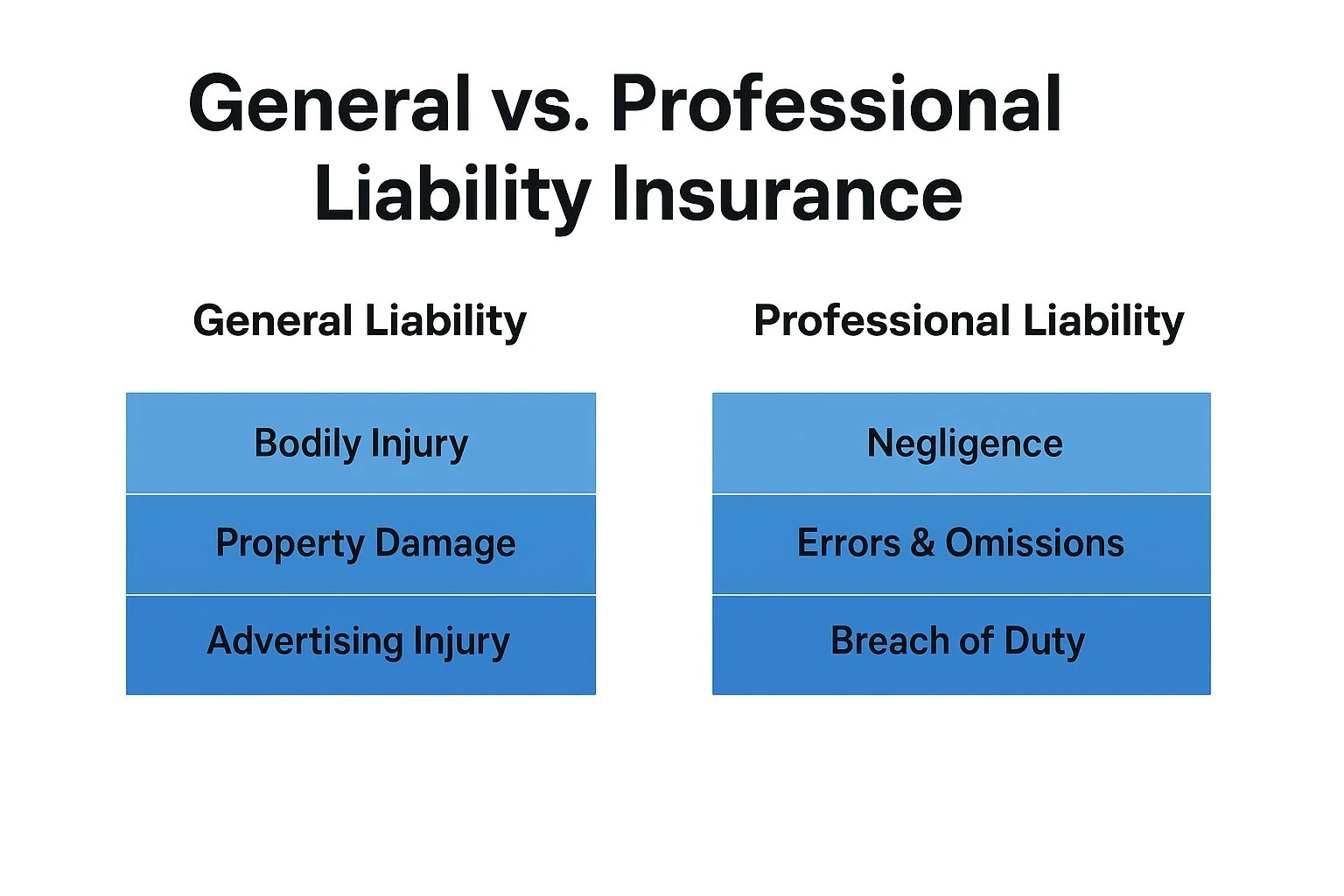
Introduction to Liability and Workers’ Compensation Insurance
Both general liability insurance and workers’ compensation insurance are essential components of risk management for businesses. Understanding these two types of insurance is crucial for business owners seeking to protect themselves, their employees, and their assets. Each type of insurance addresses specific risks, providing protection against various liabilities that could arise during the course of business operations.
General liability insurance is designed to protect businesses from claims involving bodily injury, property damage, and personal injury that may occur on their premises or through their operations. This type of insurance covers legal costs and settlements associated with lawsuits, ensuring that a business can operate without the financial burden of unforeseen accidents or incidents. Particularly for small to medium-sized businesses, having general liability insurance is vital as it safeguards against financial losses resulting from claims that could potentially cripple their operations.
On the other hand, workers’ comp insurance specifically protects employees who might suffer work-related injuries or illnesses. This insurance provides medical benefits and wage replacement for employees unable to work due to an injury sustained while on the job. It is a legal requirement in most states, ensuring employees receive adequate coverage in the event of an accident. Workers’ comp insurance not only helps employees recover but also protects employers from potential lawsuits related to workplace injuries.
In summary, while general liability insurance shields businesses from external claims, workers’ comp insurance is focused inward, offering protection in case employees face incidents at work. Understanding the distinctions between these two types of insurance is vital for business owners as they navigate their responsibilities and develop a comprehensive risk management strategy.
What is General Liability Insurance?
General liability insurance is an essential form of coverage designed to protect businesses from various risks that can accompany their operations. At its core, this type of insurance provides financial protection in the event of claims related to bodily injury, property damage, and personal injury that may occur during the course of business. Such claims can arise from accidents on company premises, damage caused by employees while delivering services, or allegations of slander and defamation, among others.
The significance of general liability insurance cannot be overstated, as it safeguards a business’s assets against potentially crippling financial repercussions. Without this insurance, a business may face significant out-of-pocket costs when it comes to legal fees, settlements, or judgments related to claims. This could result in substantial financial strain, potentially jeopardizing the viability of the business.
General liability insurance is particularly crucial for small businesses and independent contractors who may lack the financial resources to pay for unexpected claims. Companies in industries such as construction, hospitality, and retail are especially at risk due to the nature of their work, which often involves direct interaction with clients or the public. However, almost every type of business can benefit from having this form of protection in place, as accidents can happen in any setting.
Additionally, certain clients or contracts may require businesses to carry general liability insurance as a condition of work. This underscores the importance of having this coverage, not only for risk management but also for maintaining business relationships. In summary, general liability insurance serves as a critical safety net for businesses, providing them with the necessary protection to navigate unforeseen challenges while promoting overall stability and longevity.
What is Workers’ Compensation Insurance?
Workers’ compensation insurance, often referred to as workers’ comp insurance, is a crucial type of coverage designed to provide financial and medical benefits to employees who suffer job-related injuries or illnesses. The primary objective of this insurance is to ensure that injured workers receive appropriate medical treatment, recover from their injuries, and are compensated for lost wages during their recovery period. In many jurisdictions, employers are legally required to carry workers’ comp insurance to protect their employees and themselves from potential lawsuits related to workplace accidents.
This insurance covers a variety of incidents, including, but not limited to, slip and fall accidents, repetitive strain injuries, and exposure to hazardous materials. Essentially, it addresses any physical or mental health issues directly arising from work-related activities. If an employee is injured on the job, they may file a claim under their employer’s workers’ comp insurance policy, which, if approved, allows them to receive benefits without the need for litigation. This process not only helps employees manage their medical expenses, but it also provides them with wage loss benefits that can ease financial burdens during recovery.
Generally, most employers are mandated to carry workers’ compensation coverage, although specific requirements may vary depending on the state or country. Typically, businesses with a certain number of employees or those engaged in high-risk activities are most likely to be subject to these laws. By adhering to workers’ comp insurance regulations, employers protect their employees, facilitate safer workplaces, and mitigate the risk of extensive legal claims associated with workplace injuries. Overall, understanding workers’ compensation insurance is vital for both employers and employees to foster a safe and compliant work environment.
Key Differences Between General Liability and Workers’ Comp
The distinction between general liability insurance and workers’ compensation insurance is crucial for businesses to understand, as each serves its unique purpose in protecting a company from different types of risks. General liability insurance is primarily designed to protect businesses from claims regarding bodily injury, property damage, and personal injury that may occur in the course of business operations. In contrast, workers’ comp insurance focuses specifically on providing coverage for employees who sustain injuries or illnesses while performing their job duties.
One of the primary differences lies in the scope of coverage. General liability insurance encompasses third-party claims that arise from incidents that occur on the business premises or as a result of business operations. This may include accidents involving customers or other third parties, such as slip-and-fall incidents or damage to property caused by business activities. On the other hand, workers’ comp insurance protects employees by covering medical expenses, rehabilitation costs, and wage loss for an employee injured in the workplace.
Moreover, the risks addressed by each type of insurance vary significantly. General liability insurance protects against external claims, thereby securing a business’s financial stability from lawsuits filed by third parties. Workers’ comp, however, is an employer’s safeguard against employer lawsuits related to workplace injuries. This coverage often includes a ‘no-fault’ provision, meaning employees can receive benefits without needing to prove employer negligence.
Ultimately, the appropriate type of coverage depends on specific business needs. While general liability insurance is crucial for protecting against external risks, workers’ comp insurance is essential for ensuring the welfare of employees. Understanding these differences will help business owners decide the necessary protections for their operations and workforce, ensuring compliance with legal requirements and providing peace of mind.
Common Misconceptions About Insurance Types
Insurance coverage is a fundamental aspect of any business operation, yet numerous misconceptions persist regarding general liability and workers’ comp insurance. One prevalent belief is that general liability insurance can replace workers’ comp insurance. This misconception can lead to significant financial repercussions for businesses. While general liability insurance provides protection against claims of bodily injury, property damage, and personal injury to third parties, it does not cover employee injuries sustained in the workplace. Workers’ comp insurance is specifically designed to protect employees injured on the job, covering medical expenses and lost wages, which is not addressed by general liability policies.
Another misunderstanding is the notion that smaller businesses or startups do not need any form of insurance coverage. Many entrepreneurs are under the impression that their size exempts them from the need for both general liability and workers’ comp insurance. However, this belief could lead to severe financial risks, as even small enterprises can face lawsuits claiming property damage or bodily injury. Additionally, without workers’ comp insurance, a business could be held liable for an employee’s workplace injury, which can result in substantial legal and medical expenses. Coverage is essential, regardless of the size or nature of the business.
Moreover, some may believe that if they operate from home or conduct their business online, they are exempt from needing insurance. This is another misconception; businesses that operate remotely are still subject to risks that could lead to claims against them. Thus, it is crucial for all businesses, irrespective of their operational model, to understand their insurance needs. Recognizing the unique functions and benefits that general liability and workers’ comp insurance provide is indispensable for maintaining a secure and compliant business environment. Educating oneself about these essential insurances is vital for long-term success and protection.
Assessing Your Insurance Needs
Determining the right insurance for your business requires a thorough assessment of several factors. One of the primary considerations is the size of your business. The number of employees can directly influence your workers’ comp insurance requirements; for instance, larger businesses typically face more risks due to increased activity and employee interactions. By evaluating the total workforce, business owners can better understand their insurance needs and obligations.
Another critical aspect to consider is the nature of your operations. Different industries have varying levels of risk exposure, which can significantly affect insurance requirements. For businesses in high-risk sectors, such as construction or manufacturing, workers’ comp insurance becomes essential. These operations often involve physical labor that can lead to workplace injuries, thus highlighting the need for adequate coverage compared to those in lower-risk industries. This distinction is vital when navigating the general liability vs. workers’ comp insurance landscape.
The roles and responsibilities of your employees also play a significant part in assessing insurance needs. If your workforce includes roles that inherently involve greater physical risk or liability exposure, it may necessitate additional workers’ comp insurance beyond basic coverage. Evaluating job descriptions and the associated risks can lead to more tailored insurance solutions that adequately reflect your operational hazards.
Additionally, identifying potential risks is a proactive way to ensure that your business is protected. Conducting a risk assessment can help identify vulnerabilities within your operations that may lead to claims. For a comprehensive understanding of coverage options, consulting with an insurance agent is advisable. These professionals can provide insights into the nuances of general liability vs. workers’ comp insurance, ensuring you make informed decisions that align with your business risks and financial goals.
Cost Considerations for Both Insurance Types
Understanding the cost implications of general liability versus workers’ comp insurance is critical for businesses, as both insurance types comprise an essential part of overall financial planning. Insurance premiums for each policy are influenced by various factors, including industry risk, business size, and employee count. These elements contribute to the overall expense that companies must budget for to ensure compliance and protection.
When it comes to general liability insurance, businesses in higher-risk industries, such as construction or manufacturing, often face steeper premiums. Insurers assess the likelihood of accidents or claims arising from the specific work environment involved. Additionally, the size of the business plays a role in determining insurance costs; larger companies typically have higher premiums due to increased exposure and the number of clients they serve. On the other hand, smaller businesses might benefit from lower premiums, but should still ensure adequate coverage based on their unique situation.
Workers’ comp insurance similarly considers factors such as the industry sector and the total number of employees covered. Companies must note that industries with higher injury rates, such as healthcare or transportation, will likely incur more significant costs for workers’ comp insurance. Employee count is another critical factor; as the workforce grows, so does potential exposure to claims, necessitating higher premiums. It encourages businesses to implement robust safety protocols to minimize risks and potentially reduce costs over time.
In conclusion, careful assessment of the cost factors associated with general liability and workers’ comp insurance is essential for businesses to manage expenses effectively. As operational demands change, companies must revisit their insurance policies regularly to ensure they are adequately covered while remaining mindful of their budgets.
Legal Requirements and Compliance
Understanding the legal requirements for insurance is crucial for any business owner. In the United States, most states dictate that businesses must carry various types of insurance, including general liability and workers’ comp insurance. While general liability insurance protects businesses from third-party claims related to bodily injury, property damage, and advertising mishaps, workers’ comp insurance provides benefits to employees injured on the job. This distinction is fundamental when considering legal obligations.
Workers’ comp insurance is mandated by law in nearly every state, except for a few, such as Texas, where it is not required but recommended. In states where it is compulsory, businesses that employ a certain number of workers — usually three to five employees — must provide this type of insurance. Additionally, independent contractors may also be considered employees in certain contexts, further complicating compliance. The explicit purpose of this insurance is to ensure that injured workers receive necessary medical care and compensatory benefits, reducing the employer’s liability exposure in case of workplace injuries.
The ramifications for failing to comply with workers’ comp insurance mandates can be severe. Businesses may face substantial fines, and owners can be personally liable for any costs incurred by injured employees. Moreover, in some jurisdictions, failing to maintain required insurance coverage could lead to the suspension of the business license and potential legal actions. On the other hand, possessing both forms of insurance not only ensures compliance but also builds credibility with customers and helps foster a safer working environment.
In summary, understanding the regulatory landscape surrounding general liability versus workers’ comp insurance is essential for business compliance. Acquiring the appropriate coverage protects not only your employees but also the viability of your business. Failure to adhere to these legal standards can have significant financial repercussions, making it imperative to stay informed and compliant.
Finding the Right Provider: Tips and Recommendations
When searching for an insurance provider, particularly for general liability and workers’ comp insurance, it is crucial to approach the selection process with careful consideration. The main objective is to choose a provider that not only meets your specific needs but also instills confidence through its reliability and reputation.
First, assessing the provider’s reputation is paramount. Research online reviews, testimonials, and ratings from previous clients to gain insight into their experiences. Additionally, check for any complaints lodged against the insurer with state insurance departments or business organizations, as this can provide a clearer picture of reliability and service quality.
Next, consider the coverage options that each provider offers. Compare policies to see how they align with your business’s requirements. Some providers may offer specialized coverage tailored to your industry, which can be beneficial in mitigating risks that could affect your operations. Understanding the differences between general liability and workers’ comp insurance is essential in this context, as each addresses distinct aspects of liability and employee welfare.
Customer service is another critical factor to evaluate. A responsive and knowledgeable customer service team can greatly enhance your experience, especially during claims processing. Ensure you can easily reach out to your provider for queries or concerns and assess their willingness to assist when difficulties arise.
Pricing is also an important consideration, but it should not be the sole determining factor. While affordability is essential, the cheapest option may not always provide the best value. Seek multiple quotes from different insurers and carefully compare the offered policies’ coverage features to ensure that you are getting comprehensive protection without compromising on quality.
In conclusion, finding the right provider for your general liability versus workers’ comp insurance requires diligence and thorough research. By evaluating reputation, coverage options, customer service, and pricing, you can make a well-informed decision that best serves your business’s needs.
Frequently Asked Questions (FAQs)
1. What is the difference between General Liability and Workers’ Comp Insurance?
- General Liability Insurance covers your business in case of third-party claims for property damage, bodily injury, or advertising mistakes. It protects against lawsuits that arise from accidents or damages that occur at your business or as a result of your business operations.
- Workers’ Compensation Insurance covers your employees if they are injured or become ill due to their work. It provides medical benefits, wage replacement, and rehabilitation for employees injured on the job and protects your business from lawsuits related to workplace injuries.
2. Do I need both General Liability and Workers’ Comp Insurance for my business?
Yes, it’s highly recommended to have both types of insurance. While General Liability protects your business from claims made by third parties, Workers’ Comp protects your employees and ensures you’re compliant with state laws. Some states require workers’ comp insurance if you have employees, and having both will provide comprehensive protection for your business.
3. Is Workers’ Compensation insurance required by law?
Yes, in most states, if you have employees, you are legally required to carry workers’ compensation insurance. The requirements vary by state, but typically, businesses with employees must provide this coverage to ensure workers are compensated for work-related injuries or illnesses.
4. Does General Liability insurance cover employee injuries?
No, General Liability insurance does not cover injuries to employees. It only covers third-party claims, such as injuries to customers or other individuals who are not employed by the business. For employee injuries, you will need Workers’ Comp Insurance.
5. What does General Liability Insurance cover?
General Liability insurance typically covers:
- Bodily injury or property damage caused by your business operations
- Medical expenses for injuries that occur on your premises
- Damage to property caused by your business activities
- Legal defense costs and settlements in case of a lawsuit
6. What does Workers’ Compensation Insurance cover?
Workers’ Compensation insurance covers:
- Medical expenses for work-related injuries or illnesses
- Lost wages if an employee is unable to work due to an injury
- Rehabilitation and therapy costs for employees recovering from an injury
- Death benefits to employees’ families if a work-related injury or illness results in death
7. Will Workers’ Compensation Insurance cover injuries that happen outside of work?
No, Workers’ Comp only covers injuries that occur during the course of employment or while performing job-related duties. Injuries that occur outside of work or during personal activities are not covered.
8. How much does General Liability Insurance cost?
The cost of General Liability insurance depends on several factors, including the size of your business, the industry you are in, and the level of coverage you need. On average, small businesses can expect to pay anywhere from $400 to $1,500 annually.
9. How much does Workers’ Compensation Insurance cost?
The cost of Workers’ Compensation insurance varies depending on the state, your industry, the number of employees, and the risks involved in your business operations. Rates can range from a few hundred to several thousand dollars per year. A high-risk business will generally pay more than a low-risk business.
10. Can I combine General Liability and Workers’ Compensation Insurance into one policy?
Some insurance providers offer package policies that combine General Liability and Workers’ Comp Insurance into a single plan, known as a Business Owner’s Policy (BOP). These packages are convenient and often come with discounts, but you should verify the coverage levels to ensure both your general and workers’ comp needs are fully met.
11. Does General Liability Insurance cover legal fees?
Yes, General Liability Insurance typically covers the legal fees associated with defending your business in a lawsuit. This includes the cost of hiring an attorney, court fees, and any settlement amounts, up to the limits of the policy.
12. Can Workers’ Compensation Insurance help if an employee is permanently disabled?
Yes, Workers’ Compensation insurance provides long-term disability benefits if an employee is permanently disabled due to a work-related injury or illness. These benefits can include wage replacement and coverage for medical treatments needed for ongoing care.
13. Will my business be penalized for not having Workers’ Comp Insurance?
Yes, if you are required by law to carry Workers’ Comp insurance and fail to do so, you may face penalties, fines, or legal action. In some states, this can also lead to lawsuits from injured employees, so it’s crucial to comply with state regulations.
Read More:
- The top 10 insurance companies in the USA by market share
- New Jersey Short-Term Disability Insurance: How It Works and What It Covers
- How to Add a Baby to Your Insurance: A Step-by-Step Guide
- What Is an Umbrella Insurance Policy and How Can It Benefit You?
- What is the Average Cost of Motorcycle Insurance in the United States