Introduction to Condo Association Insurance
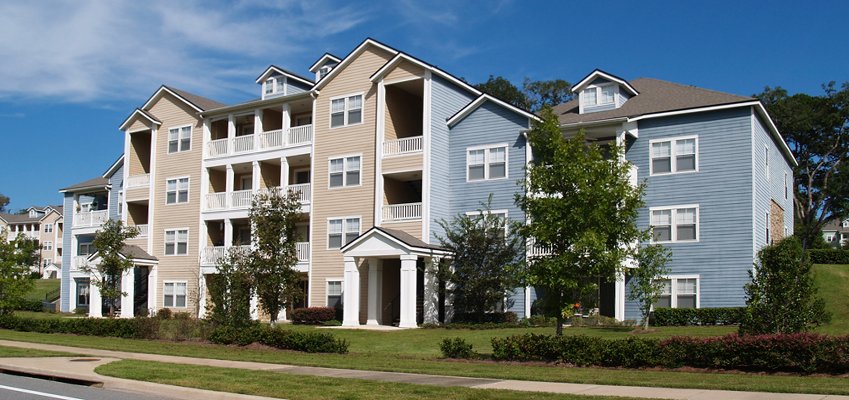
Condo association insurance, also known as master insurance, is a crucial component of property management within condominium communities. This type of insurance is designed to protect the collective interests of the condominium owners and safeguard the physical structure of the buildings, along with common areas like pools, lobbies, and hallways. Understanding this policy is vital for homeowners who reside within a condo community, as it directly affects their personal insurance needs.
The importance of condo association insurance cannot be overstated. It acts as a financial safeguard for the association and its members against various risks, including property damage, liability claims, and other unforeseen events that could potentially disrupt the community’s operations or lead to costly damages. Generally, a condo association insurance policy covers the exterior of the building, common areas, and other shared amenities, ensuring that the shared investment of all homeowners is protected.
Homeowners should take special note of how condo association insurance interacts with their individual condo insurance policies. While the condo association’s coverage primarily addresses shared property and common areas, individual homeowners are responsible for insuring their personal belongings and sometimes the interior of their units. This creates a crucial distinction, emphasizing the need for members to fully understand the specifics of what does a condo association insurance policy cover, and how it integrates with their personal insurance coverage.
Ultimately, being well-informed about condo association insurance not only prepares homeowners for potential risks but also encourages active participation in community decisions regarding insurance policies, further ensuring the long-term financial health and stability of the condo association.
Types of Coverage Offered
A typical condo association insurance policy often encompasses various types of coverage to safeguard both the association and its members. Understanding these coverage options is crucial for residents and board members alike, ensuring financial protection against unforeseen events.
First and foremost, property coverage is a significant component. This type of insurance protects the building and common areas from damages caused by incidents such as fire, storms, or vandalism. It typically covers the costs associated with repairing or replacing the affected structures, ensuring the condo association can maintain its property and assets without financial strain.
Next, liability coverage is essential for protecting the association against legal claims. This may arise if a visitor to the property is injured or if damages are caused by the association’s negligence. Liability coverage can help cover legal expenses and settlements, safeguarding the financial interests of the condo association and its members.
Loss assessment coverage is another crucial aspect of a condo association insurance policy. This coverage comes into play when costs arise that exceed the association’s regular insurance limits, such as damage to the property that requires a substantial financial contribution from all unit owners. Loss assessment coverage provides protection by covering each unit owner’s share, mitigating the risk of financial burden on individual members in times of crisis.
Other coverages may also be included, such as directors and officers liability insurance, which protects the board members against wrongful acts and mismanagement claims. It’s beneficial for all condo owners to familiarize themselves with these types of coverage, ensuring robust protection against potential risks. Understanding what does a condo association insurance policy cover not only helps in managing the association effectively but also fosters a sense of security among residents.
Property Coverage Explained
Property coverage within a condo association insurance policy serves as a critical framework for protecting shared assets and communal areas within the condominium complex. This type of insurance policy typically covers a range of elements, ensuring that both the association and individual unit owners are safeguarded against potential risks.
One of the primary components of property coverage is the protection of common areas. These are spaces that all residents in the condominium can access and use, such as hallways, lobbies, pools, fitness centers, and landscaping. In the event of damage caused by incidents such as fire, vandalism, or natural disaster, the insurance policy can help cover repair or replacement costs. This aids in maintaining the value and appeal of the community as a whole.
Furthermore, building structures are predominantly covered by condo association insurance. This includes the exterior walls of the condominium, roofs, and foundational components. If damage were to occur due to unforeseen circumstances, the policy ensures that the condominium’s structural integrity is restored, which is essential for both safety and continued habitation.
Another significant aspect of property coverage is the inclusion of fixtures, which may consist of elevators, heating and cooling systems, and other pertinent installations essential for day-to-day operations within the building. These fixtures often require substantial investment for repairs or replacements, making it critical that the condo association insurance policy addresses these elements adequately.
In essence, understanding what does a condo association insurance policy cover regarding property, including common areas, building structures, and fixtures, is vital for residents and management alike. It fosters informed decisions, ensuring that the community’s assets are well-protected and maintained for all members of the condo association.
Liability Coverage in Condo Associations
Liability coverage is a critical component of what a condo association insurance policy covers. This type of coverage is designed to protect the condo association from financial losses arising from incidents or accidents that occur on the property. Such incidents may include injuries to residents, guests, or vendors while on the premises. For instance, if a visitor slips and falls in a common area, liability insurance would typically cover medical expenses and legal fees, should the injured party decide to file a lawsuit.
Furthermore, liability coverage extends to various aspects of the property. It not only addresses accidents that occur in common areas but also includes issues related to property damage caused by the association itself. For example, if a water leak from the association‘s plumbing system damages a unit, the liability coverage would provide financial protection for the association against claims from affected unit owners.
The importance of this coverage cannot be overstated. It not only safeguards the financial health of the condo association but also protects individual unit owners from potential out-of-pocket expenses due to liability claims. Without adequate liability coverage, the association may struggle to cover legal costs and damages, resulting in increased assessments for unit owners or, in worst cases, jeopardizing the association’s viability.
In addition to incidents on the premises, it can also protect against wrongful eviction claims or discrimination lawsuits, providing a broad safety net for both the condominium association and its members. Therefore, understanding what a condo association insurance policy covers—especially concerning liability—is imperative for ensuring comprehensive protection and peace of mind for the community as a whole.
Loss Assessment Coverage and Its Importance
Loss assessment coverage refers to a type of insurance designed to protect individual condominium owners from financial burdens that may arise when the costs of a loss exceed the coverage limits of the condo association’s insurance policy. As condominium communities often share common areas and assets, the liability associated with these communal resources can pose significant risks to all members. In essence, this coverage helps mitigate the risk of shared financial responsibilities that could potentially put individual owners in a difficult position.
When a covered event occurs, such as a natural disaster or significant damage to common areas, the association may have to file a claim against its insurance policy. However, if the total damages exceed the limits of that policy, the remaining costs may be assessed to each unit owner based on their ownership interest. This is where loss assessment coverage becomes essential. It provides an additional layer of protection for condominium owners against unexpected financial liability that can arise from shared assessments.
The importance of understanding what does a condo association insurance policy cover cannot be overstated. It is crucial for individual members to familiarize themselves with the potential costs that could stem from shared liabilities. Loss assessment coverage typically comes into play when expenses associated with repairs, legal claims, or safety upgrades surpass what the association’s insurance can cover. Without this coverage, individual owners may find themselves unexpectedly responsible for substantial costs, which can significantly impact their finances.
In summary, loss assessment coverage is a vital component of risk management for condo owners. It allows them to safeguard their financial interests against the possibility of extraordinary costs that could result from collective decisions made by their condo association. Understanding this aspect of insurance ensures that all members are adequately protected in their investments, fostering a sense of security within the community.
Excluded Risks and Limitations
When purchasing a condo association insurance policy, it is essential for homeowners to understand the exclusions and limitations that commonly accompany these policies. Knowledge of what does a condo association insurance policy cover can improve decision-making and risk management for individual unit owners.
First and foremost, most condo association insurance policies do not extend coverage for personal property. This typically includes items such as furniture, electronics, and personal belongings within each unit. Homeowners are encouraged to secure their own renters’ insurance or personal property coverage to ensure their possessions are protected adequately.
Another common exclusion found in condo association insurance policies pertains to natural disasters. While the master policy may cover specific hazards like fire or wind damage, events such as earthquakes and floods usually require separate coverage. Homeowners should assess the geographic risks posed to their property and consider additional policies as necessary.
Liability issues also fall under the scope of exclusions. While the condo association insurance policy may cover general liability for common areas, it typically does not include personal liability for incidents occurring inside individual units. Homeowners are strongly advised to invest in personal liability coverage to provide additional protection against potential accidents or legal claims.
Furthermore, homeowner negligence is often not covered under these insurance policies. If damage results from lack of maintenance or improper conduct, the costs associated with repairs may fall entirely on the homeowner. Understanding these nuances can prevent unexpected financial burdens in the event of damage.
In conclusion, familiarizing oneself with the exclusions and limitations of a condo association insurance policy is vital for homeowners. Knowing their responsibility and ensuring adequate coverage can contribute to better financial and risk management within a condominium community.
How Condo Association Insurance Affects Individual Homeowners
The insurance policy held by a condo association is crucial not only for the collective protection of the building and its common areas but also significantly impacts individual homeowners. Homeowners within a condominium must understand what does a condo association insurance policy cover, as it will influence their own insurance needs and potential claims.
Typically, a condo association insurance policy covers the physical structure of the building and shared spaces, including amenities like pools and fitness centers. This coverage often falls under a master insurance policy, which protects against risks such as fire, storm damage, and liability claims arising from common areas. However, individual homeowners must be aware that this policy usually does not cover personal belongings or improvements made within their units. As a result, condominium owners are encouraged to maintain their own homeowner’s insurance policies to cover these aspects.
Individual policies, often referred to as HO-6 policies, usually provide coverage for personal property, personal liability, and betterments or upgrades made to the unit. These policies are essential because the association’s policy may have limitations, leaving gaps in coverage. It is also important to verify the deductible on the condo association’s insurance policy, as this could impact a homeowner’s financial responsibilities if damage occurs. For instance, if a plumbing failure damages a unit, the homeowner’s policy may need to cover the initial costs before the association’s insurance comes into play, depending on the extent of coverage.
Furthermore, any upgrades homeowners make can increase the overall risk, leading to a need for higher personal coverage. Consequently, understanding what does a condo association insurance policy cover is vital for homeowners to ensure their financial security and comprehensive coverage. Individual assessments and conversations with insurance agents can aid in crafting policies that suitably complement the master coverage and protect personal investments.
Choosing the Right Condo Association Insurance Policy
Selecting the appropriate condo association insurance policy is imperative for managing risk and securing the financial well-being of the community. There are several factors that associations should consider to ensure they invest in the ideal policy. First and foremost, it is crucial to assess the specific needs of the condominium. Understanding the unique characteristics of the property, such as its age, structure, and location, will assist in determining the necessary coverage levels.
Next, it is essential to evaluate the types of coverage available under various policies. Most condo association insurance policies typically cover property damage, liability, and loss assessment, among other aspects. An association might also want to consider additional coverage for flooding, earthquakes, or other natural disasters, depending on the geographical location and inherent risks. Review the terms and limits of each coverage type to ensure they align with the needs of the property.
Furthermore, engaging in a thorough comparison of different insurance providers is vital. Obtain multiple quotes from various insurers and analyze their offerings, including premiums, deductibles, and coverage limits. Online platforms and comparison tools can simplify this process by allowing associations to easily examine the differences between policies. Additionally, it may be beneficial to seek recommendations from other condo associations or industry professionals who have experienced reliable service from particular providers.
Lastly, it is advisable to consult with an insurance agent or broker who specializes in condo association insurance. They can provide tailored advice based on the unique circumstances of the condominium, helping the association navigate coverage options more effectively. By thoroughly analyzing coverage levels, comparing providers, and seeking professional guidance, condo associations can find a suitable insurance policy that protects their community’s interests.
Conclusion
In conclusion, understanding what does a condo association insurance policy cover is essential for both the condo association and individual homeowners. This type of insurance generally provides protection against damage to the common areas and liability claims that may arise from incidents involving those shared spaces. It typically includes coverage for hazards such as fire, vandalism, and certain natural disasters, ensuring that the financial responsibilities are distributed fairly among unit owners.
For individual homeowners, grasping the nuances of the condo association insurance policy is equally important, as it can significantly influence personal insurance needs. Homeowners often need to purchase additional coverage to protect their personal property or specific improvements made to their unit since these may not be covered under the association’s policy. This understanding helps to prevent potential financial difficulties arising from unexpected events.
Moreover, by being aware of the scope of a condo association insurance policy, homeowners can engage more effectively with their respective associations, ensuring that policy gaps are identified and remedied. Ultimately, comprehensive knowledge of what condo association insurance encompasses bolsters the financial security of both the association and its members, fostering a more cooperative living environment.
FAQ: What Does a Condo Association Insurance Policy Actually Cover?
1. What is a condo association insurance policy?
A condo association insurance policy, often called a master policy, is coverage purchased by the homeowners association (HOA) to protect the building structure, shared spaces, and liability for the community.
2. What does a condo association insurance policy typically cover?
Most policies cover:
- The building’s exterior structure (roof, walls, foundation)
- Common areas (lobbies, hallways, elevators, pools, gyms)
- Liability protection for accidents occurring in shared spaces
- Sometimes limited coverage for fixtures inside individual units (depending on policy type)
3. Does the policy cover the inside of my condo unit?
It depends on the type of master policy:
- Bare walls coverage: Only covers the structure, not interior items
- Single entity coverage: Covers original fixtures like cabinets, flooring, and plumbing
- All-in (all-inclusive) coverage: May include upgrades and improvements inside units
Unit owners usually still need their own insurance (HO-6 policy).
4. What are common areas in a condo association?
Common areas include shared spaces such as hallways, stairwells, elevators, clubhouses, parking lots, and recreational facilities like pools or fitness centers.
5. Does condo association insurance cover personal belongings?
No. Personal property inside your unit—such as furniture, electronics, and clothing—is not covered. You need a separate individual condo insurance policy for that.
6. Is liability coverage included in the policy?
Yes. Condo association insurance typically includes liability coverage if someone is injured in a common area or if the association is found responsible for property damage or bodily injury.
7. Are natural disasters covered?
Coverage depends on the policy:
- Standard policies often cover events like fire, storms, or vandalism
- Floods and earthquakes are usually excluded and require separate policies
Always review the policy details to understand specific inclusions and exclusions.
8. Does the policy cover repairs after damage?
Yes, but only for covered areas and events. Repairs to common areas and structural components are generally included, subject to deductibles and policy limits.
9. What is not covered by a condo association policy?
Typically excluded:
- Personal belongings
- Interior improvements (in some policy types)
- Damage caused by floods or earthquakes (unless separately insured)
- Negligence or intentional damage
10. Do I still need my own condo insurance policy?
Yes. Individual unit owners should have an HO-6 policy to cover personal property, interior structures (if not covered by the master policy), liability, and additional living expenses.
11. How can I find out what my association policy covers?
Request a copy of the master policy or the “insurance summary” from your HOA. Reviewing the CC&Rs (Covenants, Conditions, and Restrictions) can also help clarify responsibilities.
12. What happens if damage exceeds the association policy limits?
If damages exceed policy limits, unit owners may be responsible for a portion of the costs through special assessments. Having personal loss assessment coverage can help protect against this risk.
Read More:
- Understanding Florida Small Business Insurance: Coverage Options Explained
- Find the Top 10 Car Insurance Agents in Miami, Florida
- How Much Is General Liability Insurance for a Small Business in Ohio? A Detailed Guide
- Can You Buy Travel Insurance After Booking a Flight? How to Protect Your Trip
- Are Health Care Insurance Premiums Tax Deductible in the United States?