
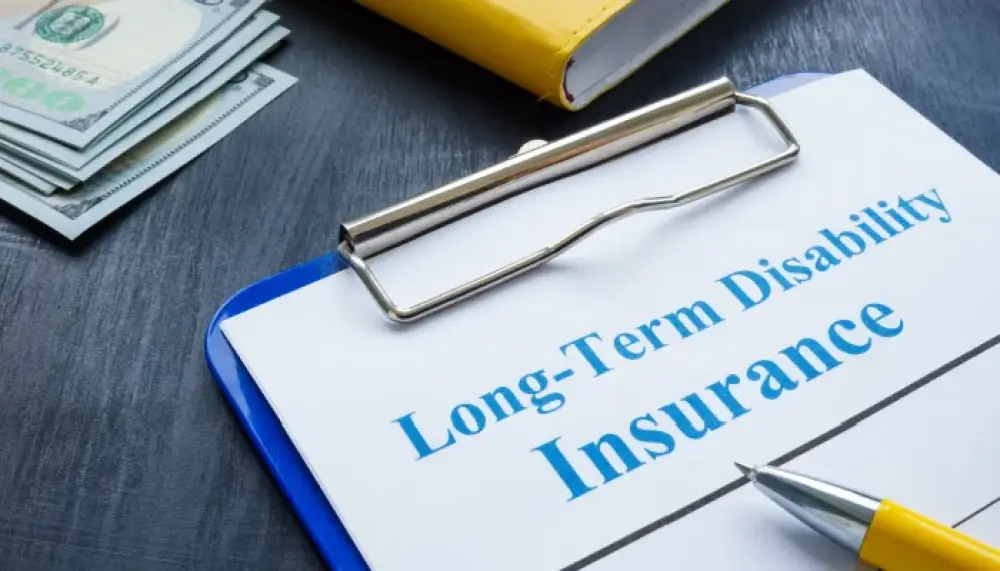
Introduction to Long-Term Disability
Long-term disability (LTD) insurance serves as a vital financial safety net for individuals unable to work due to prolonged medical conditions. In Ohio, LTD refers to a situation where an individual is unable to carry out their job duties for an extended period—typically exceeding six months—due to a physical or mental impairment. The definition of long-term disability can vary, but generally, it is characterized by the inability to perform the essential functions of one’s occupation or any other occupation for which one is reasonably suited by training, education, or experience.
Eligibility for long-term disability coverage often hinges on several factors, including the nature of the disability, the terms of the insurance policy, and the applicant’s employment status. In essence, not all disabilities automatically qualify for LTD insurance benefits; the eligibility criteria may require specific medical documentation evidencing the ongoing health condition. Common examples of qualifying disabilities under Ohio law include severe injuries, chronic illness, mental health disorders, and diseases that significantly impair daily living and work capabilities.
Securing long-term disability insurance carries considerable importance, as it provides income protection during times when individuals cannot earn a paycheck due to their medical conditions. Not only does this insurance alleviate financial burdens, but it also facilitates access to necessary medical care, ensuring that policyholders can continue receiving treatment. Understanding the associated processes, particularly regarding who pays health insurance while on long-term disability, is essential for Ohio residents navigating these challenges. As one seeks to understand the implications of LTD insurance, it becomes evident that maintaining health insurance coverage during such periods is crucial for safeguarding overall well-being and financial health.
The Basics of Health Insurance
Health insurance is a crucial component of healthcare accessibility, especially for individuals facing long-term disability. Understanding how health insurance functions is essential for anyone examining their options during such challenging times. Generally, health insurance serves to cover medical expenses incurred from various health services, which can include hospital visits, outpatient care, and essential medications.
There are several types of health insurance plans available, each tailored to meet different needs. For instance, employer-sponsored plans, government programs like Medicare and Medicaid, and private insurance are common types. In the context of long-term disability in Ohio, it is vital to ascertain who pays health insurance while on long-term disability. Typically, individuals may find that their employer continues to subsidize their health insurance premium for a certain period during their disability leave.
Moreover, understanding the terms of one’s health insurance plan is key. Some plans may offer full benefits during the disability period, while others may require co-payments or adjustments based on the individual’s status. Furthermore, having health insurance while on disability can significantly reduce out-of-pocket expenses related to necessary medical treatments. It can also provide peace of mind as you navigate the complexities of long-term health challenges.
In conclusion, the significance of having health insurance during long-term disability cannot be overstated. It ensures continuous access to healthcare services, alleviating the financial burden associated with medical needs. Therefore, individuals should engage with their HR department or insurance provider to clarify specifics regarding their coverage options and rights during this period of disability.
Health Insurance Coverage During Disability
When an individual transitions to long-term disability in Ohio, understanding the dynamics of health insurance coverage is imperative. One of the first questions that may arise is: who pays health insurance while on long-term disability? This can vary depending on the employer’s policies, the structure of the health insurance plan, and other factors impacting the individual’s specific circumstances.
Typically, if the health insurance plan is employer-sponsored, the employer may continue to cover premiums for a specified period during the long-term disability. This continuation is often stipulated under the terms of the Employee Retirement Income Security Act (ERISA) or the Family and Medical Leave Act (FMLA). However, it is crucial to confirm directly with the HR department regarding the specifics applicable to the individual’s situation.
In situations where employer coverage is maintained, employees might have to manage out-of-pocket costs, such as co-pays and deductibles, unless their policy allows for waivers during disability leave. Conversely, if an employee’s coverage ceases, they have the option to explore other health insurance routes, such as enrolling in a COBRA plan. COBRA permits former employees to retain their employer’s health insurance plan for a limited time, bearing the full premium costs.
Additionally, individuals should be aware of the possibility of qualifying for state or federal health insurance programs, depending on their financial situation and disability status. This can significantly alleviate expenses and ensure continued access to necessary healthcare services.
Ultimately, it is essential to review the specific terms of the health insurance policy in question and communicate with insurance providers. By understanding who pays health insurance while on long-term disability in Ohio, individuals can navigate the complexities of health insurance coverage during their disability period more effectively.
The Role of Employers in Health Insurance During Disability
When an employee is placed on long-term disability, understanding the role of employers in relation to health insurance is essential. Employers typically provide health insurance benefits to their employees as part of their overall compensation package. However, the continuation of these benefits during a period of long-term disability can vary significantly based on the employer’s policies and the specifics of the insurance plan.
In most cases, if an employee qualifies for long-term disability as defined by their employer’s insurance policy, the employer is responsible for maintaining health insurance coverage. This means that employees may not lose their health insurance immediately after they go on disability leave. Instead, the employer generally continues to contribute to the health insurance premiums as long as the employee meets the necessary requirements outlined in the policy.
Employers in Ohio, like in other states, may have specific obligations under the Family and Medical Leave Act (FMLA) or other related legislation concerning how health insurance is managed during periods of disability. Under FMLA, eligible employees can take up to 12 weeks of unpaid leave while maintaining their health insurance benefits. Employers are required to restore these benefits when the employee returns to work, assuming they have fulfilled the required responsibilities.
It is important for employees on long-term disability to communicate with their human resources department for clarity regarding their health insurance coverage. This includes understanding whether the employer will continue to pay full premiums, if there are any cost-sharing arrangements, or if there are stipulations that could alter their coverage.
The implications of these provisions can be significant for an employee’s overall wellbeing, as maintaining health insurance during long-term disability is critical for managing health care costs. Hence, the employer’s role is a crucial component of how health insurance is handled throughout this period.
State and Federal Laws Impacting Health Insurance
Health insurance during long-term disability is influenced by both state and federal regulations, significantly in Ohio. Understanding these laws can help individuals navigate their options and obligations regarding health coverage while on long-term disability. Two pivotal regulations come into play: the Family and Medical Leave Act (FMLA) and the Consolidated Omnibus Budget Reconciliation Act (COBRA).
The Family and Medical Leave Act, enacted in 1993, provides eligible employees with the right to take unpaid leave for specific family and medical reasons, including serious health conditions. During the FMLA leave, employees are entitled to continue their group health insurance under the same terms as if they had not taken leave. This means that the employer typically maintains the health insurance coverage, and employees must continue to pay their share of premiums. It is crucial for individuals on long-term disability to understand their rights under FMLA, as it can help protect their health insurance coverage during the initial phase of their disability.
On the other hand, if an employee’s long-term disability extends beyond FMLA leave or they are not eligible for FMLA, COBRA may come into effect. COBRA allows employees to continue their health insurance coverage for a limited period, typically up to 18 months, after employment ends or after a reduction in work hours that qualifies them for coverage loss. Under COBRA, individuals are responsible for paying the entire premium, including the portion previously covered by the employer, which can be a significant cost to manage during a long-term disability.
In Ohio, state laws may supplement federal rules and offer additional protections; however, they generally align with the overarching principles set by FMLA and COBRA. Therefore, it is imperative for individuals facing long-term disability in Ohio to familiarize themselves with these laws and seek the necessary assistance to maintain their health insurance coverage effectively. This understanding can ensure that beneficiaries know who pays health insurance while on long-term disability and how to secure their health benefits during such challenging times.
Who Pays for Health Insurance During Long-Term Disability?
When an individual finds themselves on long-term disability, understanding the financial responsibilities related to health insurance is essential. A significant question arises: who pays health insurance while on long-term disability? The answer can vary depending on several factors including the specific disability policy, employer agreements, and state regulations such as those found in Ohio.
Typically, an employer-sponsored health insurance plan may provide coverage during long-term disability leaves. In such cases, many employers opt to continue paying for the health insurance premiums for a predetermined period, which can be a pivotal support for employees transitioning to this stage of their life. This temporary continuation is often defined in the employer’s policy, and it is advisable for individuals to review their plan to confirm their coverage status during their absence.
However, employers are not legally required to maintain health insurance during the duration of long-term disability unless stipulated by specific agreements. Consequently, recipients should also verify the terms outlined in their employment contract or their long-term disability insurance policy, as some may require the individual to pay a portion or all of the health insurance premiums after a certain timeframe.
In situations where the employer does not cover health insurance payments, individuals may need to explore other options. This could involve using personal savings, seeking assistance from family, or qualifying for state-sponsored programs that can alleviate some of the financial burdens associated with health insurance costs during disability.
In Ohio, regulations and provisions may influence these responsibilities further; therefore, individuals should consider consulting with an insurance expert or legal advisor who understands the implications of their disability coverage to ensure informed decisions regarding their health insurance obligations.
Financial Assistance Programs for Disabled Individuals
In Ohio, individuals who are on long-term disability may face significant financial challenges, especially regarding health insurance costs. Various financial assistance programs are established to support disabled individuals in maintaining their health coverage. Understanding who pays health insurance while on long-term disability is vital for those navigating these circumstances.
The Ohio Department of Job and Family Services offers several programs to assist individuals with disabilities. One notable program is the Medicaid program, which provides health coverage to low-income individuals. Disabled residents may qualify for Medicaid based on their income level and disability status, thereby relieving some financial burdens associated with health insurance.
In addition to state-sponsored programs, various non-profit organizations exist to help disabled individuals in Ohio. Organizations like the United Way and local community health initiatives often provide resources and assistance for health insurance and medical expenses. These non-profits can offer guidance on locating affordable healthcare options, including potential subsidies that may be available.
Moreover, the Social Security Administration (SSA) provides benefits for individuals with long-term disabilities through Social Security Disability Insurance (SSDI) and Supplemental Security Income (SSI). In some instances, these benefits may also cover health insurance premiums, relieving individuals from the pressure of out-of-pocket healthcare costs. Understanding who pays health insurance while on long-term disability in Ohio may hinge on whether one qualifies for these federal assistance programs.
Lastly, advocacy groups play a crucial role in educating individuals about their rights and available resources. They provide crucial information on how to apply for various assistance programs and navigate the complexities of health insurance during long-term disability. Individuals seeking assistance are encouraged to reach out to these organizations as part of their financial planning process.
Considerations for Managing Health Insurance on Disability
Managing health insurance during long-term disability is crucial for ensuring that individuals maintain access to necessary healthcare services. One of the first considerations for those on long-term disability in Ohio is understanding who pays health insurance while on long-term disability. Typically, this responsibility may fall to the employer, depending on the specific terms of the disability policy. It is essential for beneficiaries to review their employer’s policy regarding health insurance coverage throughout the duration of their disability.
Individuals should also assess their current health needs when choosing a health plan. Often, long-term disability can lead to increased medical expenses, making it vital to select a plan that offers comprehensive coverage for necessary treatments and medications. This may include looking for health insurance that covers specialist visits, physical therapies, and any required medications, which are often critical for managing ongoing health conditions.
Moreover, understanding the details of the coverage is key. Individuals should familiarize themselves with their plan’s benefits, including copayment requirements, deductibles, and the extent of coverage for specific medical services. It is advisable to contact the health insurance provider directly to clarify any uncertainties about coverage terms. Furthermore, verifying whether the preferred healthcare providers are included in the insurance network can prevent unexpected out-of-pocket expenses.
In addition to evaluating existing coverage, individuals may explore alternative insurance options, such as state-sponsored health insurance programs that may provide additional support or benefits tailored to those on long-term disability in Ohio. By being proactive and thoroughly investigating various health insurance options, individuals can better manage their health care needs effectively while navigating the complexities associated with long-term disability.
Conclusion and Resources for Further Support
In conclusion, navigating health insurance during long-term disability in Ohio can be a complex process, yet understanding the essential components can significantly alleviate stress for those affected. It is important for individuals to realize that their health insurance options and responsibilities can vary based on employment status, the type of policy held, and the specific conditions of their long-term disability. Typically, employers may continue to cover health insurance premiums while a person is on long-term disability, but this is heavily dependent on the terms of the employer’s policy. Therefore, it is vital to review these terms thoroughly and maintain open communication with human resources.
Moreover, the continuation of health insurance coverage under COBRA might also be available for eligible individuals who face the unexpected challenge of a long-term disability. Understanding these provisions can provide peace of mind as it may assist in managing out-of-pocket medical costs during a fragile time.
To further support individuals seeking information on who pays health insurance while on long-term disability in Ohio, several resources are available. The Ohio Department of Insurance offers guidance and can assist in clarifying any questions related to insurance policies and benefits. Additionally, local advocacy groups and legal aid organizations often provide free resources and consulting services aimed at individuals navigating the intersection of health insurance and long-term disability.
For comprehensive understanding, reaching out to professional associations or local healthcare providers might also yield specific information tailored to individual circumstances. Overall, it is crucial to explore various options and stay informed about rights and obligations regarding health insurance while on long-term disability. Utilizing these resources can help individuals secure the necessary support they need.
Frequently Asked Questions
1. What happens to my health insurance if I go on long-term disability in Ohio?
It depends on your employer’s health plan and employment status. Some employers continue coverage for a period, while others may allow you to continue coverage through COBRA or another available option.
2. Can I keep my employer-sponsored health insurance while receiving long-term disability benefits?
Possibly. Receiving long-term disability benefits does not automatically mean you lose health insurance, but your eligibility depends on the terms of your employer’s plan and your employment status. Check your benefits documents and contact your plan administrator.
3. What is COBRA, and can it help during long-term disability?
COBRA may allow eligible individuals and their families to temporarily continue the same employer-sponsored health coverage after a qualifying loss of coverage. It generally applies to qualifying plans sponsored by private employers with 20 or more employees and to many state and local government plans.
4. How long can COBRA health insurance last?
For a termination of employment or reduction in hours, COBRA generally provides up to 18 months of continuation coverage. In certain disability-related situations, an additional 11-month extension may be available, potentially bringing coverage to 29 months.
5. Who pays for health insurance under COBRA?
In most cases, you pay the full premium, including the amount previously paid by your employer, plus a permitted administrative charge. The maximum charge is generally 102% of the plan’s cost, with different rules that may apply during a disability extension.
6. Are there alternatives to COBRA in Ohio?
Yes. Depending on your circumstances, alternatives may include coverage through a spouse’s employer plan, a Health Insurance Marketplace plan, Medicaid, Medicare, or other available coverage. Eligibility and costs vary.
7. Does long-term disability insurance pay for my health insurance premiums?
Not necessarily. Long-term disability insurance is generally designed to replace part of your income when you cannot work due to a qualifying disability. Whether health insurance premiums are paid or reimbursed depends on the specific disability policy or employer benefits package.
8. Can my family keep their health insurance if I become disabled?
Potentially. Spouses and dependent children may have continuation or alternative coverage options, including COBRA when eligibility requirements are met. The available options depend on the health plan and the reason coverage would otherwise end.
9. How long do I have to elect COBRA coverage?
You generally have 60 days to elect COBRA, measured from the later of the date coverage ends or the date the COBRA election notice is provided or mailed. If elected, the initial payment is generally due within 45 days.
10. Can I get Medicare while on long-term disability?
Some people under age 65 with qualifying disabilities may become eligible for Medicare, but eligibility rules depend on the type of disability benefits and other individual circumstances. Medicare eligibility and coordination with employer or COBRA coverage can be complex.
11. What should I do before my employer health insurance ends?
Review your employer’s plan documents, confirm the date coverage will end, compare COBRA costs with other available options, and check enrollment deadlines carefully to help avoid a gap in coverage.
12. Should I speak with a lawyer about health insurance and long-term disability?
If your benefits are denied, your coverage is terminated unexpectedly, or you have a dispute involving an employer-sponsored plan or disability policy, speaking with a qualified benefits or disability attorney may help you understand your options and deadlines.
Read More:
2 thoughts on “Understanding Health Insurance During Long-Term Disability in Ohio”