
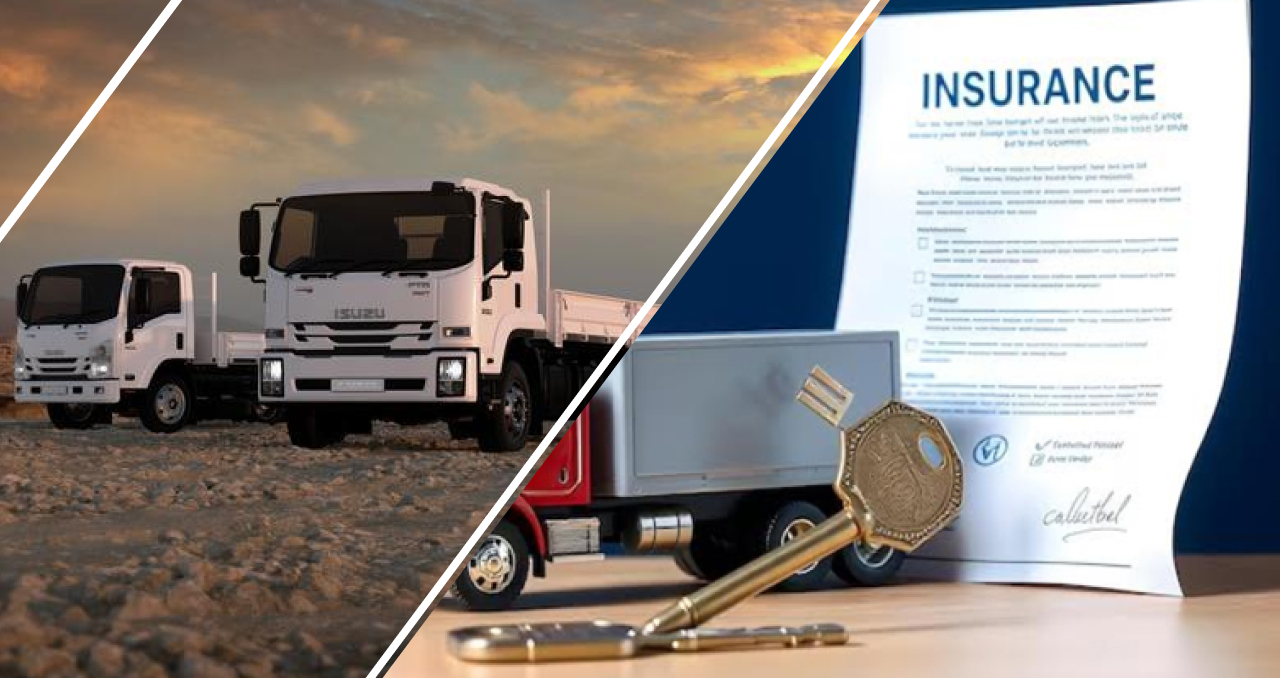
What is Commercial Pickup Truck Insurance?
Commercial pickup truck insurance is a specialized form of vehicle insurance specifically designed to protect businesses that use pickup trucks in their daily operations. Unlike personal vehicle insurance, which covers personal use of a vehicle, commercial pickup truck insurance extends coverage to the unique risks and liabilities associated with business activities. This insurance is crucial for organizations that rely on pickup trucks for transportation, delivery, or other business purposes, providing them with essential financial protection.
The primary purpose of commercial pickup truck insurance is to safeguard the assets of a business against potential losses due to accidents, theft, or damage incurred while using the vehicles for commercial activities. It typically includes coverage for liability, physical damage, and uninsured or underinsured motorists, ensuring that businesses are protected from various unforeseen circumstances. Liability coverage is particularly important, as it helps cover costs related to bodily injuries or property damage that may occur as a result of a business vehicle accident.
Moreover, commercial pickup truck insurance differs from personal vehicle insurance in several key ways. Personal vehicle insurance policies are generally limited to private use and may not provide adequate coverage for business-related activities. In contrast, commercial policies are tailored to meet the specific needs of businesses, recognizing the increased risks that come with commercial use. This includes the potential for higher mileage, varied cargo types, and the need for specialized equipment. For businesses operating in Ohio, understanding these differences is essential in ensuring compliance with state regulations and adequately protecting their assets. With the right commercial pickup truck insurance in Ohio, businesses can operate with confidence, knowing they have the necessary coverage to mitigate risks associated with their fleet operations.
Types of Coverage Available
When it comes to commercial pickup truck insurance, Ohio businesses have access to a variety of coverage options designed to protect their vehicles and operations. Understanding these options is essential for ensuring adequate protection and compliance with state regulations.
One of the primary components of commercial pickup truck insurance is liability coverage. This type of insurance is crucial for any business, as it protects against claims resulting from injuries or damage to other people or property caused by the insured vehicle. In Ohio, commercial liability coverage typically includes both bodily injury and property damage limits, ensuring that businesses can cover significant claims that may arise from accidents.
Collision coverage is another important option to consider. This type of coverage will help pay for repairs to the insured commercial pickup truck after an accident, regardless of who is at fault. Collision coverage can be particularly beneficial for businesses that rely on their trucks for daily operations, minimizing the downtime caused by repairs.
Comprehensive coverage offers a different type of protection, covering damages to the vehicle caused by events other than collisions, such as theft, vandalism, or natural disasters. For Ohio businesses that have invested in pickup trucks for their operations, comprehensive coverage can provide peace of mind against various unforeseen circumstances that could result in significant financial loss.
Additionally, there are numerous endorsements available that can enhance a commercial pickup truck insurance policy. These may include coverage for equipment and tools carried in the truck, rental reimbursement, and roadside assistance. Each endorsement can be tailored according to the specific needs of the business, providing further security and convenience.
Ultimately, selecting the right mix of coverage options under commercial pickup truck insurance in Ohio can help ensure that businesses are protected against potential risks and liabilities, allowing them to operate with confidence and peace of mind.
Legal Requirements for Commercial Vehicles in Ohio
When operating a commercial pickup truck in Ohio, it is essential to understand the specific legal requirements associated with commercial pickup truck insurance. The state of Ohio mandates that commercial vehicle operators comply with certain insurance coverage limits to ensure adequate protection while conducting business activities. This insurance is a crucial aspect of any business plan that involves the use of pickup trucks for commercial purposes.
Firstly, Ohio law requires all commercial vehicles, including pickup trucks, to meet minimum insurance liability coverage requirements. The minimum coverage typically includes a minimum of $25,000 for bodily injury per person, $50,000 for bodily injury per accident, and $25,000 for property damage. These limits can be adjusted based on the specific needs of the business and the potential risks associated with its operations.
In addition to liability coverage, businesses may need to consider additional types of coverage under their commercial pickup truck insurance in Ohio. For example, comprehensive and collision coverage can protect the vehicle against damage from accidents, theft, or natural disasters. Furthermore, certain industries might necessitate specialized insurance coverage that addresses unique risks, such as cargo insurance for transporting goods.
Another critical legal aspect involves vehicle registration and permits. Businesses must ensure that their commercial pickup trucks are properly registered with the Ohio Bureau of Motor Vehicles (BMV). This involves submitting the necessary documentation and fees. Depending on the nature of the business, additional permits or licenses may be required, especially if the truck is used for transporting hazardous materials.
Moreover, it is advisable to consult with an insurance agent familiar with commercial pickup truck insurance in Ohio to determine the most suitable coverage options based on individual business needs. Staying informed about any changes to the legal requirements ensures compliance and can prevent costly penalties or legal issues in the future.
Factors Affecting Commercial Truck Insurance Premiums
The cost of commercial pickup truck insurance in Ohio is influenced by a variety of factors. Understanding these factors is essential for business owners to manage their insurance expenses effectively. One of the primary elements that affects insurance premiums is the type of vehicle being insured. Different models of pickup trucks can have varying insurance costs due to their value, safety ratings, and repair costs. Generally, newer vehicles may carry higher premiums compared to older models, as they tend to have higher market values and more sophisticated technology, which could impact repair costs in case of an accident.
Another significant factor is the age and condition of the vehicle. Older trucks may qualify for lower premiums due to their diminished market value; however, they might also pose greater repair risks, which can negate some cost benefits. Therefore, insurers often evaluate both the age and the general condition of the truck when calculating the premium.
The driving history of the individuals who will be operating the vehicle is equally crucial. A clean driving record with no accidents or violations can lead to lower premiums, while a history of traffic incidents can result in marked increases. Insurers view drivers with extensive experience and a safe driving record as lower risk, making them more amenable to offering competitive rates.
Additionally, the nature of the business operations plays a vital role in determining commercial pickup truck insurance rates. Businesses that operate in high-risk environments, or those that transport hazardous materials, may incur higher premiums. Conversely, industries with lower risk profiles may benefit from reduced rates. Understanding the interplay of these factors can help business owners secure appropriate coverage while managing their insurance costs effectively.
Choosing the Right Insurance Provider
Selecting the most suitable provider for commercial pickup truck insurance in Ohio is a critical decision that can significantly impact your business operations. It is essential to conduct thorough research to ensure that you are getting the right coverage tailored to your specific needs. One of the first steps involves comparing quotes from multiple insurance companies. This allows you to assess the pricing structures and determine which provider offers the most competitive rates without compromising on essential coverage aspects.
When obtaining quotes, ensure that you are contacting reputable insurance companies that specialize in commercial pickup truck insurance. This specialization is vital as these providers are more likely to understand the unique risks and requirements associated with commercial vehicle operations. Additionally, pay close attention to the level of coverage offered in each quote. It is advisable to look for policies that include liability coverage, physical damage coverage, and cargo coverage, according to your business’s needs.
Alongside comparing quotes, reviewing customer feedback is equally important. Look for reviews and testimonials on platforms dedicated to insurance ratings. This will provide insights into the experiences of current and past policyholders, including customer service quality, claims processing efficiency, and overall satisfaction. A provider with a solid reputation and positive reviews can often be a safer choice, as they are likely to offer reliable service and support.
Understanding the policy terms is another critical factor. It is essential to read the fine print and clarify any terms that may seem ambiguous. Services such as personalized consultations with agents can provide clarity on coverage limits and exclusions specific to commercial pickup truck insurance in Ohio. Ultimately, a well-informed choice will lead to a more secure business operation, giving you peace of mind on the road.
The Claims Process Explained
Understanding the claims process for commercial pickup truck insurance is essential for any business using these vehicles in Ohio. In the event of an accident or damage to a commercial pickup truck, the procedure can help ensure that the owner receives compensation for their losses while adhering to the terms of their insurance policy.
The first step in the claims process is to assess the situation immediately following an incident. It is crucial to ensure that all individuals involved are safe and, if necessary, seek medical attention. Once safety is established, the next step is to gather as much information as possible about the accident. This includes taking photographs of the scene, collecting contact and insurance information from other parties, and documenting any damage sustained by the truck.
Having reliable documentation is vital when filing a claim under commercial pickup truck insurance. Businesses should report the incident to their insurance provider promptly, usually within 24 hours. Insurers often require a completed claim form, which can typically be obtained from the company’s website or directly from their customer service department. Along with this form, any evidence collected during the accident, such as photographs and witness statements, should be submitted to support the claim.
After filing the claim, an insurance adjuster will typically be assigned to assess the damage. The adjuster will evaluate the information provided and may reach out to the business for further details or clarification. This assessment plays a significant role in determining the compensation amount based on the policy limits of the commercial pickup truck insurance in Ohio.
It is also important for businesses to maintain communication with their insurance provider throughout the claims process. This ensures that any delays or issues can be promptly addressed, facilitating a smoother experience. As the process unfolds, reviewing the policy terms can provide clarity on what is covered and what documentation might be necessary.
In conclusion, understanding the claims process for commercial pickup truck insurance is vital for business owners. By following the necessary steps and providing the required documentation, they can navigate the complexities of insurance claims efficiently, minimizing stress and ensuring prompt resolution in the event of an incident.
Tips for Reducing Insurance Costs
Reducing the costs associated with commercial pickup truck insurance is a priority for many businesses in Ohio. By implementing strategic practices, owners can significantly lower their premiums without compromising coverage. One effective method involves increasing deductibles. By opting for a higher deductible, businesses can often lower their monthly premiums. However, it’s crucial to balance this choice with the financial implications of a potential claim, ensuring that the deductible remains manageable.
Another strategy for decreasing costs is enhancing driver safety. Providing consistent safety training programs for employees can lead to fewer accidents and, consequently, a lower risk profile for the insurance provider. Maintaining a good driving record not only helps keep claims to a minimum but can also qualify businesses for discounts on their commercial pickup truck insurance in Ohio.
Additionally, evaluating the types and levels of coverage is essential. Businesses should regularly review their insurance policies to eliminate unnecessary coverage that might inflate premiums. Engaging with an insurance advisor can also provide insights into necessary coverage specific to Ohio regulations while identifying areas for potential savings.
Maintaining a solid claims history is integral to reducing future insurance costs. Minimizing claims by managing risks effectively can contribute to lower premiums. Businesses can focus on regular maintenance of their vehicles, as well as implementing daily maintenance checks, which can decrease the likelihood of accidents.
Utilizing telematics is becoming increasingly popular among companies operating commercial fleets. This technology allows businesses to monitor driver behavior and vehicle performance in real-time, highlighting areas that need improvement. Such proactive measures not only enhance safety but can lead to insurance discounts based on improved driving habits.
In conclusion, employing these practical tips can significantly impact the cost of commercial pickup truck insurance in Ohio. By adopting a comprehensive approach to vehicle management, businesses can achieve savings while ensuring robust insurance coverage.
Common Exclusions in Commercial Pickup Truck Insurance
When acquiring commercial pickup truck insurance in Ohio, it is crucial for business owners to understand the exclusions that often accompany these policies. Exclusions are specific conditions or circumstances that are not covered by the insurance policy. Awareness of these exclusions can prevent misunderstandings and ensure proper risk management.
One of the most common exclusions in commercial pickup truck insurance is personal use of the vehicle. Typically, policies are designed to cover vehicles used for business purposes. If the truck is involved in an accident while being utilized for personal errands, the damages might not be covered under the commercial policy. Thus, it is essential to verify the exact usage allowed under your insurance agreement.
Another significant exclusion often pertains to the transportation of hazardous materials. If a commercial pickup truck is used to transport substances classified as hazardous, any resulting claims for damages or injuries may be denied. Businesses that deal with hazardous materials should consider additional specialized coverage to avoid potential liabilities.
Additionally, many policies exclude coverage for damage due to wear and tear or mechanical breakdown. This means that if a truck experiences issues due to age or poor maintenance, the business owner may be responsible for repair costs without recourse to their insurance policy. Regular maintenance and inspections can mitigate such risks, but they do not eliminate the necessity for understanding policy exclusions.
Moreover, acts of nature like floods, earthquakes, or riots, may also be excluded from standard commercial pickup truck insurance policies. These occurrences typically require supplemental insurance or additional riders to be adequately covered. Understanding the nuances of these exclusions can assist business owners in making informed decisions about their coverage.
In conclusion, careful scrutiny of the common exclusions found in commercial pickup truck insurance in Ohio is vital. By being aware of what is not covered, business owners can better protect themselves from unexpected liabilities and losses, ensuring that their operations run smoothly without unforeseen insurance disputes.
Future Trends in Commercial Vehicle Insurance
As the commercial vehicle insurance landscape continues to evolve, several emerging trends are shaping the future of commercial pickup truck insurance in Ohio. Technological advancements are at the forefront of these changes, with innovations such as telematics and data analytics improving risk assessment and underwriting processes. Insurers are increasingly utilizing telematics devices to collect real-time data on driving behaviors, vehicle performance, and other crucial metrics. This information enables insurers to offer more personalized premiums and coverage options, aligning costs with the actual risk posed by the insured vehicles.
Moreover, the rise of commercial pickup trucks equipped with advanced safety features is influencing insurance pricing and coverage. Vehicles integrated with technology such as automatic braking systems, lane departure warnings, and collision avoidance systems are likely to see a reduction in premiums due to their lowered risk profiles. Insurers are recognizing the significance of these innovations and adjusting their policies accordingly, thus enhancing the overall appeal of commercial pickup truck insurance in Ohio.
Another trend impacting the commercial vehicle insurance sector is the increasing emphasis on sustainability. With more businesses adopting environmentally friendly practices, there is a growing demand for electric and hybrid commercial pickup trucks. Insurers are beginning to develop specialized policies tailored for these vehicles, focusing on new risk factors and coverage needs. Additionally, regulatory changes at both the state and federal levels are expected to play a crucial role in determining insurance requirements. Stricter environmental regulations and safety standards may demand adaptations in insurance policies to ensure compliance.
In conclusion, the future of commercial vehicle insurance, particularly for commercial pickup trucks in Ohio, will likely be shaped by technological advancements, evolving safety standards, and changing regulations. Insurers who remain adaptive to these trends will better serve their clients and maintain a competitive edge in a dynamic market.
Frequently Asked Questions
1. What is commercial pickup truck insurance in Ohio?
Commercial pickup truck insurance is coverage designed for pickup trucks used for business purposes. It can help protect against liability, vehicle damage, accidents, theft, and other covered losses.
2. Does a business pickup truck need commercial insurance in Ohio?
If a pickup truck is primarily used for business activities, a personal auto policy may not provide appropriate coverage. Businesses should discuss their vehicle use with an insurance professional to determine the right policy.
3. What does commercial pickup truck insurance typically cover?
Depending on the policy, coverage may include commercial auto liability, collision, comprehensive, uninsured/underinsured motorist coverage, medical payments, and coverage for business equipment or permanently attached items.
4. How much does commercial pickup truck insurance cost in Ohio?
Premiums vary based on factors such as the truck’s value, business use, driving history, coverage limits, location, mileage, claims history, and the type of work performed.
5. What factors affect commercial pickup truck insurance rates?
Insurers may consider the driver’s record, vehicle type, annual mileage, operating radius, business industry, number of vehicles, claims history, selected coverage limits, and deductible.
6. What liability coverage is required for commercial vehicles in Ohio?
Ohio requires motor vehicles to maintain financial responsibility, and commercial vehicles may be subject to additional federal or state requirements depending on their weight, use, cargo, and operating activities. Businesses should verify the requirements applicable to their specific operation.
7. Is commercial pickup truck insurance different from personal auto insurance?
Yes. Commercial policies are designed around business-related vehicle use and may provide coverage and limits that are more appropriate for business operations.
8. Does commercial insurance cover tools and equipment in a pickup truck?
Not automatically. Coverage for tools, equipment, or business property can depend on the policy. Business owners should ask whether their equipment requires separate coverage.
9. Can I use my commercial pickup truck for personal activities?
Some policies may allow limited personal use, but the terms vary. It’s important to accurately disclose how the vehicle is used to your insurer.
10. Does commercial pickup truck insurance cover employees who drive the vehicle?
Coverage may extend to authorized employees, depending on the policy and driver requirements. Businesses should identify regular drivers and confirm that they are properly covered.
11. Can I get commercial pickup truck insurance with a poor driving record?
Possibly. A poor driving history may limit available options or result in higher premiums, but insurers evaluate drivers differently.
12. How can I lower the cost of commercial pickup truck insurance in Ohio?
Businesses can compare quotes, maintain good driving records, choose appropriate deductibles, review coverage limits, use safety practices, and ask insurers about eligible discounts.
13. What information do I need to get a commercial pickup truck insurance quote?
You may need information about the vehicle, drivers, business operations, annual mileage, operating area, vehicle ownership, intended use, claims history, and desired coverage.
14. Should I compare multiple commercial pickup truck insurance quotes?
Yes. Comparing multiple quotes can help you evaluate differences in premiums, deductibles, coverage limits, exclusions, and policy features rather than choosing based solely on price.
15. What should Ohio business owners look for in a commercial pickup truck insurance policy?
Consider liability limits, physical-damage coverage, deductibles, exclusions, driver coverage, equipment coverage, roadside assistance, claims service, and whether the policy matches your actual business use.
16. Can commercial pickup truck insurance cover multiple business vehicles?
Yes. Businesses with multiple vehicles may be able to purchase commercial auto or fleet coverage, depending on the insurer and the size and type of the vehicle fleet.
Read More:


One thought on “Commercial Pickup Truck Insurance in Ohio: Coverage, Costs, Requirements, and Tips”