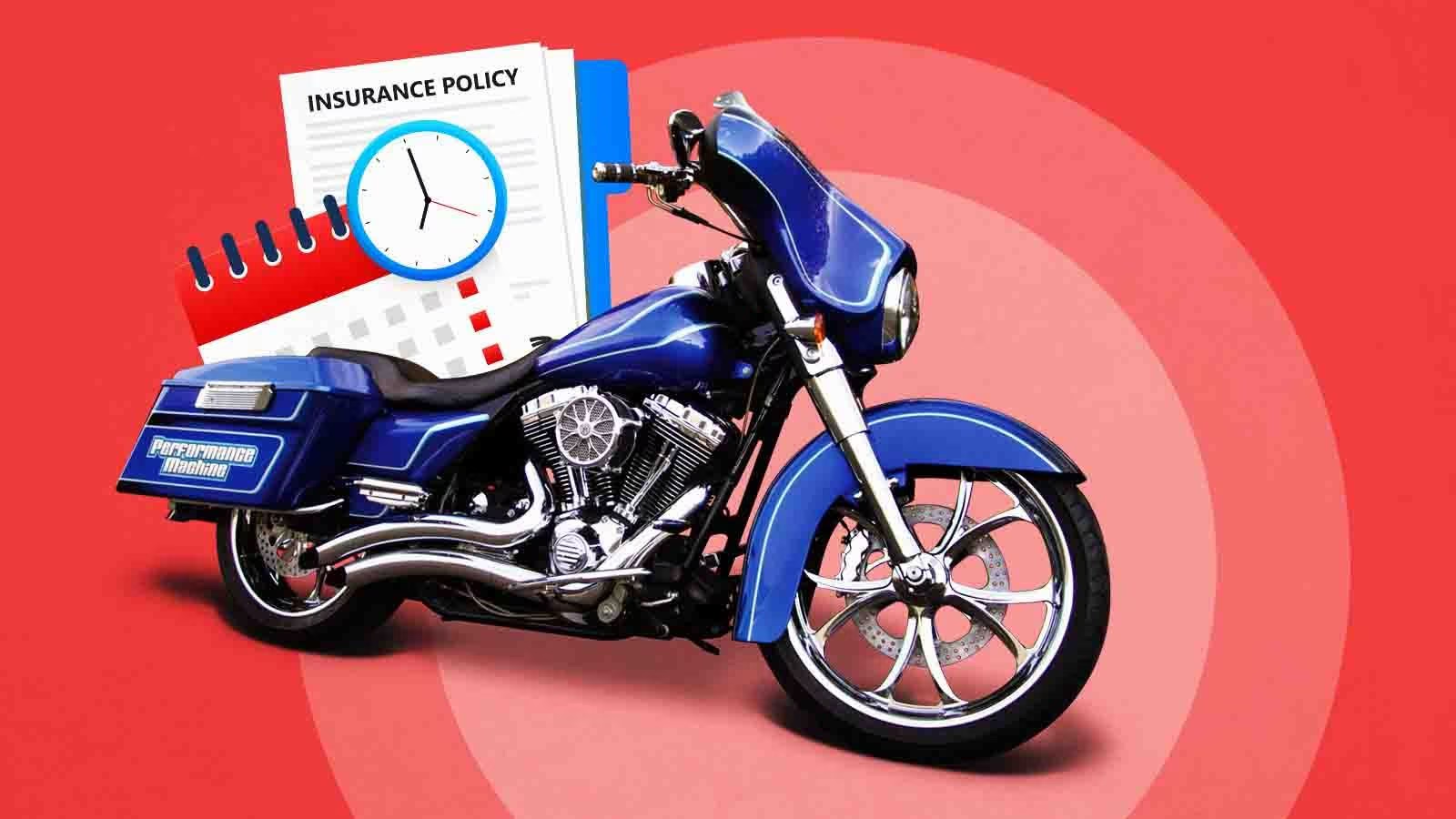
Motorcycle insurance is a crucial investment for any rider. Not only is it required by law in most states, but it also provides essential protection in the event of an accident, theft, or damage. For riders in Florida, understanding the details of general motorcycle insurance is key to ensuring they’re properly covered on the road.
In this blog post, we’ll explore the importance of motorcycle insurance, the different types of coverage available, specific requirements in Florida, and how to choose the right policy for your needs.
1. What is General Motorcycle Insurance?
General motorcycle insurance is a type of coverage designed to protect motorcycle owners from financial losses in the event of an accident, theft, or damage. Just like car insurance, motorcycle insurance offers a range of protections, depending on the policy chosen. Coverage typically includes:
- Liability Coverage: This is the most basic and mandatory form of insurance, covering injuries and property damage you may cause to others in an accident.
- Collision Coverage: This pays for damages to your own motorcycle in the event of a collision, regardless of who is at fault.
- Comprehensive Coverage: This covers non-collision incidents such as theft, vandalism, or natural disasters.
- Medical Payments Coverage: This covers medical expenses for injuries sustained while riding your motorcycle, regardless of who is at fault.
- Uninsured/Underinsured Motorist Coverage: This protects you in case you’re involved in an accident with someone who doesn’t have enough insurance to cover your damages.
Each type of coverage is designed to protect both you and others on the road. The right combination of coverage will depend on your individual needs, riding habits, and budget.
2. Why Do You Need Motorcycle Insurance in Florida?
In Florida, having motorcycle insurance is more than just a wise decision – it’s the law. Florida law requires all motorcyclists to have at least $10,000 in Personal Injury Protection (PIP) and property damage liability coverage. PIP insurance covers medical expenses for injuries sustained in a motorcycle accident, while property damage liability covers the cost of damages caused to other vehicles or property.
However, while Florida law mandates a minimum level of coverage, many riders choose to add additional protections like collision, comprehensive, and uninsured motorist coverage for added peace of mind.
Here’s why motorcycle insurance is especially important in Florida:
A. High Number of Motorcycle Accidents
Florida ranks among the states with the highest number of motorcycle accidents. According to the Florida Department of Highway Safety and Motor Vehicles, there were over 8,000 motorcycle crashes in 2020 alone. With the risk of accidents being higher, it’s crucial to have the right insurance to cover potential costs.
B. Unique Florida Road Conditions
Florida’s sunny weather and coastal roads make it a popular place for motorcycle riding, but the state’s unique road conditions – such as heavy rain, high humidity, and frequent thunderstorms – pose additional risks. Comprehensive coverage can help protect against damage from weather-related events, such as flooding or windstorms.
C. The Legal Requirement for PIP
As mentioned earlier, Florida law requires PIP insurance for all motorcyclists. PIP helps cover medical expenses for injuries sustained in accidents. Even if you’re at fault or involved in a hit-and-run accident, PIP ensures that your medical expenses are covered, helping prevent financial hardship.
3. Types of Motorcycle Insurance Coverage Available in Florida
Florida offers several types of coverage for motorcycle riders. While the state mandates PIP and property damage liability, most riders opt for additional coverage to ensure comprehensive protection.
A. Liability Coverage
Liability coverage is a basic requirement for all motorcyclists in Florida. It covers any bodily injury or property damage you cause to other parties in an accident. Florida law requires $10,000 in property damage liability coverage. However, if you cause more significant damage, you may be held personally liable for the remaining costs.
B. Collision Coverage
Collision coverage is a smart choice for riders who want to protect their own motorcycle in the event of a crash, regardless of who is at fault. This coverage pays for damages to your motorcycle after a collision with another vehicle or object.
C. Comprehensive Coverage
Comprehensive insurance covers damages to your motorcycle caused by non-collision events, including theft, vandalism, fire, and natural disasters. Florida’s unpredictable weather, including hurricanes, flooding, and hailstorms, makes comprehensive coverage a valuable investment for riders in the state.
D. Medical Payments Coverage
Medical payments (MedPay) coverage helps cover medical expenses for injuries sustained while riding your motorcycle. This coverage is especially important because PIP in Florida may not fully cover all medical costs, especially if your injuries are severe.
E. Uninsured/Underinsured Motorist Coverage
This coverage protects you if you are involved in an accident with a driver who either has no insurance or insufficient insurance to cover the damage. Florida’s high number of uninsured drivers makes this an essential coverage for many riders in the state.
4. How Much Does Motorcycle Insurance Cost in Florida?
The cost of motorcycle insurance in Florida can vary depending on several factors, including your age, driving history, the type of motorcycle you own, and the amount of coverage you need. On average, Florida riders pay between $100 to $500 per year for motorcycle insurance, but the premium can be higher or lower based on the following factors:
- Age and Riding Experience: Younger riders or those with less experience may face higher premiums due to the perceived risk.
- Motorcycle Type and Value: The type of motorcycle you own (e.g., sport bike, cruiser, touring bike) and its value can impact your premium.
- Driving History: A clean driving record can help lower your rates, while a history of accidents or traffic violations may raise your premium.
- Coverage Level: The more coverage you opt for, the higher your premium will be. Adding collision, comprehensive, or uninsured motorist coverage will increase your costs.
5. Tips for Lowering Your Motorcycle Insurance Premium in Florida
While motorcycle insurance is a necessary expense, there are ways to lower your premium:
A. Take a Motorcycle Safety Course
Completing a motorcycle safety course can help reduce your insurance costs. Many insurance companies offer discounts to riders who have completed an accredited motorcycle safety course. This not only makes you a safer rider but also demonstrates to insurers that you’re a lower-risk customer.
B. Choose a Higher Deductible
Choosing a higher deductible can lower your premium. However, it’s important to make sure you can afford the deductible if you need to file a claim.
C. Bundle Your Policies
If you have other insurance policies, such as auto or home insurance, consider bundling them with your motorcycle insurance. Many insurers offer multi-policy discounts, which can help reduce your overall premiums.
D. Maintain a Clean Riding Record
Keeping a clean riding record without accidents or violations will help you qualify for lower rates over time. Insurers reward safe drivers with lower premiums, so maintaining a clean record is a smart way to reduce costs.
6. How to Choose the Right General Motorcycle Insurance in Florida
When selecting motorcycle insurance in Florida, consider the following tips to ensure you choose the best coverage for your needs:
A. Evaluate Your Coverage Needs
Assess your riding habits and the level of risk you’re comfortable with. If you ride frequently or in challenging weather conditions, comprehensive and collision coverage may be worth the investment.
B. Shop Around for Quotes
Don’t settle for the first quote you receive. Shop around and compare quotes from multiple insurers to find the best rates and coverage options.
C. Look for Customer Reviews and Ratings
Check customer reviews and ratings for insurers you’re considering. Look for companies that are known for great customer service and fast claims processing.
D. Work with a Local Insurance Agent
A local insurance agent can help you navigate Florida’s specific insurance requirements and tailor your policy to your unique needs.
Conclusion
In Florida, motorcycle insurance is not only a legal requirement but also an important investment to protect yourself, your motorcycle, and others on the road. While the state mandates certain coverages, many riders opt for additional protections like collision, comprehensive, and uninsured motorist coverage for added peace of mind.
By understanding the different types of coverage available and shopping around for the best rates, you can find a policy that suits your needs and budget. Whether you’re a seasoned rider or new to motorcycling, the right general motorcycle insurance can help ensure you’re covered no matter what happens on the road.
Frequently Asked Questions (FAQ) About Motorcycle Insurance in Florida
1. What is the minimum motorcycle insurance required in Florida?
In Florida, motorcyclists are required to carry Personal Injury Protection (PIP) insurance and property damage liability insurance. PIP covers medical expenses for injuries sustained in an accident, while property damage liability covers damages caused to other vehicles or property. The minimum coverage for property damage liability is $10,000.
2. What does general motorcycle insurance cover?
General motorcycle insurance typically includes several types of coverage:
- Liability Coverage: Covers bodily injury and property damage to others when you’re at fault.
- Collision Coverage: Pays for repairs or replacement of your motorcycle after an accident.
- Comprehensive Coverage: Covers non-collision damages like theft, vandalism, or weather-related events.
- Medical Payments Coverage: Pays for medical expenses if you’re injured in an accident.
- Uninsured/Underinsured Motorist Coverage: Protects you in case you’re hit by a driver with little or no insurance.
3. How much does motorcycle insurance cost in Florida?
The cost of motorcycle insurance in Florida varies widely based on factors like your age, driving record, the type of motorcycle, and the coverage you select. On average, you can expect to pay between $100 to $500 annually, but premiums may be higher for high-risk riders or premium motorcycles.
4. Is it necessary to have comprehensive coverage in Florida?
While comprehensive coverage is not required by Florida law, it is highly recommended. Comprehensive coverage protects your motorcycle from damages not related to a collision, such as theft, vandalism, or damage caused by natural disasters—events that are particularly relevant in Florida’s unpredictable weather conditions.
5. Can I ride without motorcycle insurance in Florida?
No, it is illegal to ride a motorcycle without insurance in Florida. The state mandates that all riders carry Personal Injury Protection (PIP) and property damage liability coverage at a minimum. Failure to comply with these requirements can result in fines, license suspension, or other penalties.
6. What is Personal Injury Protection (PIP) insurance?
PIP insurance covers medical expenses for injuries you sustain in a motorcycle accident, regardless of who is at fault. It’s mandatory in Florida and helps with hospital bills, rehabilitation, and sometimes lost wages due to injury. Keep in mind that PIP coverage is limited to medical expenses and does not cover damage to your motorcycle or others.
7. How do I lower my motorcycle insurance premiums in Florida?
There are several ways to reduce your premiums:
- Complete a Motorcycle Safety Course: Many insurers offer discounts for riders who complete accredited safety courses.
- Choose a higher deductible: A higher deductible can reduce your premium, but make sure you can afford it if you need to file a claim.
- Maintain a clean driving record: Safe riders with no accidents or traffic violations are often rewarded with lower premiums.
- Bundle policies: If you have other insurance policies (e.g., home, auto), bundling them with your motorcycle insurance may earn you a discount.
8. What types of motorcycles require higher insurance premiums?
Motorcycle insurance premiums are often higher for certain types of bikes. Sport bikes, touring motorcycles, and custom motorcycles tend to have higher premiums due to their higher value, speed, and risk of theft. On the other hand, cruiser motorcycles or older bikes may be cheaper to insure.
9. What is the difference between collision and comprehensive coverage?
- Collision Coverage: This covers damage to your motorcycle caused by a collision, whether it’s with another vehicle, object, or even a pothole.
- Comprehensive Coverage: This covers damage to your motorcycle that isn’t related to a collision, such as theft, vandalism, natural disasters, or hitting an animal.
10. How do I choose the right motorcycle insurance policy in Florida?
To choose the right policy, consider factors such as:
- How often you ride: Frequent riders may need more coverage, while infrequent riders may opt for a basic policy.
- The value of your motorcycle: High-value motorcycles may require collision and comprehensive coverage for full protection.
- Your budget: Balancing coverage needs with what you can afford is key to finding the right policy.
- Additional coverage options: If you ride with passengers or in high-risk conditions, you may want to add coverage for passengers or specific weather-related events.
Read More:
- Allianz Travel Insurance vs Berkshire Hathaway Travel Insurance: Which is Better in the United States?
- Understanding Flood Zone X: Flood Insurance vs. FEMA Flood Insurance
- Landlord Insurance for Commercial Property in Los Angeles: Protecting Your Investment
- Building Insurance for Commercial Property: Comprehensive Guide to Protect Your Investment
- Acrisure Insurance vs Insuracare Life: Finding the Best Personal Insurance for Your Needs