
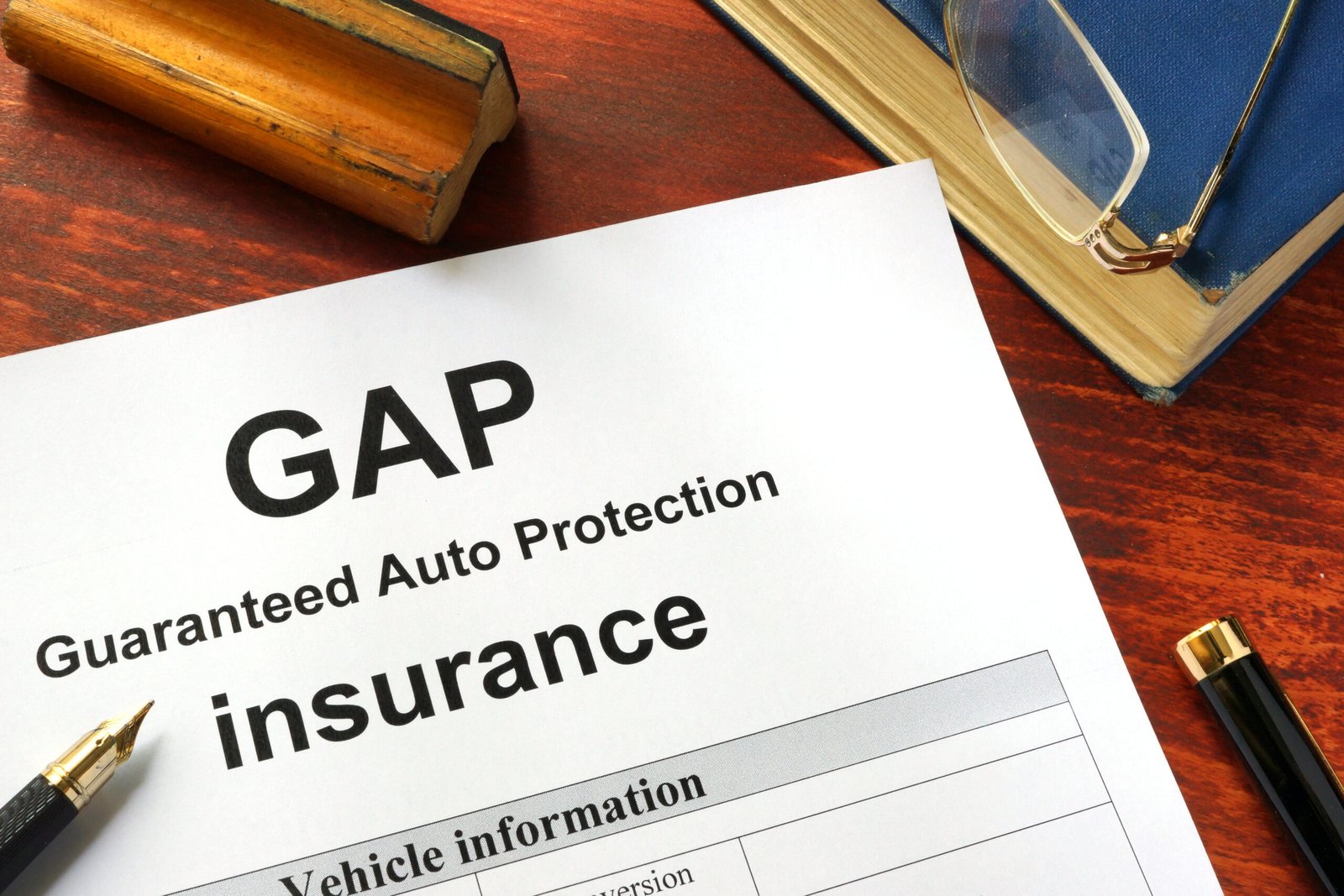
Introduction to Guaranteed Asset Protection (GAP) Insurance
Guaranteed Asset Protection (GAP) insurance is a crucial financial product designed to protect vehicle owners from significant monetary loss in the event of a total loss of their vehicle, often resulting from theft or severe accidents. The primary purpose of GAP insurance is to cover the difference between the outstanding balance on an auto loan and the actual cash value (ACV) of the vehicle at the time of the loss. This ‘gap’ can be particularly painful for borrowers who might find themselves still owing money on their vehicles, even though they can no longer use them.
When an insured vehicle is deemed a total loss, insurance settlements are typically based on the current market value of the vehicle—this value often depreciates significantly shortly after purchase. Thus, owners can easily find themselves in a difficult financial situation where they must continue making payments on an auto loan despite no longer having the vehicle. GAP insurance addresses this issue by providing coverage that ensures the loan balance is settled, effectively relieving the financial burden on the vehicle owner.
In essence, GAP insurance is an important safeguard for those financing or leasing a vehicle. It is especially recommended for buyers who have made a minimal down payment or who have a lengthy loan term, as depreciation can quickly outpace equity. Given the unpredictable nature of vehicle ownership, exploring the benefits of guaranteed asset protection insurance is a prudent step for vehicle owners in the U.S. This financial instrument not only offers peace of mind but also enhances overall financial stability in the face of unforeseen vehicle-related mishaps.
Why Vehicle Owners Should Consider GAP Insurance
Guaranteed asset protection insurance is an essential financial product for vehicle owners, particularly in the United States, where many individuals finance their cars. As vehicles depreciate over time, their market value decreases significantly, often leading to a gap between what is owed on the loan and the actual value of the vehicle after a total loss. This gap can be particularly concerning for those who have recently purchased a new vehicle, as it can lead to unexpected financial burdens.
Depreciation is a natural process, where a vehicle loses its value as it ages. For many vehicles, this loss can be substantial within the first few years of ownership. For instance, a new car might lose over 20% of its value within the first year. Standard auto insurance typically covers only the actual cash value of the vehicle, which may leave owners with a shocking financial discrepancy if their car is declared a total loss. In such cases, guaranteed asset protection insurance serves to eliminate this financial gap, ensuring that the owner does not have to continue making payments on a vehicle they no longer possess.
Furthermore, vehicle financing agreements often do not account for the rapid depreciation, thereby increasing the likelihood that owners will owe more than their vehicle is worth, especially if there is a loan involved. This reality makes guaranteed asset protection insurance a smart choice for vehicle owners, as it covers the difference between the insurance payout and the outstanding loan balance. Consequently, GAP insurance ensures that vehicle owners have peace of mind knowing they are protected against the unexpected financial repercussions that can arise from an unforeseen accident or theft.
The Benefits of Having GAP Insurance
Guaranteed asset protection insurance, commonly referred to as GAP insurance, offers several significant advantages for vehicle owners in the United States. One of the primary benefits is the peace of mind it provides. In the unfortunate event that your vehicle is declared a total loss due to an accident or theft, traditional auto insurance typically covers only the vehicle’s actual cash value at the time of loss. This amount may fall short of the remaining loan balance, leaving owners responsible for the deficit. By obtaining guaranteed asset protection insurance, vehicle owners can rest assured that their financial liability will be covered, alleviating stress during difficult circumstances.
Moreover, GAP insurance acts as a crucial financial safety net, helping vehicle owners avoid potential out-of-pocket expenses. In the fast-paced automobile market, vehicles depreciate quickly, often resulting in a situation where the loan balance exceeds the value of the car. This gap can lead to significant financial strain when settling the remaining balance with the lender after a loss. By securing guaranteed asset protection insurance, vehicle owners are more equipped to manage unexpected financial burdens, as the insurance steps in to cover the difference.
Another important aspect of GAP insurance is its relevance for those who may have taken out a long-term loan or financed a vehicle with a low down payment. In these cases, the risk of owing more than the vehicle’s value increases. Access to guaranteed asset protection insurance can effectively mitigate these risks. By adopting this option, vehicle owners not only protect their investment but also gain a valuable tool for managing their finances more wisely.
Who Should Purchase GAP Insurance?
Guaranteed asset protection insurance is a vital consideration for specific demographics of vehicle owners, particularly those who find themselves in unique financial situations regarding their automobile purchases or leases. For individuals who have financed a vehicle, especially new car buyers, GAP insurance becomes exceedingly relevant. When drivers purchase a new vehicle with a high loan amount, there is often a significant gap between the remaining balance on the loan and the actual cash value of the car, especially in the first year after purchase. In the event of a total loss, the insurance payout may not cover the remaining loan balance, which is where guaranteed asset protection insurance comes into play.
Furthermore, individuals who lease vehicles should also seriously consider acquiring GAP insurance. Lease agreements generally entail lower initial payments but come with the obligation to return the car in good condition. If a leased vehicle is totaled in an accident or stolen, the lessee may be liable for the difference between the market value of the car at the time of loss and the remaining balance owed on the lease. By having guaranteed asset protection insurance, lessees can avoid unexpected financial burdens.
Additionally, vehicle owners who have made a small down payment when purchasing their cars are at risk. With less equity in the vehicle, the gap between what is owed on the vehicle and what it is worth can quickly widen, especially in the early months of ownership. In essence, those with high loan amounts, new car buyers, and individuals leasing vehicles represent the primary demographics that can greatly benefit from guaranteed asset protection insurance, making it a prudent investment in safeguarding their financial interests.
Costs Involved in GAP Insurance
Guaranteed asset protection insurance (GAP insurance) is designed to cover the difference between the amount owed on a vehicle and its current market value in case of a total loss. While it provides crucial coverage for vehicle owners, understanding the costs associated with GAP insurance is essential for making an informed decision. The premiums for GAP insurance can vary significantly based on several factors, including the insurance provider, the vehicle’s value, and the policyholder’s driving history.
When considering GAP insurance, it is important to note that premiums are typically calculated as a percentage of the vehicle’s value, which can range from a few hundred to over a thousand dollars. The vehicle’s make and model, age, and likelihood of being involved in an accident can significantly influence pricing. For example, luxury and high-performance vehicles may command higher GAP insurance premiums due to their higher value and replacement costs.
Another prominent factor that determines the cost of guaranteed asset protection insurance is the individual’s credit score. Insurance companies often assess the creditworthiness of potential policyholders, offering better rates to those with good credit histories. Additionally, the deductible amount, which is the initial sum a policyholder pays before the insurance kicks in, can also affect premium calculations. Lowering the deductible typically results in higher premiums, whereas a higher deductible can reduce the costs.
Finally, the variance between different insurance providers should not be overlooked. Each company has its formula for calculating GAP insurance premiums, which means potential policyholders should obtain quotes from multiple insurers to discover the best pricing. By understanding the nuances of costs associated with guaranteed asset protection insurance, vehicle owners can make more strategic choices tailored to their financial situation.
How to Purchase GAP Insurance
When considering guaranteed asset protection insurance, it is essential to understand the purchasing process, as well as where and how to acquire this type of coverage. One of the most efficient approaches is to evaluate your situation at the time of purchasing a vehicle. Many dealerships offer guaranteed asset protection insurance as part of their financing options, allowing you to add this protection to your car loan at the point of sale.
While buying from a dealership can be convenient, it is advisable to do some research first. Start by comparing gaps insurance policies from multiple providers—both from the dealership and independent insurers. Look for a policy that explicitly covers the difference between your vehicle’s current value and the outstanding loan balance in the event of a total loss.
Additionally, when evaluating a policy, consider factors such as the deductible amounts, coverage limits, and whether any additional features, such as a rental vehicle benefit, are included. Reading customer reviews can also provide insights into the reliability and responsiveness of the insurance issuer.
If you decide not to purchase guaranteed asset protection insurance at the time of vehicle purchase, it is still possible to obtain it later. Many insurers allow you to buy GAP coverage even after you’ve acquired the vehicle. However, bear in mind that the terms might vary, and pricing could potentially be higher depending on your insurance history and the vehicle’s depreciation.
In conclusion, whether you choose to buy guaranteed asset protection insurance through a dealership or an independent provider, being informed is key. Assess your options carefully and secure the right policy that aligns with your specific needs and budget, ensuring that you make a sound investment to protect your vehicle efficiently.
Common Misconceptions About GAP Insurance
Guaranteed asset protection insurance, commonly known as GAP insurance, often suffers from various misconceptions that can cloud judgment for potential buyers. One prevalent misunderstanding is the belief that GAP insurance is unnecessary for all vehicle owners. Many individuals assume that standard car insurance is sufficient to protect against financial loss in case their vehicle is totaled. However, standard policies typically cover only the vehicle’s current market value, which can be significantly lower than the amount owed on the loan. This is particularly an issue for new car buyers who may find themselves in financial distress should their vehicle be unexpectedly damaged beyond repair.
Another misconception lies in the coverage limits of guaranteed asset protection insurance. Some believe that GAP insurance fully pays off any remaining loan balance after a loss. In reality, while it does cover the difference between what the vehicle is worth and what is owed, limits may apply based on the insurer’s terms. It is crucial that vehicle owners fully understand their specific policy to clarify what is and isn’t covered in the event of a total loss.
Additionally, many confuse GAP insurance with other forms of coverage, such as comprehensive or collision insurance. While comprehensive insurance covers theft or damage from incidents like vandalism, and collision insurance covers physical damage from an accident, GAP insurance specifically addresses the financial gap when a car is declared a total loss. Consequently, understanding these distinctions is essential for vehicle owners considering their insurance options.
Addressing these misconceptions about guaranteed asset protection insurance can empower vehicle owners to make more informed decisions. By understanding the true nature of GAP insurance, individuals can better evaluate whether this type of coverage is a wise investment for their specific circumstances.
Real-Life Scenarios: When GAP Insurance Saves the Day
Guaranteed asset protection insurance (GAP insurance) serves as an essential safety net for vehicle owners, particularly in unforeseen circumstances such as accidents or theft. To illustrate its importance, consider the following scenarios.
Imagine a brand-new car purchased for $30,000. Within a few months, the owner is involved in a severe accident that results in the vehicle being declared a total loss. At this point, the car’s market value has depreciated to around $22,000 due to wear and tear, as well as sudden market fluctuations. When the insurance company settles the claim, they provide the owner with the current market value, which in this case is $22,000. However, the outstanding loan balance on the car is still $25,000. Without guaranteed asset protection insurance, the owner is left with a $3,000 financial gap that they are legally obligated to pay. In contrast, GAP insurance would cover this deficit, providing the owner with much-needed financial relief.
In another hypothetical situation, a vehicle owner lives in a high-crime area. One day, their vehicle is stolen. The insurance policy will likely pay the owner the depreciated value of the car, which may be less than the amount still owed on the car loan. For instance, if the depreciated value is determined to be $15,000, but the loan balance is $18,000, the owner finds themselves accountable for the remaining $3,000. With guaranteed asset protection insurance, this financial burden is alleviated as it covers the gap between the insurance settlement and the outstanding loan amount.
These scenarios illustrate how GAP insurance is not merely an added expense but a smart choice for vehicle owners in the U.S. It plays a crucial role in mitigating financial risks associated with owning a vehicle, ensuring that they are not left with unmanageable debt in times of crisis.
Conclusion: Is GAP Insurance Right for You?
In conclusion, guaranteed asset protection insurance (GAP insurance) serves as an important safety net for vehicle owners, particularly in a landscape fraught with uncertainties related to vehicle depreciation and potential losses. By taking a proactive approach, you can safeguard your investment against unexpected financial burdens that may arise due to the unfortunate event of a total loss of your vehicle.
Throughout this blog post, we discussed the fundamentals of GAP insurance, its advantages, and the specific contexts in which it becomes a valuable consideration for vehicle owners in the U.S. For instance, if you have a loan or lease on a vehicle, GAP insurance can cover the gap between your vehicle’s worth and what you owe. This coverage is not only relevant for new cars but also beneficial for those with high depreciation rates, which may otherwise leave owners financially vulnerable.
When evaluating whether guaranteed asset protection insurance is the right choice for you, reflect on your financial situation, vehicle type, and the terms of your financing arrangement. It’s also advisable to consider your driving habits and the likelihood of accidents that may lead to a total loss. Ultimately, GAP insurance can be a smart choice if it aligns with your individual needs, offering peace of mind and financial protection against unforeseen circumstances.
Evaluating your circumstances carefully will guide you in making an informed decision. For many vehicle owners, integrating GAP insurance into their vehicle ownership strategy can provide assurance that they are protected, allowing them to navigate the complexities of vehicle financing with greater confidence.
FAQ: Guaranteed Asset Protection Insurance
1. What is Guaranteed Asset Protection (GAP) Insurance?
GAP Insurance is a type of coverage that helps protect you in case your vehicle is totaled or stolen. It covers the difference between what you owe on your car loan or lease and the amount your insurance payout covers, which may be less than the actual value of your car.
2. Why should I consider GAP Insurance?
If your vehicle is totaled or stolen, your standard auto insurance will typically only pay the current market value of your car, which could be less than what you owe on your loan or lease. GAP Insurance ensures you won’t be left paying the remaining balance out-of-pocket.
3. Does GAP Insurance cover everything?
GAP Insurance only covers the gap between your car’s actual cash value and your outstanding loan or lease balance. It does not cover any other expenses such as medical bills or damage to other vehicles in an accident.
4. Is GAP Insurance mandatory in the United States?
No, GAP Insurance is not legally required. However, some lenders or leasing companies may require it as part of your loan or lease agreement, especially if you are financing a large portion of the vehicle’s value.
5. How does GAP Insurance work if my car is totaled?
If your car is deemed a total loss, your regular insurance will pay the current market value of your vehicle. GAP Insurance will cover the difference between what your insurance company pays and what you owe on your loan or lease.
6. Can I buy GAP Insurance at any time?
It’s best to purchase GAP Insurance when you buy or lease the car, as the coverage is most beneficial during the early stages of your loan, when your car’s value depreciates faster than you pay down the loan. However, you can often purchase it later from your insurer or the dealership.
7. How much does GAP Insurance cost?
The cost of GAP Insurance varies depending on factors like the car’s value, the loan or lease terms, and the insurer. On average, it may cost between $20 to $40 per year if purchased through an auto insurance policy. Dealerships often offer it as an add-on, which may cost more.
8. Will GAP Insurance cover my deductible?
Typically, GAP Insurance does not cover your insurance deductible. You may need separate coverage to pay for your deductible if your car is totaled.
9. Is GAP Insurance worth it?
If you owe more on your car loan or lease than the vehicle’s current market value, GAP Insurance can provide peace of mind and financial protection in case of an accident. It’s particularly helpful for those who put down a small down payment or have long-term car loans.
10. Can I cancel GAP Insurance if I pay off my loan early?
Yes, if you pay off your car loan early or refinance, you may be eligible to cancel your GAP Insurance and receive a refund for the unused portion of the premium. Always check with your insurer to understand the refund process.
Read more:
- Understanding the Cost of Commercial Auto Insurance in Texas: Monthly Breakdown
- Cheapest Personal Insurance Plans in New Jersey: Affordable Coverage for Every Need
- General Motorcycle Insurance in Florida – Coverage, Benefits, and What You Need to Know
- Allianz Travel Insurance vs Berkshire Hathaway Travel Insurance: Which is Better in the United States?
- Do Insurance Companies Cover Parking Lot Accidents in the USA?