
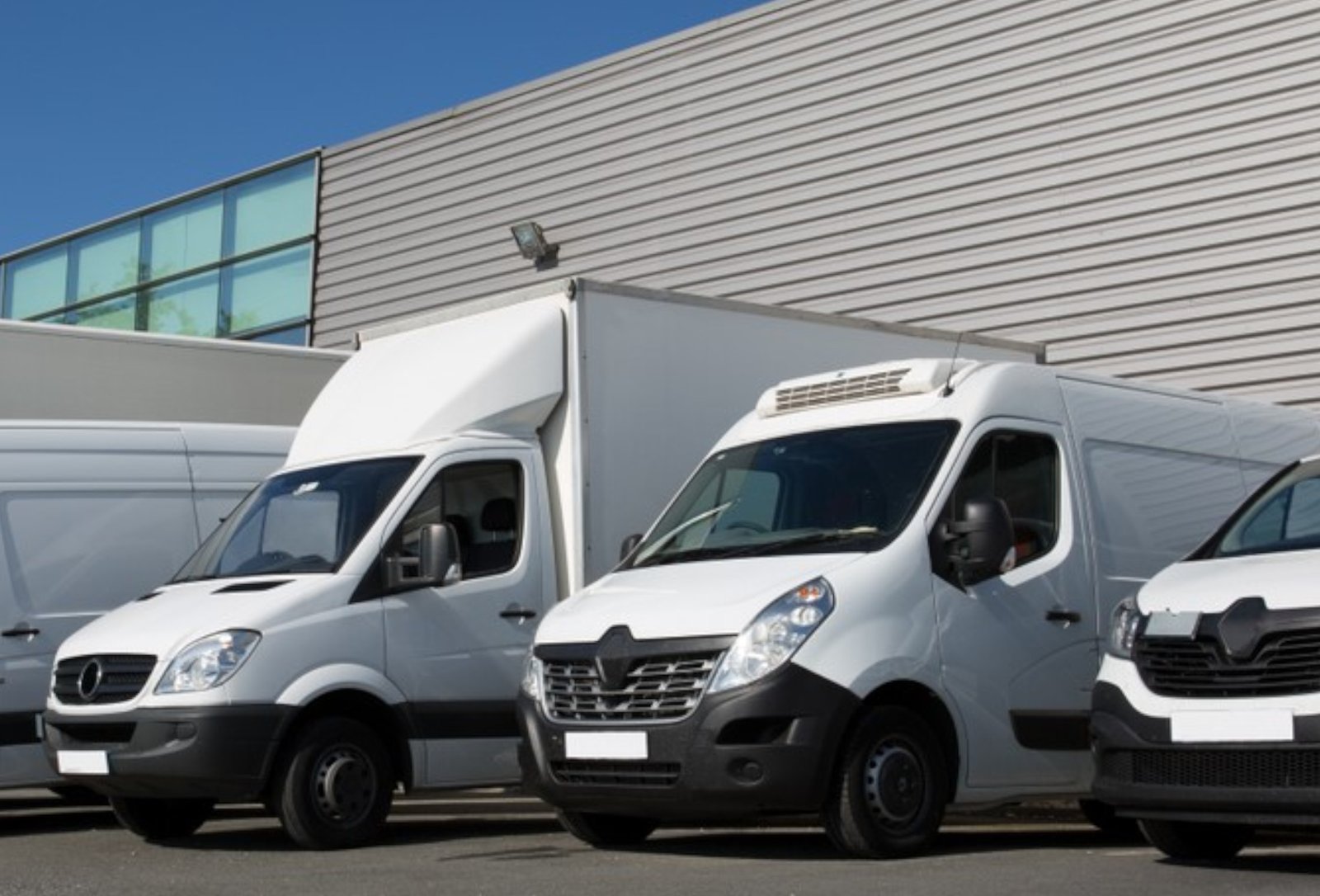
If you’re running a business in Indiana and use vehicles for work-related purposes, getting the right commercial auto insurance is essential. Commercial auto insurance is designed to cover vehicles used for business activities, whether it’s transporting goods, carrying passengers, or running errands for the company. Unlike personal auto insurance, which typically excludes coverage for business use, commercial policies are tailored to meet the specific risks and legal requirements businesses face. In this guide, we’ll walk you through the process of getting commercial auto insurance in Indiana, what’s required, and what options are available to protect your business on the road.
1. Understand what “commercial auto insurance” means
Commercial auto insurance covers vehicles used for business purposes (rather than purely personal use). Examples: a van used for deliveries, a truck used on job sites, a car used by a salesperson, etc. If your business uses a vehicle, you likely need this type of insurance.
Why does that matter? Because using a vehicle for business changes the risk profile. Personal auto policies often exclude business use (or may not provide full protection). So starting here helps you recognise when you need a commercial policy instead of or in addition to a personal one.
2. Know the minimum legal requirements in Indiana
Before you shop around, you should know what the law demands in the state of Indiana. These are baseline numbers; depending on your business type and the vehicle, you may need more.
- Indiana requires commercial auto policies to meet at least $25,000 for bodily injury per person, $50,000 total bodily injury per accident, and $25,000 for property damage. (Sometimes written as 25/50/25)
- Also, vehicles must include uninsured motorist (UM) and underinsured motorist (UIM) coverage unless rejected in writing.
- For higher‑risk situations (large trucks, interstate commerce, hazardous materials) the minimums go up. For example: vehicles hauling freight across state lines might need $300,000 or $750,000 in combined single limit (CSL) liability.
- If you register a “company vehicle” in Indiana, proof of insurance is required when registering or renewing.
Bottom line: your commercial policy must at least meet these numbers, and you’ll need to consider whether your business needs more than the minimum.
3. Assess your vehicle usage and business risk
Before quoting insurers, you’ll need a clear picture of how the vehicle is used. This will affect: required limits, premiums, and policy terms.
Ask yourself:
- What type of vehicle is it (car, van, light truck, heavy truck)?
- How many miles does it travel under business use?
- Does it operate only within Indiana, or across state lines (interstate)?
- Does it haul goods, people, hazardous materials?
- Are employees driving it, or just the owner/driver?
- Do you operate in what insurers consider high‑risk business (construction, landscaping, deliveries at night, etc.)?
- Do you already have any personal policies for the vehicle, and how do they define business use?
The insurer will ask these questions and will price and structure the policy accordingly. For example, a vehicle used only for occasional business errands is different from a delivery van used 8 hours a day.
4. Choose what coverages you need (beyond the minimum)
Meeting the legal minimum is only the first step. You’ll want to consider additional coverages based on your risk.
Here are common components:
- Liability coverage – covers bodily injury and property damage you cause. (Legal minimum applies here.)
- Collision and comprehensive – covers damage to your vehicle (collision, theft, fire, vandalism).
- Medical payments / personal injury protection – covers medical costs for driver/passengers, regardless of fault.
- Uninsured / underinsured motorist (UM/UIM) – In Indiana you must include these unless you reject them.
- Non‑owned auto liability – if you or your employees use personal vehicles for business, you might need this to fill gaps.
- Hired‑auto coverage – if your business rents/leases vehicles, you’ll want coverage for that.
- Cargo insurance – if your business transports goods, you may need coverage for the goods themselves.
- Higher limits – Even though the legal minimum is 25/50/25, most businesses do better with higher limits to protect against costly claims.
Make a checklist of what your business does and choose coverages accordingly.
5. Collect the necessary information to quote and bind a policy
When you approach an insurance agent or broker, they’ll need several pieces of information:
- Vehicle specifics: make, model, year, VIN, gross vehicle weight, carry capacity, usage
- Driver info: names, driver history (accidents/tickets), whether employees or owners drive
- Business details: business name, legal structure, address(es), type of operations
- Estimated mileage, route types (local, intrastate, interstate)
- Existing insurance policies and coverage gaps
- Any regulatory numbers (USDOT/MC number) if you operate interstate or haul freight.
Gathering this ahead of time helps you compare quotes more effectively.
6. Shop around and compare insurers
Don’t settle for the first quote. Here are tips:
- Work with a broker/agent who specialises in commercial auto insurance rather than just personal policies.
- Get quotes from multiple insurers. The premium differences can be significant based on risk profile and coverages.
- Ask about deductibles, excess limits, policy endorsements, and what is excluded.
- Review the insurer’s reputation, claims handling, and whether they understand your business type.
- Ask for savings opportunities: e.g., bundled policies, safe‑driver discounts, installing telematics/GPS in vehicles.
- Consider whether the policy meets both legal minimums and your risk exposure (you may need higher limits).
7. Bind the policy and meet registration/filing requirements
Once you choose a policy:
- Sign the policy documents, pay the initial premium, and ensure you obtain the proof of insurance certificate.
- For company vehicles: when registering or renewing with the Indiana Bureau of Motor Vehicles (BMV) you’ll need to provide proof of insurance.
- If you operate interstate or haul for hire, you may need to file forms (for example, the BMC‑91X filing or Form E) with the federal and state agencies.
- Add the vehicles to the policy, and add any drivers/employees who will drive them.
- Make sure the policy clearly distinguishes “business use” vs “personal use.” Clarify what happens if the vehicle is sometimes used for personal errands.
8. Maintain compliance and review regularly
Getting the policy is not the end. You’ll want to keep on top of things:
- Review the policy annually or when your operations change (new vehicles, different use, new states, higher mileage).
- Ensure premium is paid on time and the policy remains active to avoid lapses (which can trigger penalties and exposure).
- Monitor claims: a history of accidents or claims will increase future premiums, so invest in safety/training.
- If you add vehicles or change use (for example you start hauling interstate), notify your insurer and adjust coverages accordingly.
- Keep proof of insurance in each vehicle, and make sure the insurance meets what the law requires and what contracts (clients/customers) might demand.
9. Mistakes to avoid
Here are common pitfalls that businesses fall into:
- Relying on a personal auto policy when vehicles are used for business — that gap can leave you uncovered.
- Carrying only the minimum coverage without considering risk exposure (for example a crash causing major injuries may cost far more than $50,000).
- Using vehicles for interstate commerce or hauling for hire without notifying the insurer or upgrading the policy.
- Failing to file required forms with federal/state agencies (particularly for trucking/freight).
- Letting the policy lapse or not maintaining proof of insurance for registration.
- Underestimating drivers’ risk (not screening employees, not tracking driving records).
10. Final thoughts
If your Indiana business uses vehicles for any business purpose, commercial auto insurance is not just advisable—it’s required. Start by understanding how your vehicles are used and what the minimum legal requirements are. Then build a policy that fits your actual risk, not just what the law demands. Shop around, pick a specialist insurer or broker, bind the right coverages, maintain compliance, and review regularly. Doing this well will protect your business, your drivers, and your assets.
FAQ: How to Get Commercial Auto Insurance in Indiana
1. What is commercial auto insurance?
Commercial auto insurance covers vehicles that are used for business purposes, including cars, vans, trucks, or any vehicle that is primarily used for business operations (such as deliveries or transporting goods or employees).
2. Do I need commercial auto insurance in Indiana?
If you use a vehicle for business purposes, whether full-time or occasionally, you need commercial auto insurance. Personal auto insurance typically doesn’t cover vehicles used for business, and driving without adequate insurance could lead to legal and financial risks.
3. What are the legal minimum insurance requirements for commercial vehicles in Indiana?
Indiana requires commercial vehicles to have a minimum of $25,000 for bodily injury per person, $50,000 per accident for bodily injury, and $25,000 for property damage. Additional coverage might be required depending on the type of vehicle, business operations, and whether the vehicle travels interstate.
4. What additional coverage should I consider for commercial auto insurance?
Beyond the minimum requirements, you may want to add:
- Collision and Comprehensive Coverage: Covers damage to your own vehicle, regardless of fault.
- Medical Payments: Covers medical costs for you and your passengers.
- Cargo Insurance: Covers the goods you transport, in case of theft or damage.
- Uninsured/Underinsured Motorist Coverage: Protects you if you’re in an accident with a driver who doesn’t have enough insurance.
5. How do I get a quote for commercial auto insurance in Indiana?
To get a quote, you’ll need to provide details about your business, the vehicles, and drivers. Key information includes:
- Vehicle details (make, model, VIN, weight)
- Business type and operations
- Estimated mileage
- Driver information (accident history, age, driving records) Once you gather this, contact an insurance broker or agent specializing in commercial insurance, or compare quotes from multiple insurers online.
6. How much does commercial auto insurance cost in Indiana?
The cost of commercial auto insurance in Indiana varies depending on factors such as the type of business, the number and type of vehicles, the drivers’ records, and the level of coverage needed. On average, expect to pay anywhere from $500 to $3,000 per year per vehicle. For businesses with larger fleets or higher risks, premiums can be higher.
7. Can I use a personal auto policy for my business in Indiana?
Personal auto insurance policies generally do not cover vehicles used for business purposes. If you use your personal vehicle for business, your personal policy may exclude claims related to that use. It’s best to get a commercial policy if your vehicle is used for work-related activities.
8. Do I need to add employees as drivers to my commercial auto insurance?
Yes, if your employees will be driving business vehicles, you must list them on the policy. Many commercial policies will cover employees, but the insurer needs to know their driving history and whether they will be using the vehicles.
9. Is there any coverage for renting vehicles for business in Indiana?
Yes, many commercial auto policies offer hired and non-owned auto coverage, which protects you if you rent vehicles for business purposes. If your business often rents cars, trucks, or vans, consider adding this coverage to your policy.
10. What are the penalties for driving without commercial auto insurance in Indiana?
Driving without insurance is illegal and can result in significant fines, penalties, and potential loss of your vehicle registration. Additionally, without proper coverage, you may be liable for any damages or injuries caused in an accident.
11. How can I reduce the cost of my commercial auto insurance?
You can reduce premiums by:
- Bundling policies (e.g., combining commercial auto with general liability or property insurance).
- Installing safety features or tracking devices in your vehicles.
- Maintaining a good driving record for yourself and your employees.
- Opting for higher deductibles (if feasible).
- Shopping around for the best rates from different insurers.
12. How do I file a claim with my commercial auto insurance in Indiana?
In the event of an accident, contact your insurer immediately. You will need to provide details about the incident, including any police reports, witness statements, and vehicle damage. The insurance company will guide you through the process and help you manage repairs, medical bills, and legal expenses if applicable.
13. Can I get commercial auto insurance for a single vehicle in Indiana?
Yes, you can purchase commercial auto insurance for a single vehicle if it’s used for business purposes. Whether you own a fleet of vehicles or just one, insurers will tailor a policy based on the size and scope of your business.
14. Is commercial auto insurance required for all types of businesses in Indiana?
Yes, any business that uses vehicles—whether it’s a single vehicle used for deliveries or a fleet of vehicles transporting goods—must have commercial auto insurance. If you don’t meet the requirements, you could face legal and financial risks.
Read More:
- General Liability Insurance for Small Businesses in Massachusetts: What You Need to Know
- Life Insurance for Seniors Over 60 in California: What You Need to Know
- What Happens When You Reject an Insurance Settlement Offer in Florida
- Exploring Alternatives to Mercury Insurance: Why InsuracareLife Could Be Your Next Best Choice
- Affordable Full Coverage Car Insurance in Georgia: How to Find the Best Deals