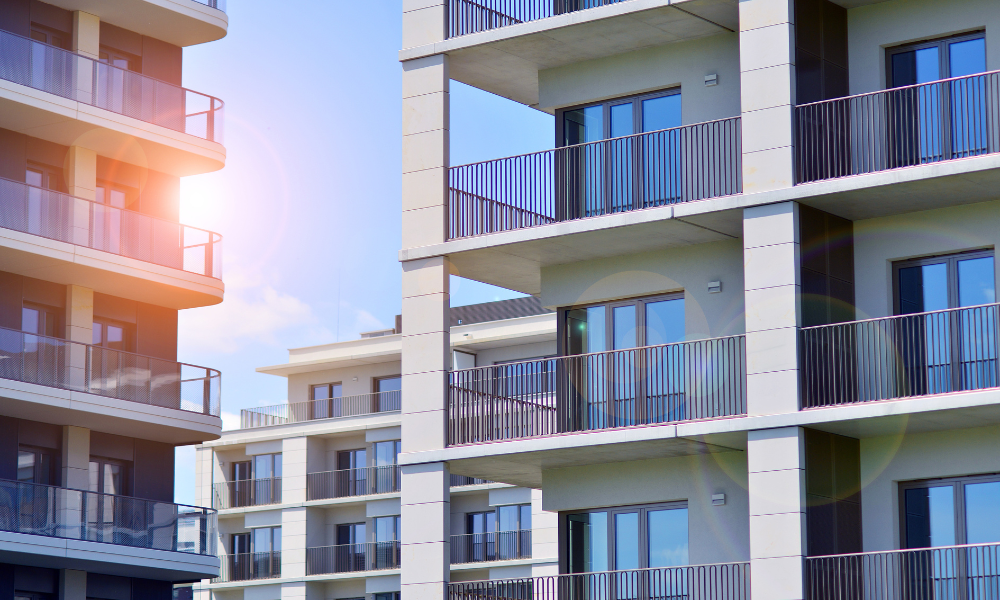

Owning a commercial property in Los Angeles is a significant investment. From office buildings and retail stores to warehouses and industrial facilities, commercial properties generate income but also come with substantial risks. Landlord insurance for commercial property is essential for property owners to protect their buildings, rental income, and legal responsibilities.
This comprehensive guide explains what landlord insurance is, why it is necessary, what it typically covers, factors affecting premiums, how to choose the right policy, and the benefits of having proper coverage. By understanding these aspects, Los Angeles commercial property owners can safeguard their investments and ensure long-term financial stability.
What Is Landlord Insurance for Commercial Property?
Landlord insurance for commercial property is a specialized insurance policy designed to protect property owners from financial losses related to their commercial rental properties. Unlike standard property insurance, which focuses on the building alone, landlord insurance combines coverage for the physical structure, liability, and lost rental income.
This type of insurance is tailored for landlords who lease their buildings to tenants. It ensures that the property is protected from physical damage, legal claims, or unexpected events that may disrupt rental income. Whether you own a multi-tenant office building in Downtown Los Angeles or a retail space in Santa Monica, landlord insurance is critical for financial security.
Why Landlord Insurance for Commercial Property Is Essential
Owning a commercial property comes with unique risks, especially in a busy city like Los Angeles. Some of the main reasons landlord insurance is essential include:
- Protection Against Property Damage
Fire, storms, vandalism, and other unforeseen events can cause significant damage to a commercial building. Insurance helps cover repair or replacement costs. - Liability Coverage
Landlords may be held legally responsible if tenants, employees, or visitors are injured on the property. Landlord insurance protects against such claims. - Rental Income Protection
If a building becomes uninhabitable due to a covered event, insurance can compensate for lost rental income during repairs. - Legal Compliance
Some lenders and mortgage providers require commercial property insurance before approving loans. - Peace of Mind
Knowing that your investment is protected allows landlords to focus on property management and growth without worrying about financial setbacks.
What Does Landlord Insurance for Commercial Property Cover?
The coverage of landlord insurance for commercial property varies by provider and policy, but most include the following:
1. Building Coverage
Covers damage to the physical structure of the property, including:
- Walls, floors, ceilings, and roofs
- Fixtures such as plumbing, elevators, and electrical systems
- External structures like fences, car parks, or signage
2. Liability Coverage
Protects landlords from legal claims if someone is injured on the property or if the property causes damage to neighboring buildings.
3. Loss of Rental Income
Compensates landlords for lost income if the property becomes temporarily uninhabitable due to a covered event, such as a fire or flood.
4. Optional Coverage
Depending on your property and risk factors, you may include additional protection for:
- Floods and earthquakes
- Theft or vandalism of tenant-owned equipment
- Legal expenses for eviction or tenant disputes
- Equipment breakdown or machinery damage
Risks Specific to Commercial Properties in Los Angeles
Owning commercial property in Los Angeles comes with unique challenges. Some risks that landlord insurance covers include:
- Natural Disasters: Los Angeles is prone to earthquakes, wildfires, and occasional flooding.
- Tenant-Related Risks: Damage caused by tenants or disputes over lease terms.
- Vandalism and Theft: Properties in busy or tourist-heavy areas may face higher risks.
- Business Interruption: Loss of income if tenants cannot operate their business due to property damage.
By understanding these risks, landlords can tailor policies to provide the most effective coverage.
Factors Affecting Landlord Insurance Premiums
Several factors influence the cost of landlord insurance for commercial property:
- Property Value: Higher-value buildings generally lead to higher premiums.
- Building Age and Construction: Older buildings or those made from high-risk materials may cost more to insure.
- Location: Properties in earthquake-prone zones or areas with higher crime rates may face higher premiums.
- Tenant Type: Industrial or high-risk commercial tenants may increase insurance costs.
- Claims History: Previous claims or losses can affect premium rates.
- Security and Safety Measures: Installing fire alarms, sprinkler systems, CCTV, or security personnel may reduce premiums.
How to Choose the Right Landlord Insurance for Commercial Property
Selecting the right policy is critical for ensuring adequate protection. Consider the following steps:
1. Assess Your Risks
Identify potential risks specific to your property, including natural disasters, vandalism, tenant-related damage, and legal liabilities.
2. Compare Policies
Review multiple policies from different providers. Focus on coverage, exclusions, and premium costs.
3. Check Coverage Limits
Ensure the policy covers the full replacement cost of the building and includes liability coverage appropriate for your property type.
4. Optional Add-Ons
Consider additional coverage like flood, earthquake, or business interruption, especially for high-risk areas in Los Angeles.
5. Work With Professionals
Insurance brokers or agents specializing in commercial landlord insurance can help find a policy tailored to your needs and budget.
Benefits of Landlord Insurance for Commercial Property
Having landlord insurance offers numerous benefits:
- Financial Security: Reduces out-of-pocket expenses for repairs or legal claims.
- Business Continuity: Protects rental income if the property is temporarily unusable.
- Legal Protection: Covers liability claims related to property use and tenant injuries.
- Peace of Mind: Lets landlords focus on property management without worrying about unexpected losses.
- Compliance: Meets lender and regulatory requirements.
Common Misconceptions About Landlord Insurance
- “My tenants have insurance, so I don’t need landlord insurance.”
Tenant insurance usually covers their property, not the building or landlord liability. - “My building is new, so it doesn’t need insurance.”
Even new buildings can face risks like fire, natural disasters, or tenant damage. - “All damages are automatically covered.”
Policies have exclusions. It’s important to read terms carefully and understand what is included.
Filing a Claim for Landlord Insurance
Filing a claim correctly ensures a smooth process:
- Notify the Insurer Promptly after an incident.
- Document the Damage with photos, videos, and repair estimates.
- Provide Supporting Evidence like lease agreements or invoices.
- Cooperate With Adjusters during inspections and assessments.
- Follow Up until the claim is resolved.
Local Considerations for Los Angeles Landlords
Los Angeles has unique factors that make landlord insurance essential:
- Earthquake Zones: Consider earthquake coverage for buildings in fault-prone areas.
- Wildfire Risk: Properties near wildfire-prone hills or suburbs may require additional coverage.
- High Crime Areas: Downtown LA or tourist-heavy districts may face increased vandalism or theft risks.
- Commercial Diversity: Policies may vary depending on tenant types, from office workers to industrial operations.
Working with an insurance broker familiar with Los Angeles commercial properties ensures your policy is tailored to local risks.
Conclusion
Landlord insurance for commercial property is a critical investment for property owners in Los Angeles. It protects your building, rental income, and legal responsibilities against unforeseen events such as fire, storms, vandalism, or tenant disputes. By understanding coverage options, assessing risks, and choosing the right policy, landlords can safeguard their investments, ensure financial security, and maintain business continuity.
For commercial property owners in Los Angeles, investing in landlord insurance is not just a legal requirement or lender condition—it is a smart strategy for long-term protection and peace of mind.
Frequently Asked Questions About Landlord Insurance for Commercial Property in Los Angeles
Q1: What is landlord insurance for commercial property?
Landlord insurance for commercial property is a policy that protects property owners against financial losses from damage to their building, liability claims, or loss of rental income from tenants.
Q2: Why do I need landlord insurance for my commercial property in Los Angeles?
It safeguards your investment, ensures rental income continuity, protects against legal claims, and helps comply with lender requirements.
Q3: What does landlord insurance for commercial property cover?
Most policies cover building damage from fire, storms, vandalism, or accidental events. It may also include liability coverage, loss of rental income, and optional add-ons like earthquake or flood coverage.
Q4: How much does landlord insurance for commercial property cost in Los Angeles?
Premiums vary depending on property value, building age and type, location, tenant type, claims history, and safety features like alarms or sprinklers.
Q5: Can landlord insurance cover tenant-related damage?
Yes, some policies cover accidental or malicious damage caused by tenants. Always check the policy for specific coverage details.
Q6: Does landlord insurance cover natural disasters in Los Angeles?
Standard policies usually cover fire and storms, but optional coverage may be required for earthquakes, floods, or wildfires common in Los Angeles.
Q7: How do I file a claim for landlord insurance?
Notify your insurer promptly, document the damage, provide supporting evidence, cooperate with adjusters, and follow up until the claim is resolved.
Read More:
- Building Insurance for Commercial Property: Comprehensive Guide to Protect Your Investment
- Acrisure Insurance vs Insuracare Life: Finding the Best Personal Insurance for Your Needs
- Which Companies Are Cheaper Than American International Group (AIG)?
- Florida Manufactured Home Insurance: Essential Coverage for Your Property
- Best Health Insurance Plans for Families: Your Ultimate Guide to Coverage in the U.S.