When it comes to car insurance, you may have heard of SR-22 insurance, especially if you’ve been involved in serious driving violations. But what is SR-22 insurance, and how does it work? This blog aims to clarify what SR-22 insurance is, why you might need it, how to obtain it, and how long you’ll need to carry it.
What Is SR-22 Insurance?
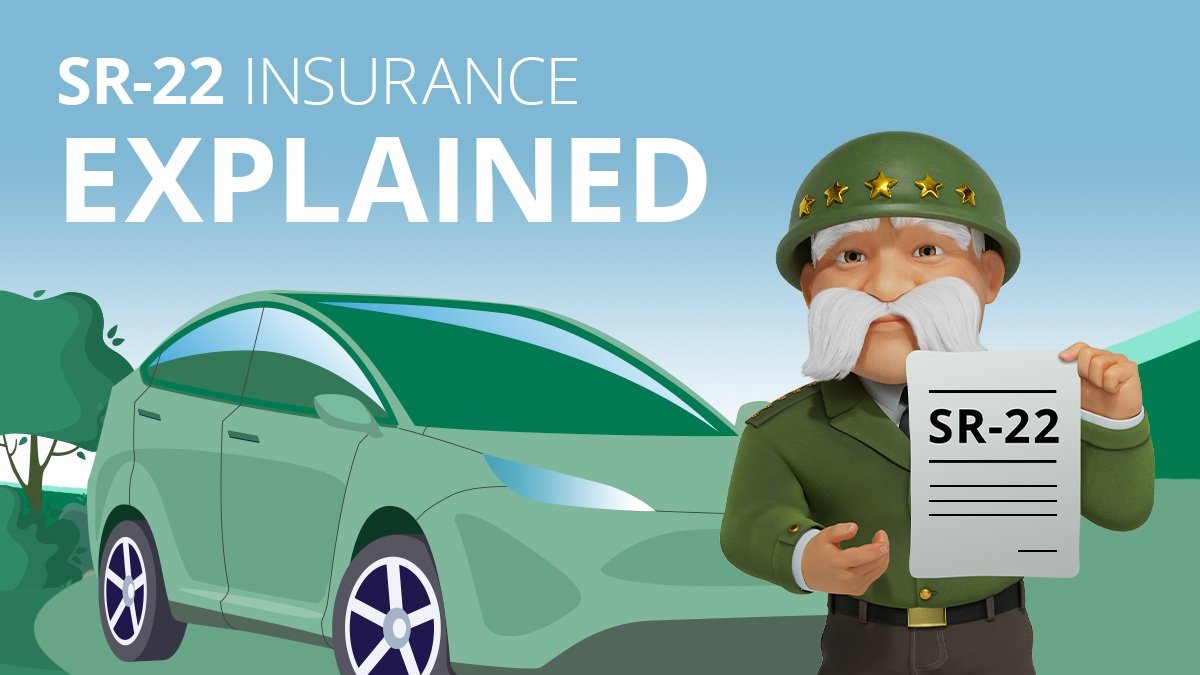
An SR-22 is not technically a type of insurance itself, but rather a certificate of financial responsibility that proves you are carrying the minimum required auto insurance in your state. It’s often mandated by the court or your state’s Department of Motor Vehicles (DMV) following certain driving offenses.
Many people mistakenly believe that SR-22 insurance is a special type of high-risk insurance policy, but it’s actually an endorsement added to a regular car insurance policy. Think of it as proof that you’re meeting your state’s requirements for auto insurance, particularly if you’ve had issues like DUIs, reckless driving, or multiple traffic violations.
Why Do You Need SR-22 Insurance?
SR-22 insurance is typically required for drivers who have committed certain violations that result in a suspension or revocation of their driver’s license. These violations may include, but are not limited to:
- DUI/DWI (Driving Under the Influence/Driving While Intoxicated)
- Driving without insurance
- Reckless driving
- Multiple traffic violations
- Accidents caused by an uninsured driver
If you’ve been caught driving without car insurance, your license may be suspended, and you could be required to provide an SR-22 as proof that you now have the proper coverage. In some states, even if you have a clean record but have had a lapse in insurance coverage, you might be required to file an SR-22 to reinstate your driving privileges.
Key Points:
- SR-22 is not a type of insurance, but proof of insurance.
- Required after serious traffic violations or uninsured accidents.
- It’s often ordered by the court or DMV.
Types of SR-22 Filings
There are three different types of SR-22 filings, which are used depending on your situation:
- Operator’s SR-22: This is the most common type of SR-22 and is filed for individuals who only drive personal vehicles. It shows that the driver has the minimum required insurance coverage.
- Owner’s SR-22: This type applies to individuals who own a vehicle. It provides proof that the vehicle itself is insured under the SR-22 certification.
- Non-owner’s SR-22: This is for individuals who don’t own a car but need to maintain insurance in order to drive other people’s vehicles. This can be useful for those who frequently borrow or rent cars but still need to show proof of financial responsibility.
How Does SR-22 Insurance Work?
Once you’ve been ordered to file an SR-22, you will need to work with an insurance provider to add this certification to your auto insurance policy. The insurance company will file the SR-22 with your state’s DMV, which then verifies that your insurance meets the minimum requirements for coverage.
SR-22 insurance is typically required for a period of three years, but the exact length depends on the severity of your violation and the state where you live. During this time, your insurance policy must remain active. If your policy lapses, the insurer will inform the DMV, which could result in a suspension of your driver’s license.
Key Points:
- SR-22 proves you have the required auto insurance.
- The insurance company files the SR-22 with the DMV.
- You must maintain coverage for a specified period, typically 3 years.
- If the insurance lapses, your license could be re-suspended.
How to Get SR-22 Insurance
Getting SR-22 insurance involves a few simple steps, but it’s essential to understand that not all insurance companies offer SR-22 filing services. Here’s what you need to do:
- Contact Your Insurance Provider: If you already have car insurance, call your current insurer and let them know you need an SR-22 form filed. If they don’t offer SR-22 services, they may refer you to a company that does.
- Choose a New Insurance Company (if necessary): If your insurer doesn’t offer SR-22 filings, you’ll need to find an insurance company that does. Look for providers that specialize in high-risk insurance.
- Pay the SR-22 Filing Fee: In addition to your regular insurance premiums, you’ll likely have to pay an SR-22 filing fee, which can range from $15 to $50, depending on your state.
- Maintain Continuous Coverage: It’s important to keep your insurance active during the period you’re required to carry the SR-22. Any lapse in coverage can result in severe penalties, including the suspension of your license.
- Submit the SR-22 Form: Once the insurance company has filed the SR-22 with the DMV, they’ll send you a copy. You may be required to present this form to your state’s DMV to have your driver’s license reinstated.
How Long Do You Need SR-22 Insurance?
The period for which you’ll need SR-22 insurance can vary. Typically, you’ll need to maintain SR-22 insurance for three years after the date of the violation. However, the length of time can vary by state and the severity of your violation.
- For a DUI conviction, you might be required to keep SR-22 insurance for up to five years in some states.
- If you’ve had multiple violations or have failed to pay fines, the SR-22 requirement may be extended.
Remember that SR-22 is not a one-time requirement. If your insurance lapses at any time during this period, you’ll have to start the process over, and your driving privileges could be suspended again.
Costs of SR-22 Insurance
One of the major concerns for people who are required to carry SR-22 insurance is the cost. Unfortunately, SR-22 insurance is typically more expensive than regular car insurance. This is because you’re considered a high-risk driver due to your driving history. The actual cost will depend on several factors:
- The violation: More serious violations, like DUI convictions, will cause your rates to rise more than less severe offenses.
- Your state: Insurance rates for SR-22 insurance vary significantly from state to state.
- Your driving record: The more violations you have, the more expensive your insurance may be.
- Insurance company: Some insurance providers specialize in SR-22 filings and may offer lower rates for high-risk drivers.
You can expect to pay an average of $400–$1,500 per year for SR-22 insurance, depending on your location, the severity of the offense, and your individual driving history.
SR-22 Insurance and Your Driving Record
It’s important to understand that an SR-22 filing doesn’t automatically remove violations from your driving record. While SR-22 insurance proves you have the necessary coverage, it doesn’t affect the points or penalties already on your record.
Over time, however, as you maintain a clean driving record, the points from your violations may decrease, and your insurance premiums may lower. If you’re diligent about safe driving, you could see your rates drop once you no longer need SR-22 insurance.
What Happens if You Don’t Get SR-22 Insurance?
Failing to obtain SR-22 insurance when required can result in serious consequences. These can include:
- License suspension or revocation: The DMV will likely suspend your driver’s license until you comply with SR-22 requirements.
- Increased fines and penalties: Not following SR-22 guidelines can result in additional legal fines.
- Extended driving ban: In some cases, you might face a longer suspension period if you don’t provide proof of insurance.
Can You Get SR-22 Insurance Without a Car?
Yes, it’s possible to get non-owner SR-22 insurance, which is intended for individuals who need to maintain proof of insurance but don’t own a car. This is particularly useful if you frequently borrow or rent vehicles but still need to meet your state’s financial responsibility laws.
SR-22 insurance may seem like a complicated and inconvenient requirement, but it’s designed to ensure that high-risk drivers maintain the minimum level of insurance required by law. If you’ve been ordered to file an SR-22, it’s important to act quickly, work with an insurance provider that offers SR-22 filings, and maintain continuous coverage for the required period.
Reasons to File an SR-22 Certificate
There are several reasons why a driver might be required to file an SR-22 certificate, which serves as proof of financial responsibility. The most common reasons include being convicted of a DUI or DWI offense, where the court mandates SR-22 insurance as part of the penalty to reinstate a suspended or revoked driver’s license. Another common reason is driving without insurance—if your license was suspended for driving uninsured, an SR-22 ensures that you have the minimum required coverage before you can get your license back. Additionally, reckless driving offenses or accumulating too many traffic violations within a short period can lead to an SR-22 filing. The SR-22 is also often required for drivers involved in serious accidents, particularly those where the driver was uninsured or underinsured at the time of the crash. In these cases, the SR-22 serves as a financial guarantee that the driver now has the required insurance coverage to prevent future accidents from going uninsured. Simply put, the SR-22 certificate is a way to prove to the state that you have the minimum auto insurance coverage required by law, ensuring that drivers who pose a higher risk on the road are financially responsible.
If you’re struggling with high SR-22 insurance premiums, consider shopping around to find the best rates, and take steps to maintain a clean driving record in the future to avoid extended SR-22 requirements.
Remember, while SR-22 insurance may come with challenges, it’s also an opportunity to get back on track and demonstrate responsible driving habits moving forward.
Frequently Asked Questions (FAQ) About SR-22 Insurance
1. What is SR-22 insurance?
SR-22 is not a type of insurance, but a certificate of financial responsibility that proves you carry the required amount of car insurance. It’s usually required after serious driving offenses, such as a DUI or driving without insurance. The SR-22 is filed by your insurance company with your state’s DMV to confirm that you meet the state’s minimum coverage requirements.
2. Who needs SR-22 insurance?
You may need SR-22 insurance if you’ve been convicted of certain driving violations, including:
- DUI/DWI convictions
- Driving without insurance
- Reckless driving offenses
- Multiple traffic violations
- Suspended or revoked driver’s license
It’s typically required after your license has been suspended or revoked due to these violations.
3. Is SR-22 insurance the same as car insurance?
No, SR-22 is not a specific type of car insurance. It is an endorsement added to a regular car insurance policy. It simply proves that you have the minimum required auto insurance coverage as mandated by your state.
4. How do I get SR-22 insurance?
To get SR-22 insurance, follow these steps:
- Contact your insurance provider and ask them to file an SR-22 for you.
- If your current insurer doesn’t offer SR-22 filings, you’ll need to find a new provider that does.
- Pay the SR-22 filing fee, which typically ranges from $15 to $50.
- Your insurer will file the SR-22 with your state’s DMV, and you’ll need to keep the insurance active for the required period (usually 3 years).
5. How much does SR-22 insurance cost?
SR-22 insurance is generally more expensive than regular car insurance. The cost can vary depending on:
- The severity of the violation (e.g., DUI vs. minor traffic violations).
- Your driving record and location.
- The insurance company you choose.
On average, you can expect to pay between $400–$1,500 per year for SR-22 insurance, in addition to your regular car insurance premiums.
6. How long do I need SR-22 insurance?
Typically, you will need SR-22 insurance for 3 years after your violation. However, the duration may vary based on the state you live in and the severity of your offense. In some cases, such as a DUI conviction, the period may extend up to 5 years.
7. Can I get SR-22 insurance without owning a car?
Yes, you can get non-owner SR-22 insurance. This type of policy is for people who don’t own a vehicle but still need to maintain financial responsibility in order to drive other vehicles. It’s a good option if you frequently rent or borrow cars.
8. What happens if I don’t maintain SR-22 insurance?
If you let your SR-22 insurance lapse, your insurance company will notify the DMV, which can result in:
- License suspension or revocation.
- Additional fines or penalties.
- A longer period before you can reinstate your driving privileges.
It’s crucial to keep your SR-22 insurance active for the entire required period to avoid further complications.
9. Can I remove the SR-22 after I’ve completed the required period?
Once you’ve met the SR-22 requirements and maintained continuous coverage for the required time (usually 3 years), you can request the removal of the SR-22 from your insurance policy. Your insurance provider will inform the DMV that you no longer need to carry an SR-22.
10. Do I need SR-22 insurance for every state I drive in?
If you’ve been required to file an SR-22 in one state and plan to move or drive in another state, you’ll need to check with your new state’s DMV. Some states require drivers to file an SR-22 in that state as well, while others may recognize your current filing. However, it’s crucial to maintain the SR-22 for the full period, regardless of where you drive.
11. Can SR-22 insurance be removed early?
In some cases, if you’ve demonstrated responsible driving and maintained a clean record, you might be eligible to have your SR-22 requirement removed earlier than the mandated period. However, this is rare, and you should contact your insurance provider and the DMV to determine your eligibility.
12. What happens if I move to another state while I have SR-22 insurance?
If you move to another state, you may need to re-file your SR-22 with the DMV in that state. The new state may have its own rules regarding SR-22 filings, so it’s important to check with the local DMV. Some states will accept your SR-22 from another state, while others may require you to file a new one.
13. Can I shop around for cheaper SR-22 insurance?
Yes, you can shop around for the best rates on SR-22 insurance. Since SR-22 insurance is typically more expensive than regular insurance, it’s a good idea to compare quotes from multiple providers. Keep in mind that SR-22 insurance is often provided by high-risk insurance companies, so rates will likely be higher than typical coverage.
14. What should I do if I need to file SR-22 insurance and I can’t afford it?
If you’re unable to afford SR-22 insurance, look for insurance companies that offer payment plans or lower-cost policies. You can also check for discounts that could lower your premiums, such as discounts for good driving habits or bundling multiple insurance policies. If cost is an issue, speaking to a financial advisor may help you explore all of your options.
15. Can I drive other people’s cars if I have SR-22 insurance?
Yes, if your SR-22 insurance is filed under an owner’s SR-22 or a non-owner SR-22, you are allowed to drive other people’s cars. However, the car must be insured by its owner, and you must maintain your own insurance coverage. If you have an owner’s SR-22, it applies to the vehicle that you own, so you can only drive that car.
Read More:
- Can You Have Multiple Life Insurance Policies in the United States? A Detailed Guide
- Can You Buy Travel Insurance After Booking a Flight in the United States?
- What is Personal Lines of Insurance: Personal Insurance Coverage Guide
- What is Whole Life Insurance and How does it Work in Ohio?
- Best Long-Term Disability Insurance Plans and Waiting Periods in 2025