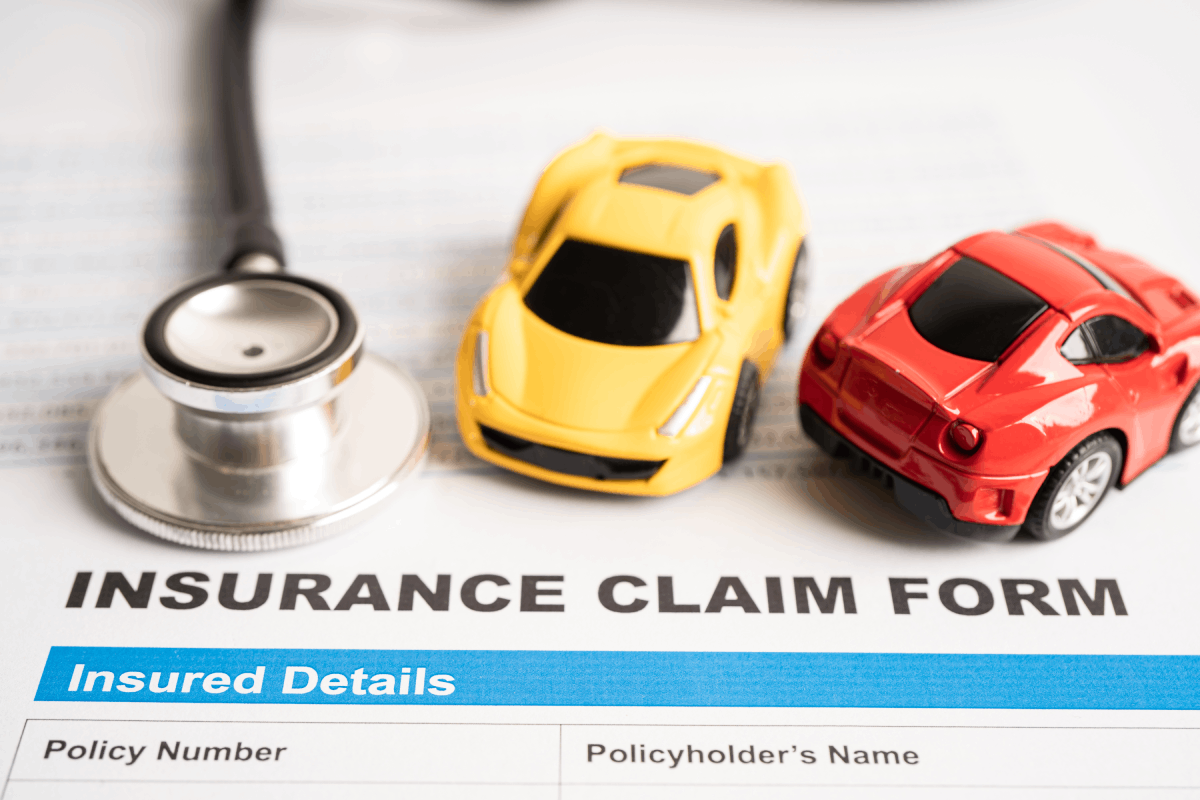

Introduction to Personal Lines of Insurance
Personal lines of insurance refer to policies designed to provide financial protection for individuals and families against various risks and uncertainties in their everyday lives. Unlike commercial insurance, which is specifically tailored for businesses, personal lines are focused on safeguarding personal assets and liabilities. These insurances cater to a diverse range of needs, including protection for homes, vehicles, personal belongings, and liability coverage, among others.
The importance of personal insurance coverage cannot be overstated. It not only protects individuals from unexpected financial losses but also helps in managing risks associated with personal property ownership and personal activities. The need for such insurance is evident in a world where unforeseen events, such as accidents, thefts, or natural disasters, can have significant financial consequences. For example, homeowners insurance can shield individuals from substantial repair costs due to damages, while auto insurance is crucial for financial responsibility after a vehicular accident.
A key differentiation of personal lines of insurance from commercial policies lies in the nature of the insured entity. Personal lines focus on personal liability and the protection of personal property, while commercial insurance is oriented towards the operational risks and liabilities associated with businesses. Understanding what are personal lines of insurance aids consumers in making informed decisions about their coverage needs, ensuring they have adequate protection against potential risks.
This section provides a foundational understanding of personal insurance coverage explained, paving the way for a more in-depth exploration of the various types available, their key features, and how to select the right policies to align with individual requirements. The goal is to empower individuals with the knowledge necessary to navigate the complexities of personal insurance effectively.
Types of Personal Lines of Insurance
Understanding what are personal lines of insurance is crucial for anyone looking to protect their assets and ensure financial stability. Personal lines of insurance encompass various types of coverage that provide protection for individuals and families. Below, we discuss some of the main types of personal insurance coverage explained, including details about their distinct characteristics and benefits.
Homeowners insurance is one of the most recognized forms of personal insurance. This policy typically covers the structure of a home, personal belongings, liability protection, and additional living expenses in the event that the home becomes uninhabitable. Homeowners insurance can shield homeowners from significant financial loss due to perils such as theft, fire, or natural disasters. Therefore, having adequate homeowners insurance is vital for safeguarding one’s most valuable asset.
Renters insurance is another form of personal lines of insurance designed specifically for those who do not own their living space. This insurance provides coverage for personal property against loss or damage and also offers liability protection if someone is injured while visiting the renter’s home. Renters insurance is often affordable and is highly recommended to protect personal possessions from unexpected events.
Auto insurance is a compulsory type of personal insurance coverage for anyone that owns and operates a vehicle. It typically includes liability coverage, which protects against legal claims arising from accidents, as well as collision and comprehensive coverage that provides protection for the insured vehicle. Understanding the different coverage options available within auto insurance can help individuals select the right policy that meets their needs.
Finally, personal umbrella insurance provides an extra layer of liability protection beyond existing policies, such as auto and homeowners insurance. This type of coverage is designed to protect individuals from large claims or lawsuits that exceed the limits of their primary insurance policies, offering peace of mind in a world fraught with uncertainties.
Homeowners Insurance Explained
Homeowners insurance is a crucial component of personal lines of insurance that provides essential protection for homeowners. This type of coverage is designed to safeguard property owners from financial losses associated with their home and its contents. Typically, homeowners insurance covers various aspects, including property damage, liability, and additional living expenses incurred if the home becomes uninhabitable due to a covered peril.
The fundamental purpose of homeowners insurance is to provide financial protection against risks such as fire, theft, vandalism, and certain natural disasters. In cases where a covered hazard damages the structure of the home or the belongings within it, homeowners insurance can help cover the repair or replacement costs. Liability coverage is also a significant component, which protects the homeowner from lawsuits due to injuries or accidents that occur on their property.
There are several types of homeowners insurance policies available. The most common is the HO-3 policy, which offers broad coverage for a home and its contents, along with liability protection. Other policy types may focus on specific needs, such as HO-5 policies for higher-end homes with more comprehensive coverage. Homeowners should also consider optional coverages such as flood insurance or earthquake insurance if they live in high-risk areas, as these perils are often excluded from standard homeowners insurance policies.
When seeking personal insurance coverage, it’s essential to assess the different policy options, determine individual coverage needs, and consult with insurance professionals to find the most suitable plan. Understanding what homeowners insurance entails is vital for every homeowner to ensure adequate protection against potential financial losses associated with property ownership.
Understanding Renters Insurance
Renters insurance is a type of personal insurance coverage that safeguards individuals living in rented accommodations. Although it is not mandatory, it is highly recommended as it provides essential protection for personal belongings and financial liabilities.
One of the critical components of renters insurance is personal property protection. This aspect of coverage helps reimburse policyholders for the loss or damage of their personal items due to events such as fire, theft, or vandalism. For individuals who rent, this means they can secure their possessions, including furniture, electronics, clothing, and other valuable items, potentially avoiding significant out-of-pocket expenses.
Another important feature of renters insurance is liability protection. This coverage comes into play if someone is injured in the renter’s living space or if the policyholder accidentally causes damage to someone else’s property. With liability protection, the insured can defend against claims and settle legal costs that may arise from unexpected incidents. This aspect of personal insurance coverage is vital, as medical expenses and legal fees can be substantial.
Additionally, renters insurance often includes loss of use coverage, which assists individuals who are temporarily displaced from their home due to a covered event, such as a fire. In such cases, the policy may cover additional living expenses, allowing the policyholder to maintain their standard of living despite unforeseen circumstances.
Overall, understanding renters insurance is crucial for anyone renting a home or apartment. This type of personal insurance coverage not only protects personal property but also provides important liability and living expense protections, ensuring peace of mind for renters as they navigate their housing situations.
The Essentials of Auto Insurance
Auto insurance represents a fundamental aspect of personal lines of insurance, providing essential protection for both drivers and pedestrians. It encompasses several types of coverage, each serving distinct purposes to safeguard individuals from potential financial liabilities resulting from road incidents.
Liability coverage is the cornerstone of auto insurance, required by law in most jurisdictions. It provides financial protection if the insured driver is at fault in an accident, offering compensation for bodily injuries and property damage sustained by others. This coverage is crucial not only for legal compliance but also for protecting one’s assets from financial claims arising from accidents.
In addition to liability insurance, individuals can choose collision coverage. This type of policy covers the cost of repairs or replacement of the insured vehicle in the event of a collision, regardless of fault. Alternatively, comprehensive coverage protects against non-collision-related incidents, such as theft, vandalism, or natural disasters, thereby enhancing personal insurance coverage as a whole.
Uninsured and underinsured motorist coverage is another essential component, addressing the financial gap when other drivers lack sufficient insurance to cover damages. This type of protection is particularly significant, given that many drivers may not hold adequate insurance policies, thus prompting the need for additional layers of security in personal insurance coverage.
In summary, understanding what personal lines of insurance, particularly auto insurance, entails is crucial for all vehicle owners. All drivers must assess their needs and ensure they obtain the appropriate levels of coverage to protect themselves and others on the road. With increasing requirements and complexities in insurance laws, being informed aids in making educated decisions, thus highlighting the value of personal insurance coverage explained fully and clearly.
Personal Umbrella Insurance: What You Need to Know
Personal umbrella insurance serves as an extended layer of liability coverage that goes beyond the limits offered by standard personal lines of insurance, such as home and auto insurance policies. Essentially, it acts as a safety net, providing additional protection in the event that an insured individual is found liable for damages or injuries that exceed their primary insurance limits. This type of coverage is particularly beneficial for individuals who possess significant assets or engage in activities that could increase their risk of liability.
For instance, if a homeowner is involved in a situation that leads to a lawsuit—such as hosting a party where a guest gets injured—standard home insurance might cover some of the costs. However, if the damages or medical expenses exceed that coverage limit, the personal umbrella policy would then step in to cover the additional costs, thereby protecting the policyholder’s assets.
Similarly, personal umbrella insurance can be advantageous for those who operate vehicles, whether for personal use or as part of a business. In the unfortunate event of a serious car accident where the driver is deemed liable for extensive property damage or medical expenses, the umbrella policy can cover liabilities that exceed the auto insurance limits. This coverage can provide peace of mind knowing that there is an additional layer of protection, particularly in high-risk scenarios like owning rental properties or engaging in volunteer work that involves physical activities.
In conclusion, personal umbrella insurance is an essential component of a comprehensive personal insurance coverage strategy. It enables individuals to safeguard their financial future against unpredictable events, ensuring they are not left vulnerable to significant financial losses in cases of liability that exceed their other insurance coverage limits.
Factors Influencing Insurance Premiums
The cost of personal lines of insurance can vary significantly based on several influencing factors. Understanding these elements is crucial for policyholders seeking to manage their insurance expenses effectively.
One of the primary determinants of personal insurance coverage costs is the risk associated with the individual or property being insured. Insurers assess the likelihood of claims based on various metrics, including the insured’s age, driving record, health condition, and the location of the property. For instance, a homeowner in an area prone to natural disasters may face higher premiums compared to someone in a more stable region.
Another important factor is the individual’s credit history. Many insurance companies utilize credit scores as a measure of fiscal responsibility, with a stronger credit history often leading to lower premiums. This practice stems from studies indicating that individuals with poor credit tend to file more claims, prompting insurers to adjust pricing accordingly.
Claims history is also a significant factor influencing personal insurance costs. A history of frequent claims may flag an individual as a higher risk for insurers, leading to increased premiums. Conversely, those with minimal or no claims history may benefit from loyalty discounts and reduced rates.
Furthermore, the chosen coverage limits and deductibles play a crucial role in determining insurance premiums. Opting for higher coverage limits will generally increase the premium, while higher deductibles may lower the cost. This choice allows policyholders to customize their personal insurance coverage according to their financial situation and risk tolerance.
In conclusion, understanding the various factors that influence personal lines of insurance premiums can empower individuals to make informed decisions. By analyzing these elements such as risk factors, credit history, claims history, and coverage limits, policyholders can optimize their insurance costs while ensuring adequate personal insurance coverage.
Tips for Choosing Personal Insurance Coverage
When it comes to selecting the right personal lines of insurance, understanding your specific needs and circumstances is paramount. Begin by thoroughly evaluating your personal situation, which includes taking stock of your assets, liabilities, and any potential risks you may face. This assessment will provide a clear picture of what personal insurance coverage is essential for your protection.
Once you have a clear understanding of your insurance needs, it is crucial to compare different policies. Each insurer may offer various types of coverage options, limits, and exclusions within their personal insurance products. By carefully reviewing multiple insurance policies, you can identify which option aligns best with your needs, budget, and preferences.
While comparing policies, pay particular attention to coverage limits and exclusions. Coverage limits determine the maximum amount an insurer will pay in the event of a claim, and having adequate limits is essential to fully protect your assets. Additionally, understanding the exclusions outlined in each policy will help you avoid surprises when you attempt to file a claim. Certain scenarios or events may not be covered, and being informed about these limitations will allow you to make more educated decisions about what personal lines of insurance are necessary.
Lastly, don’t hesitate to consult with an insurance professional. These experts can provide personalized assistance and insights, helping you navigate the complex world of personal insurance coverage. They can clarify terms, recommend coverage types, and assist you in finding an insurer that meets your unique requirements.
By evaluating your needs, comparing policies meaningfully, and understanding the intricacies of coverage limits and exclusions, you will be better equipped to choose the right personal insurance coverage that safeguards you and your assets effectively.
Conclusion: The Importance of Personal Insurance
In today’s unpredictable world, understanding the concept of personal lines of insurance is crucial in safeguarding one’s assets and financial future. Personal insurance coverage plays a vital role in protecting individuals and families from unexpected financial losses due to various risks, including theft, accidents, and natural disasters. By investing in adequate personal insurance coverage, individuals can ensure that they are shielded from significant out-of-pocket expenses that may arise from unfortunate incidents.
Moreover, personal lines of insurance encompass a wide range of policy options, including homeowners, renters, automobile, and personal umbrella liability insurance. Each of these policies addresses specific needs, thereby offering targeted protection. For instance, homeowners insurance not only protects the dwelling itself but also covers personal property and liability risks that may occur on the property. On the other hand, automobile insurance is essential for safeguarding against vehicle-related incidents. By comprehensively exploring personal insurance coverage explained, individuals can identify the right policies to fit their unique circumstances.
Furthermore, having a thorough understanding of personal lines of insurance aids in recognizing the importance of regular policy reviews and updates. Over time, life changes such as marriage, having children, or purchasing assets can influence the adequacy of coverage. To maintain sufficient protection against financial risk, policyholders should routinely evaluate their insurance needs and adjust their coverage accordingly. This proactive approach not only enhances one’s peace of mind but also ensures that individuals are not left vulnerable to unforeseen financial challenges.
Overall, investing in personal lines of insurance is a critical step toward securing one’s financial well-being and protecting loved ones against potential hardships. The significance of having proper coverage cannot be overstated; it serves as a safety net in times of distress.
FAQ:
What are personal lines of insurance?
Personal lines of insurance refer to the types of insurance coverage designed to protect individuals and families, rather than businesses. This includes insurance policies like auto, home, renters, and life insurance, which provide financial protection for personal assets and liabilities.
What types of personal insurance coverage are available?
The main types of personal insurance include:
- Auto Insurance – Covers damage or injury caused by a car accident.
- Homeowners Insurance – Protects your home from damage or loss, and liability for injuries on your property.
- Renters Insurance – Covers personal property in a rented space and protects against theft or damage.
- Life Insurance – Provides financial support to your beneficiaries after your death.
- Health Insurance – Covers medical expenses, treatments, and prescriptions.
- Disability Insurance – Offers income replacement if you’re unable to work due to illness or injury.
- Umbrella Insurance – Provides additional liability coverage beyond your standard insurance policies.
Why do I need personal insurance?
Personal insurance is essential for protecting your financial well-being and assets. It helps cover unexpected events like accidents, property damage, or health issues, preventing significant financial loss. Without insurance, you would be responsible for paying these expenses out of pocket.
What does auto insurance cover?
Auto insurance typically includes:
- Liability Coverage – Pays for bodily injury and property damage to others if you’re at fault in an accident.
- Collision Coverage – Covers damage to your own vehicle in the event of an accident, regardless of fault.
- Comprehensive Coverage – Protects against non-collision incidents like theft, vandalism, or natural disasters.
- Medical Payments or Personal Injury Protection (PIP) – Covers medical expenses for you and passengers, regardless of fault.
- Uninsured/Underinsured Motorist Coverage – Provides protection if you’re involved in an accident with someone who has insufficient insurance or no insurance at all.
What is the difference between homeowners and renters insurance?
Homeowners insurance covers both the structure of your home and your personal belongings inside, along with liability for accidents that occur on your property. Renters insurance, on the other hand, only covers your personal property and liability but doesn’t include coverage for the building itself, which is the landlord’s responsibility.
What is umbrella insurance, and why might I need it?
Umbrella insurance provides additional liability coverage beyond your existing auto, home, or renters insurance. It kicks in when your standard policies have reached their limits, offering extra protection in cases of serious accidents or lawsuits. It’s useful for individuals with significant assets or higher-risk lifestyles.
Do I need life insurance if I don’t have dependents?
Life insurance is primarily designed to provide for your dependents after your death. However, if you don’t have dependents, you might still want life insurance for other reasons, such as covering funeral expenses, paying off debts, or leaving a financial legacy for a charity.
What is the difference between term life and whole life insurance?
- Term Life Insurance – Provides coverage for a specific period (e.g., 10, 20, or 30 years) and pays a death benefit if you pass away within that term. It’s generally more affordable than whole life insurance.
- Whole Life Insurance – Offers lifelong coverage and includes an investment component (cash value) that grows over time. Whole life insurance premiums are typically higher, but it can be used as a financial tool for estate planning or loans.
How do I determine the right amount of coverage for auto or home insurance?
The right amount of coverage depends on factors like the value of your assets, the level of risk you’re willing to take on, and local laws or insurance requirements. A financial advisor or insurance agent can help assess your needs and recommend appropriate coverage amounts based on your situation.
Can I bundle my personal insurance policies to save money?
Yes, many insurance companies offer discounts for bundling multiple policies, such as auto and homeowners insurance. Bundling can be a cost-effective way to secure the coverage you need while reducing overall premiums.
What are the benefits of having disability insurance?
Disability insurance provides income replacement if you become unable to work due to illness or injury. This type of insurance helps protect your financial stability in case of long-term health issues or accidents that prevent you from earning an income.
What is health insurance, and why is it important?
Health insurance helps cover the cost of medical care, including doctor visits, hospital stays, surgeries, and prescriptions. Having health insurance ensures you can afford necessary medical treatments and protects you from significant financial burdens due to unexpected health issues.
Read More:
- What is Whole Life Insurance and How does it Work in Ohio?
- Best Long-Term Disability Insurance Plans and Waiting Periods in 2025
- Understanding Small Business Professional Liability Insurance in Los Angeles
- General Liability vs. Workers’ Compensation Insurance: What You Need to Know
- New Jersey Short-Term Disability Insurance: How It Works and What It Covers