
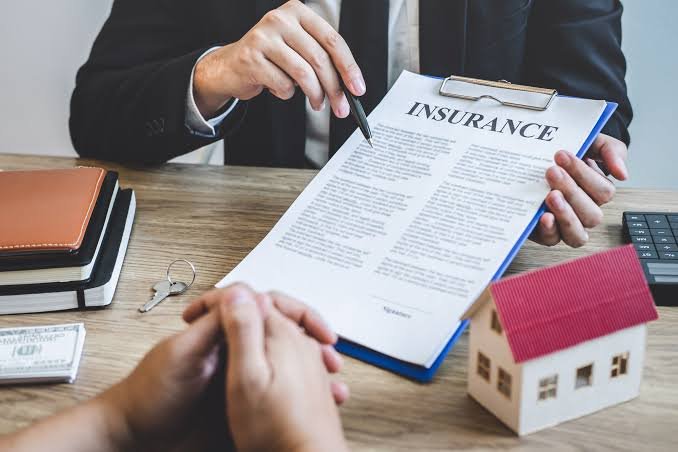
Introduction to Commercial Property Insurance
Commercial property insurance is a crucial aspect of risk management for businesses within the United States. It serves to protect the physical assets of a company, including buildings, equipment, and inventory, from various risks, including fire, theft, and natural disasters. Understanding what commercial property insurance is and its significance can help business owners make informed decisions regarding their coverage needs.
The importance of commercial property insurance cannot be understated. For many businesses, their physical assets are some of their most valuable resources. Losing these assets due to unforeseen events can have devastating financial implications. By securing appropriate coverage, businesses can safeguard their investments and continue operations with minimal disruption. This type of insurance not only helps in managing financial risks but also provides peace of mind to business owners, knowing they have a safety net should disaster strike.
There are several key types of coverage available under commercial property insurance, each designed to address specific risks. Common options include coverage for buildings, personal property, and business income, among others. For instance, building coverage typically addresses damages to the physical structure, whereas personal property coverage safeguards the contents within the premises. Additionally, business income coverage compensates for lost revenue during the period of restoration after a covered loss. Each of these coverage types plays a vital role in ensuring comprehensive protection for businesses, allowing them to thrive despite potential obstacles.
In conclusion, commercial property insurance is an essential tool for protecting the investments of businesses within the United States. By gaining a firm grasp of what commercial property insurance encompasses and the various types of coverage available, businesses can better navigate the complexities of risk management and ensure their assets are adequately safeguarded.
Why Businesses Need Commercial Property Insurance
Investing in commercial property insurance is crucial for businesses of all sizes. One of the primary reasons is risk management; businesses face numerous risks associated with property damage, theft, and other unforeseen incidents. By having the right insurance, businesses can safeguard their physical assets, ensuring that they are financially protected in case of unexpected events such as fires, natural disasters, or vandalism.
In addition to risk mitigation, what is commercial property insurance plays a vital role in offering financial protection. A single incident can lead to substantial damage, resulting in significant repair costs that may be unbearable for small businesses. With adequate coverage, businesses can cover repair expenses, replacements, and even loss of income during the downtime caused by an incident. This financial cushion is especially essential for startups or small enterprises, which can be more vulnerable to financial setbacks.
Moreover, certain legal requirements may necessitate the need for commercial property insurance. Many commercial leases require tenants to carry insurance that covers property damages and liability. Failing to comply with these requirements can lead to legal repercussions, including loss of lease agreements and potential lawsuits. Thus, obtaining commercial property insurance is not just about protecting physical assets; it is also about fulfilling legal obligations and maintaining a good standing in business operations.
Overall, investing in commercial property insurance is a proactive step for any business, safeguarding against risks, providing financial stability, and ensuring compliance with legal requirements. This multifaceted protection can ultimately contribute to long-term success and sustainability in today’s competitive market.
Types of Coverage Under Commercial Property Insurance
Commercial property insurance provides vital protection for businesses by covering various physical assets. Understanding the different types of coverage available is essential for business owners to ensure they select the most appropriate policy for their needs. One of the primary coverage types is building coverage, which protects the physical structure of a business facility. This includes not only the walls but also any fixtures that are permanently attached to the building. If damage occurs due to incidents such as fire, storm, or vandalism, this coverage helps mitigate repair costs.
Contents coverage is another significant component of commercial property insurance. This type of coverage protects the belongings within the building, including furniture, inventory, and equipment. Businesses may face substantial losses if these items are damaged or destroyed, making contents coverage an integral part of comprehensive insurance. Some policies may offer replacement cost coverage, which ensures that the items are replaced at current market value.
Additionally, equipment breakdown coverage is critical for businesses that rely on specialized machinery and equipment. This coverage addresses repair or replacement costs resulting from mechanical failure, which can lead to operational interruptions. It is particularly beneficial for industries such as manufacturing, where equipment is crucial to productivity.
Furthermore, many commercial property insurance policies offer additional coverage options that business owners can tailor to their needs. These may include business interruption insurance, which compensates for lost income during periods of downtime, or flood coverage, which provides protection against damages caused by water-related incidents. By understanding the types of coverage available under commercial property insurance, business owners can make informed decisions that safeguard their assets and ensure operational continuity.
Key Factors Influencing Commercial Property Insurance Premiums
The cost of commercial property insurance can vary significantly based on a range of factors. Understanding these factors is crucial for businesses seeking to manage their insurance costs effectively. One of the primary influences on insurance premiums is the location of the property. Properties in areas prone to natural disasters such as floods, hurricanes, or earthquakes often face higher premiums due to the increased risk associated with potential damages.
Another critical factor is the age and condition of the building. Older structures may have outdated electrical systems, plumbing, or roofing, which can make them more susceptible to claims. Insurers often charge higher premiums for older buildings to account for the increased risk of claims, thus highlighting the need for regular maintenance and potential upgrades.
The type of business operating within the commercial property also plays a significant role in determining what is commercial property insurance and its cost. Certain industries, such as manufacturing or construction, may pose higher risks compared to retail businesses due to the nature of their operations, leading to increased premiums. Insurers assess the type of business to better evaluate potential hazards that could lead to property damage or claims.
Finally, the claim history of the business is pivotal in influencing insurance premiums. Businesses with a history of frequent claims may be perceived as higher risk by insurers, resulting in increased rates. On the contrary, businesses demonstrating a long period without claims might enjoy lower premiums, as they are seen as lower risk. By understanding these key factors, businesses can take proactive steps to potentially lower their commercial property insurance premiums, such as enhancing property safety measures, staying claim-free, and choosing optimal locations for operations.
The Application Process for Commercial Property Insurance
Applying for commercial property insurance is a crucial step for businesses seeking to protect their physical assets. The process begins with thorough initial research to understand what is commercial property insurance and the coverage it provides. Businesses should identify their specific needs and potential risks to ascertain the right type of policy.
Once the business requirements are established, the next step involves gathering necessary information about the property. This includes details such as the property’s location, size, age, and any existing infrastructure. Additionally, it is important to document features that may influence the risk profile, such as security systems and fire safety measures. A comprehensive list of the business’s assets, including equipment, inventory, and furnishings, is also essential for an accurate quote.
After collecting relevant information, businesses should reach out to various insurance providers to obtain quotes. During this stage, it’s advisable to engage with multiple insurers to compare policies, coverage options, and premium costs tailored to commercial property insurance. Each insurance company may have different underwriting criteria and may require additional documentation, such as proof of ownership or detailed property assessments, so be prepared for varying requests during this phase.
In addition, potential applicants might consider consulting with an insurance broker who specializes in commercial property insurance. A knowledgeable broker can provide valuable insights, help in the assessment of coverage options, and negotiate terms with insurance companies. Brokers may bring their expertise to help businesses understand their liabilities and recommend appropriate limits and deductibles.
Overall, the application process for commercial property insurance is an integral step in safeguarding business investments. By carefully executing each stage—from initial research to gathering information and obtaining quotes—businesses can secure the insurance coverage that aligns with their needs.
Understanding Policy Terms and Conditions
Commercial property insurance is designed to protect business owners from significant financial loss due to damage to their physical assets, however, it is essential to understand the policy terms and conditions that govern this type of insurance. Key components include coverage limits, deductibles, and exclusions, all of which can significantly impact the protection offered.
Coverage limits refer to the maximum amount that the insurer will pay in the event of a claim. It is crucial for business owners to evaluate their assets carefully and choose coverage limits that reflect the total value of their properties. Underestimating coverage limits can result in inadequate financial protection during a loss event, while excessively high limits may lead to unnecessary premiums.
Deductibles are another critical aspect of commercial property insurance policies. The deductible is the amount the policyholder must pay out of pocket before the insurance coverage kicks in for a claim. Typically, higher deductibles can lower premium costs, but it is vital for businesses to choose a deductible that they can afford to pay during a claim. A balance must be struck between having manageable deductibles and controlling overall insurance expenses.
Exclusions are provisions in a commercial property insurance policy that outline what is not covered. Understanding these exclusions is necessary to avoid surprises during the claims process. Common exclusions may include damages from natural disasters, such as floods or earthquakes, which may require separate insurance coverage. Policyholders need to read their policy carefully to identify these exclusions and consider additional coverage options if necessary.
By having a clear understanding of these essential terms and conditions, businesses can make informed decisions regarding their commercial property insurance. The aim is to ensure that the coverage aligns with their risk management strategy and adequately protects their assets. An informed approach can help mitigate risks and enhance the overall stability of the business.
How to File a Claim with Commercial Property Insurance
Filing a claim with commercial property insurance can seem daunting, but understanding the process can facilitate a smoother experience. Initially, the insured party must contact their insurance provider as soon as a loss event occurs. It is crucial to report the incident promptly in order to adhere to policy requirements and improve the chances of a successful claim.
Documentation is a critical aspect of filing a claim. The insured should gather all relevant materials that substantiate the claim. This includes photographs of damage, police reports if applicable, receipts for repairs, and a detailed list of all affected property along with estimated value. Reports from professionals, such as appraisers or contractors, may also be beneficial in providing a clear picture of the damages incurred.
After the initial report is made, the insurance company will assign a claims adjuster to assess the situation. This individual will investigate the claim to determine coverage and establish the extent of liability. It is important for policyholders to maintain communication with the adjuster, providing them with any additional documentation or answering questions that may arise during their investigation.
The timeline for the claims process can vary significantly depending on the complexity of the claim and the efficiency of the insurer. Generally, most insurance companies aim to process claims within a reasonable timeframe; however, a simple claim might take several weeks, while more complicated matters can extend over months. To expedite the process, ensure all documentation is complete, accurate, and provided as promptly as possible.
Finally, policyholders can implement several tips to improve their claims experience. Keeping comprehensive records of all communications with the insurance company, being clear and detailed in all documentation, and following up regularly can enhance the likelihood of an efficient claims process. By understanding these steps involved in filing a claim with commercial property insurance, businesses can better navigate the complexities of ensuring their interests and securing prompt reimbursement for covered losses.
Common Exclusions in Commercial Property Insurance
Understanding commercial property insurance is crucial for business owners, as it protects their physical assets against unforeseen events. However, it is equally important to recognize that these insurance policies often come with certain exclusions. Exclusions are specific conditions or situations that are not covered under the policy, leaving policyholders vulnerable to potential financial losses.
One notable exclusion frequently found in commercial property insurance is damage resulting from natural disasters. While policies may offer coverage for general property damage, many specifically exclude losses due to floods, earthquakes, or other catastrophic events. This means that if a policyholder experiences damage to their property from such incidents, they will be responsible for the total cost of repairs or replacement.
Another common exclusion pertains to wear and tear or maintenance-related issues. Insurance providers generally do not cover damage that arises from neglect, poor maintenance, or gradual deterioration of assets over time. Businesses must ensure regular upkeep of their properties to avoid the financial impact of these potential exclusions.
Theft and vandalism are also sometimes excluded, especially when they occur in the absence of proper security measures. Policies may stipulate that adequate security systems, such as alarms or surveillance cameras, must be in place to qualify for coverage against such incidents. Failure to meet these requirements could leave a policyholder exposed to significant losses.
Furthermore, specific types of equipment or inventory may be excluded unless additional coverage is purchased. This could include high-value items or specialized equipment that the standard policy does not cover. Businesses should carefully review their policies to understand these limitations and consider supplemental coverage if necessary.
In conclusion, recognizing these common exclusions in commercial property insurance will help business owners manage their risks more effectively. By understanding what is not covered, they can take proactive steps to protect their assets and ensure adequate coverage where necessary.
The Importance of Regularly Reviewing Your Insurance Needs
Regularly reviewing your commercial property insurance policy is an essential practice for businesses of all sizes. As organizations evolve, their insurance needs can also change significantly. Factors such as growth, changes in physical assets, or shifts in the business environment may alter the level of coverage required to adequately protect a company’s assets.
One primary reason for conducting regular reviews is to ensure that the coverage limits align appropriately with the current value of the property and assets. Over time, properties may appreciate in value, and new equipment or inventory may be acquired. Without an updated policy, businesses might find themselves insufficiently covered, leading to potential financial loss.
Moreover, commercial property insurance may include various components that can adapt to the specific needs of a company. By reviewing the policy regularly, businesses can identify gaps in coverage or unnecessary protections that could be adjusted to optimize costs. For instance, if a business has downsized, certain policy features might be deemed redundant, allowing for adjustments that could lead to lower premiums.
Additionally, market conditions and new risks may arise that necessitate changes in the commercial property insurance policy. Natural disasters, cyber threats, or other unforeseen events can impact the extent of risk exposure. Regularly reviewing insurance policies ensures that businesses are protected against emerging threats and have the appropriate level of coverage for their unique risk factors.
In conclusion, it is crucial for businesses to engage in periodic evaluations of their commercial property insurance policies. This practice not only helps maintain appropriate coverage levels but also assists businesses in managing costs and reducing exposure to risk. Comprehensive assessments can lead to stronger protection strategies that align with the evolving landscape of commercial operations.
Frequently Asked Questions: Understanding Commercial Property Insurance in the United States
1. What is commercial property insurance?
Commercial property insurance protects business-owned or leased property against covered risks such as fire, theft, vandalism, certain types of weather damage, and other covered losses. Coverage varies by policy and insurer.
2. What does commercial property insurance cover?
A commercial property policy may cover buildings, business equipment, furniture, inventory, signs, and other physical business property. The exact protection depends on the policy terms, coverage limits, exclusions, and deductibles.
3. Is commercial property insurance required in the United States?
Commercial property insurance is not universally required by federal law. However, lenders, landlords, contracts, or state and local requirements may make certain coverage necessary for a business.
4. How much does commercial property insurance cost?
The cost depends on factors such as the property’s location, building type, value, business operations, coverage limits, deductible, claims history, and risks associated with the property. Businesses should compare quotes based on coverage rather than price alone.
5. Does commercial property insurance cover natural disasters?
Some natural disasters may be covered, while others are commonly excluded or require separate coverage. For example, flood and earthquake damage may require specialized policies or endorsements. Always review the policy exclusions carefully.
6. Does commercial property insurance cover business interruption?
Some commercial property policies include business income or business interruption coverage. When included, it may help replace lost income and cover certain continuing expenses after a covered property loss temporarily disrupts operations.
7. What is the difference between commercial property insurance and business insurance?
Commercial property insurance primarily protects physical business property. A broader business insurance program may also include liability, workers’ compensation, commercial auto, business interruption, or other types of coverage.
8. Who needs commercial property insurance?
Businesses that own or have significant financial responsibility for commercial buildings, equipment, inventory, furniture, or other physical assets may benefit from commercial property insurance. Coverage needs vary by business and property.
9. Can renters get commercial property insurance?
Yes. Businesses that lease their premises can purchase commercial property coverage for eligible business-owned property, equipment, inventory, and other assets. The building itself may be insured by the property owner, depending on the lease arrangement.
10. How do I choose the right commercial property insurance policy?
Compare insurers based on coverage limits, exclusions, deductibles, replacement-cost provisions, endorsements, claims service, and premiums. Make sure the policy reflects the actual value and risks of your business property.
11. What is a deductible in commercial property insurance?
A deductible is the amount the business generally pays toward a covered claim before the insurer pays the remaining eligible amount, subject to the policy terms. Choosing a higher deductible may reduce premiums but can increase your out-of-pocket costs after a claim.
12. How can businesses save money on commercial property insurance?
Businesses can potentially reduce premiums by comparing quotes, maintaining appropriate security and safety systems, choosing suitable deductibles, reviewing coverage regularly, and asking insurers about available discounts or risk-management measures. Avoid reducing essential coverage solely to obtain a lower premium.
Read More:


2 thoughts on “Understanding Commercial Property Insurance and in the United States”