
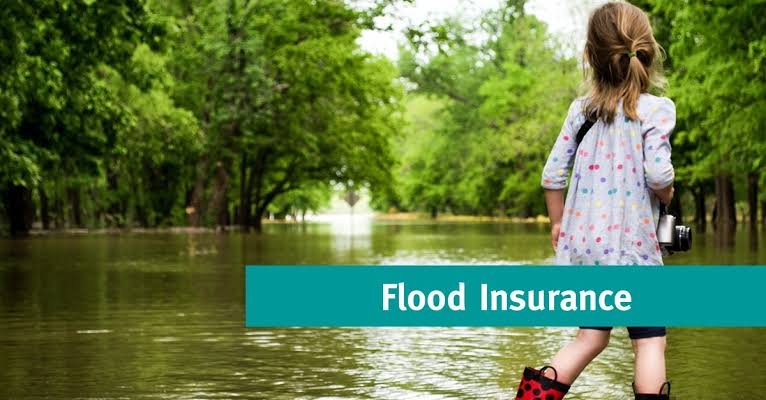
Understanding Flood Insurance
Flood insurance is a crucial policy designed to provide financial protection against floods, which can arise from various sources such as heavy rain, river overflow, or melting snow. By investing in flood insurance, homeowners and businesses can safeguard themselves from the significant financial burden that flooding can cause. Given the unpredictable nature of flooding, having a policy in place is essential for anyone living in flood-prone areas.
The importance of securing flood insurance cannot be overstated. Standard homeowners insurance does not typically cover flood damage, making a separate policy necessary for adequate protection. This is especially vital in regions that experience severe weather events or are located near bodies of water. By securing the right type of coverage, individuals can mitigate the impact of potential loss, including structural damage, damage to personal belongings, and additional living expenses incurred during repairs.
There are generally two main types of flood insurance policies available: the Building Property policy and the Personal Property policy. The Building Property policy covers the physical structure of the property itself, including the foundation, electrical and plumbing systems, as well as built-in appliances and carpeting. On the other hand, the Personal Property policy protects personal belongings, such as furniture, electronics, and clothing, up to a certain limit. Understanding these options is essential for determining the level of coverage needed for individual circumstances.
When seeking the cheapest flood insurance provider, it is important to compare coverage options, premiums, and policy limits across different insurance companies to find a well-suited plan that meets specific needs. This process ensures you not only secure the most affordable coverage but also the most comprehensive protection against the potentially devastating effects of flooding.
The Need for Flood Insurance in the U.S.
Flooding is a significant concern across various regions in the United States, impacting both homeowners and businesses alike. The Federal Emergency Management Agency (FEMA) recognizes that certain areas are at a heightened risk for flooding due to geographical and climatic conditions. This increased susceptibility often necessitates the need for flood insurance to mitigate potential financial losses.
Regions such as the Gulf Coast, Midwest, and Northeast are particularly vulnerable to flooding events, including hurricanes, heavy rains, and melting snow. For instance, cities like New Orleans, Louisiana, and Houston, Texas, are known for their history of flooding, where the risk extends beyond natural disasters to include rising sea levels and expanding urban development. As such, investing in affordable flood insurance is crucial for property owners in these areas to protect against the potentially devastating costs of flood damage.
The financial implications of flooding can be severe. Without insurance, homeowners could face substantial repair expenses, loss of personal property, and even long-term implications for their finances. Businesses, on the other hand, may encounter operational disruptions, inventory damages, and increased costs associated with recovery efforts following a flood. This emphasizes the importance of seeking out the cheapest flood insurance provider to ensure that coverage is both affordable and comprehensive.
Additionally, understanding the specific flood zones designated by FEMA can help individuals identify their risk levels and determine the necessary coverage. By being aware of the flooding risks associated with their location, homeowners and business owners can better assess their insurance options. Ultimately, navigating the process of finding the top cheapest flood insurance provider in the United States becomes a critical step in safeguarding financial stability against unpredictable flooding incidents.
Factors that Affect Flood Insurance Costs
When searching for the cheapest flood insurance provider, it is crucial to understand the various factors that impact the cost of flood insurance premiums. These factors are not only vital in assessing potential expenses but also play a significant role in assisting consumers to find the top cheapest flood insurance provider in the United States.
One of the primary factors affecting flood insurance costs is the location of the property. Properties situated in high-risk flood zones, as determined by the Federal Emergency Management Agency (FEMA), typically incur higher premiums. Conversely, homes located in lower-risk areas generally enjoy reduced rates. This correlation emphasizes the need for prospective policyholders to be well-informed about their geographic risk level in order to secure the most affordable coverage.
Another important consideration is the property value itself. Higher-value properties often face increased insurance costs due to the greater potential for financial loss in the event of flooding. Insurers assess the overall value of a home, including its structure and contents, to determine appropriate premium rates. Thus, homeowners should evaluate their coverage needs based on their property value to ensure they are not overpaying for flood insurance.
Flood zone designations are also a major determinant in evaluating flood risks. Areas designated as Special Flood Hazard Areas (SFHAs) face mandatory insurance requirements and higher premiums due to their increased risk of flood events. Conversely, properties in non-SFHAs may be eligible for lower-cost policies or even exemptions from mandatory insurance altogether.
Lastly, additional factors such as the building’s construction materials, age, and previous claims history can influence insurance rates. Newer homes built with flood-resistant materials may attract lower premiums due to their resilience against flood damage. Homeowners must consider these factors alongside their location and property value when seeking affordable flood insurance options.
Researching Flood Insurance Providers
When searching for the cheapest flood insurance provider, it is essential to employ several strategies to ensure comprehensive evaluation and selection of suitable options. One effective method is to utilize online insurance comparison tools. These platforms allow consumers to compare quotes, coverage options, and customer reviews from various providers, facilitating an informed decision-making process.
Another valuable resource is state insurance departments. These agencies can provide insights into licensed flood insurance providers in your area, as well as information on consumer protection laws and requirements specific to your state. They often maintain lists of providers, along with any relevant complaints or performance ratings, which can assist consumers significantly.
For those looking for extensive feedback and insight, consumer review websites can be instrumental. Many users share their experiences with different companies, including the claims process, customer service quality, and overall satisfaction. By reading these reviews, you can better gauge which providers consistently meet client expectations and which may fall short.
Furthermore, it may be beneficial to network and seek referrals from friends, family, or colleagues who have previously purchased flood insurance. Personal recommendations can often lead you to the top cheapest flood insurance providers simply based on firsthand experiences. Do not hesitate to ask these contacts specific questions regarding their policy details, costs, and overall service quality.
Lastly, consider reaching out to a licensed insurance agent who specializes in flood insurance. These professionals can provide tailored advice and help you navigate through various options available in the market. Agents can assist in identifying not just the cheapest flood insurance provider, but also the one that offers the most suitable coverage based on your individual needs.
Comparing Flood Insurance Quotes
When seeking the cheapest flood insurance provider, ensuring comprehensive coverage while staying within budget is crucial. A systematic approach to comparing quotes from multiple flood insurance providers can help identify the most cost-effective options tailored to your needs. Start by gathering quotes from at least three different providers to establish a clear comparison base.
When comparing quotes, focus on several key factors beyond just the premium cost. First, evaluate the coverage options each provider offers. Basic flood insurance may not cover certain items like basements or specific types of damage. Therefore, understand what is included in the policy, such as coverage for personal property, structural damages, and additional living expenses in case of temporary relocation due to flooding.
Another critical aspect to scrutinize is the deductible amounts associated with each policy. A lower premium might come with a higher deductible, which could result in out-of-pocket expenses during a claim. Assessing the deductible options helps you gauge your financial exposure in the event of a flood. Insurance providers often use different methods to calculate premiums and deductibles, emphasizing the need to clarify these details.
Additionally, consider the reputation and reliability of the insurance companies you are comparing. Researching customer reviews, checking ratings from organizations like the Better Business Bureau, and assessing the financial stability of a provider are integral in determining their capability to fulfill claims. An affordable quote loses value if the company has a history of poor customer service or claims disputes.
Lastly, inquire about any discounts or special offers that may apply to your situation, such as bundling policies or being part of specific communities at risk. Understanding these elements when comparing quotes for flood insurance is vital in your search for the cheapest flood insurance provider, ensuring that you receive both competitive pricing and adequate coverage for your needs.
Reading Policy Fine Print
Understanding the intricacies of a flood insurance policy is essential when searching for the cheapest flood insurance provider. Most individuals focus solely on the premium costs, neglecting vital details that can significantly impact their coverage. A thorough examination of the policy fine print is crucial to ensure that one fully grasps the terms and conditions associated with their coverage.
One of the primary aspects to consider is the coverage limits outlined in the policy. This defines the maximum payout for damages resulting from a flood, which can vary considerably between providers. A common mistake is selecting a policy with a lower premium but inadequate coverage limits. It is advisable to evaluate the potential impact of floods in your area to determine appropriate coverage levels that protect against substantial losses.
Additionally, exclusions in the policy are critical components that require careful scrutiny. Most flood insurance policies have specific exclusions, meaning certain events or damages may not be covered. Understanding these exclusions can prevent misunderstandings when claims are filed. For example, many policies exclude damages from sewer backups or flood-related earthquakes, which are prevalent in specific regions.
Deductibles are another key factor when learning how to find the top cheapest flood insurance provider in the United States. A deductible is the amount the insured must pay out of pocket before the insurance coverage kicks in. Higher deductibles can lower the premium of the policy but may also create a financial burden during the time of claim. It is important to balance premium costs and out-of-pocket costs when determining your financial capacity in the event of a flood.
In conclusion, a deep understanding of policy fine print is fundamental in selecting the most suitable flood insurance. This knowledge empowers consumers to make informed choices, ensuring they receive adequate protection while keeping costs manageable. Always review these essential elements and consult with insurance professionals if necessary to align your policy with your needs.
Checking Provider Reputation and Reviews
When searching for the cheapest flood insurance provider, it is vital to examine the reputation of potential insurance suppliers. Researching customer reviews, ratings, and general feedback from the industry will allow you to gain insights into the reliability and credibility of various flood insurance providers.
One effective approach to evaluating the reputation of flood insurance providers is to check online review platforms. Websites such as Yelp, Google Reviews, and the Better Business Bureau (BBB) can provide a wealth of customer experiences. Browse through the reviews, focusing on comments regarding claims processing, customer service, and overall satisfaction. A trend of negative experiences may indicate that the provider is not suitable, even if their prices are competitive.
Additionally, industry rankings and ratings from organizations that specialize in insurance analysis can be valuable resources. Look for comprehensive assessments from sources like A.M. Best or J.D. Power, as these institutions evaluate insurers on various parameters, including financial stability and customer satisfaction. These ratings can help you identify which companies consistently rank as the top cheapest flood insurance providers in the United States.
Moreover, it is advisable to engage with community forums and social media groups focused on insurance discussions. These platforms often have users sharing their personal experiences with different flood insurance companies, which can provide real-world insights that formal reviews may not capture. Through these social channels, you may also discover recommendations and warnings about specific providers that have proven beneficial or detrimental to policyholders.
In conclusion, investigating the reputation of flood insurance providers through customer reviews, third-party ratings, and direct feedback from other customers is crucial. This research is essential in making an informed decision, ensuring that you choose a reliable and affordable flood insurance provider that meets your needs without compromising on service quality.
Utilizing State and Federal Resources
When seeking the most affordable flood insurance options, understanding the availability of state and federal resources can significantly aid consumers. The federal government, through the National Flood Insurance Program (NFIP), offers policies that can often be more affordable than private insurers. By engaging with NFIP, homeowners are provided with essential coverage options while benefiting from potential subsidies for qualifying properties.
Additionally, state governments often have specific programs designed to assist residents in obtaining cheap flood insurance. Many states offer unique incentives or flood mitigation grants that can lower the overall cost of flood insurance premiums. For instance, some states participate in the Community Rating System (CRS), where communities that take proactive steps towards flood risk reduction may provide discounts on flood insurance premiums for their residents.
Moreover, resources such as the Federal Emergency Management Agency (FEMA) provide information about disaster preparedness and recovery, which can also indirectly support efforts to find the cheapest flood insurance provider. By staying informed about local flood zones and risk levels, homeowners can better understand their insurance needs and potentially lower their premiums through better risk management.
Local insurance agents can be invaluable resources as well, guiding consumers in navigating both state and federal programs to locate the top cheapest flood insurance provider in the United States. These professionals often have in-depth knowledge of available discounts and can recommend the most suitable plans based on individual circumstances.
Consider using these state and federal resources when searching for affordable flood insurance options. Engaging with these programs can bring significant savings while ensuring adequate coverage against the devastating impacts of flooding.
Tips for Securing the Best Rate
When seeking the cheapest flood insurance provider, it is essential to consider a multifaceted approach to securing the best rates. Here are some practical tips to help individuals identify the most cost-effective flood insurance options available in the United States.
Firstly, one of the most effective strategies is to bundle policies. Many insurance companies offer significant discounts when customers combine their flood insurance with other types of coverage, such as home or auto insurance. Therefore, evaluating multiple policies with the same provider can lead to lower overall premiums.
Secondly, increasing deductibles can be a viable option for lowering premium costs. A deductible is the amount an insured individual must pay before the insurance coverage kicks in. By opting for a higher deductible, policyholders can substantially reduce their monthly or annual premiums. However, it is crucial to ensure that the chosen deductible remains manageable in the event of a loss.
In addition, individuals should not hesitate to shop around. The flood insurance market can be competitive, resulting in varying rates from different providers. By comparing quotes from multiple insurance companies, potential policyholders can pinpoint the top cheapest flood insurance provider in the United States. This process may involve reaching out to agents directly or using online comparison tools designed for insurance products.
Additionally, taking steps to mitigate flood risks can positively impact insurance rates. Implementing preventative measures such as elevating structures, installing sump pumps, or adding drainage systems may assist in qualifying for lower premiums. Insurance companies often reward policyholders who take proactive measures to protect their properties.
Lastly, staying informed about local flood zones and potential changes in risk factors can help policyholders reassess their coverage needs periodically. By being proactive and diligent, individuals can find affordable flood insurance and protect their homes without jeopardizing their finances.
FAQs: Finding Affordable Flood Insurance Providers in the United States 2026
1. What is flood insurance?
Flood insurance helps cover certain flood-related damage to your home and belongings. Standard homeowners insurance typically does not cover flooding, so a separate flood policy may be necessary.
2. Why should I compare flood insurance providers?
Comparing providers can help you evaluate premiums, coverage limits, deductibles, exclusions, claims service, and available policy options so you can find suitable protection at a reasonable price.
3. How can I find affordable flood insurance in 2026?
Request quotes from multiple insurers, compare equivalent coverage levels, review deductibles and exclusions, and check whether your property qualifies for available discounts or mitigation-related savings.
4. Is flood insurance required in the United States?
Flood insurance requirements depend on factors such as your property’s location, flood risk, mortgage lender, and applicable federal or local rules. Some lenders require coverage for properties in designated high-risk flood areas.
5. Does homeowners insurance cover flood damage?
Generally, standard homeowners insurance does not cover damage caused by flooding. Homeowners should review their existing policy carefully and consider separate flood coverage when appropriate.
6. What factors affect the cost of flood insurance?
Premiums can depend on factors such as the property’s flood risk, location, elevation, building characteristics, coverage amount, deductible, and the type of property being insured.
7. Can I get affordable flood insurance if I live in a high-risk area?
Yes, coverage may still be available, although premiums can be higher in areas with greater flood risk. Comparing policies and considering appropriate deductibles and flood-mitigation measures may help manage costs.
8. What should I compare when choosing a flood insurance provider?
Compare coverage limits, building and contents protection, deductibles, exclusions, waiting periods, claims procedures, insurer reputation, and total premium costs rather than focusing only on the cheapest quote.
9. Does the National Flood Insurance Program provide flood insurance?
The National Flood Insurance Program (NFIP) provides federally backed flood insurance through participating insurers and agents. Private flood insurance is another option that may be available depending on the property and market.
10. Is private flood insurance cheaper than NFIP coverage?
Not always. Private policies can sometimes offer competitive pricing or different coverage options, but costs vary by property and insurer. Obtain comparable quotes before deciding.
11. Is there usually a waiting period for flood insurance?
Many flood insurance policies have a waiting period before coverage takes effect, although exceptions may apply in certain circumstances. Check the specific policy terms before purchasing.
12. Can renters buy flood insurance?
Yes. Renters may be able to purchase flood insurance to protect eligible personal belongings from covered flood damage, even though the building itself is generally the landlord’s responsibility.
13. Can flood insurance cover a basement?
Coverage for basements can be limited and depends on the policy and the items involved. Carefully review the policy’s basement provisions and exclusions before purchasing.
14. How can I lower my flood insurance costs?
Depending on your circumstances, you may be able to reduce costs by selecting an appropriate deductible, improving flood resilience, elevating eligible structures or equipment, and comparing quotes from multiple providers.
15. What documents or information do I need to get a flood insurance quote?
Insurers may ask for information about the property’s location, construction, occupancy, elevation, building characteristics, prior flood losses, and the coverage you want. Having accurate property information can make quote comparisons easier.
16. What is the most important factor when choosing an affordable flood insurance provider?
The best choice is not necessarily the policy with the lowest premium. Look for a balance of affordable cost, adequate coverage, manageable deductibles, clear exclusions, and reliable claims support.
17. Should I review my flood insurance every year?
Yes. Reviewing your policy annually can help ensure that coverage limits, deductibles, property information, and insurance costs still match your needs. It is also a good opportunity to compare available alternatives.


One thought on “Finding Affordable Flood Insurance Providers in the United States 2026”