
Understanding Home Insurance
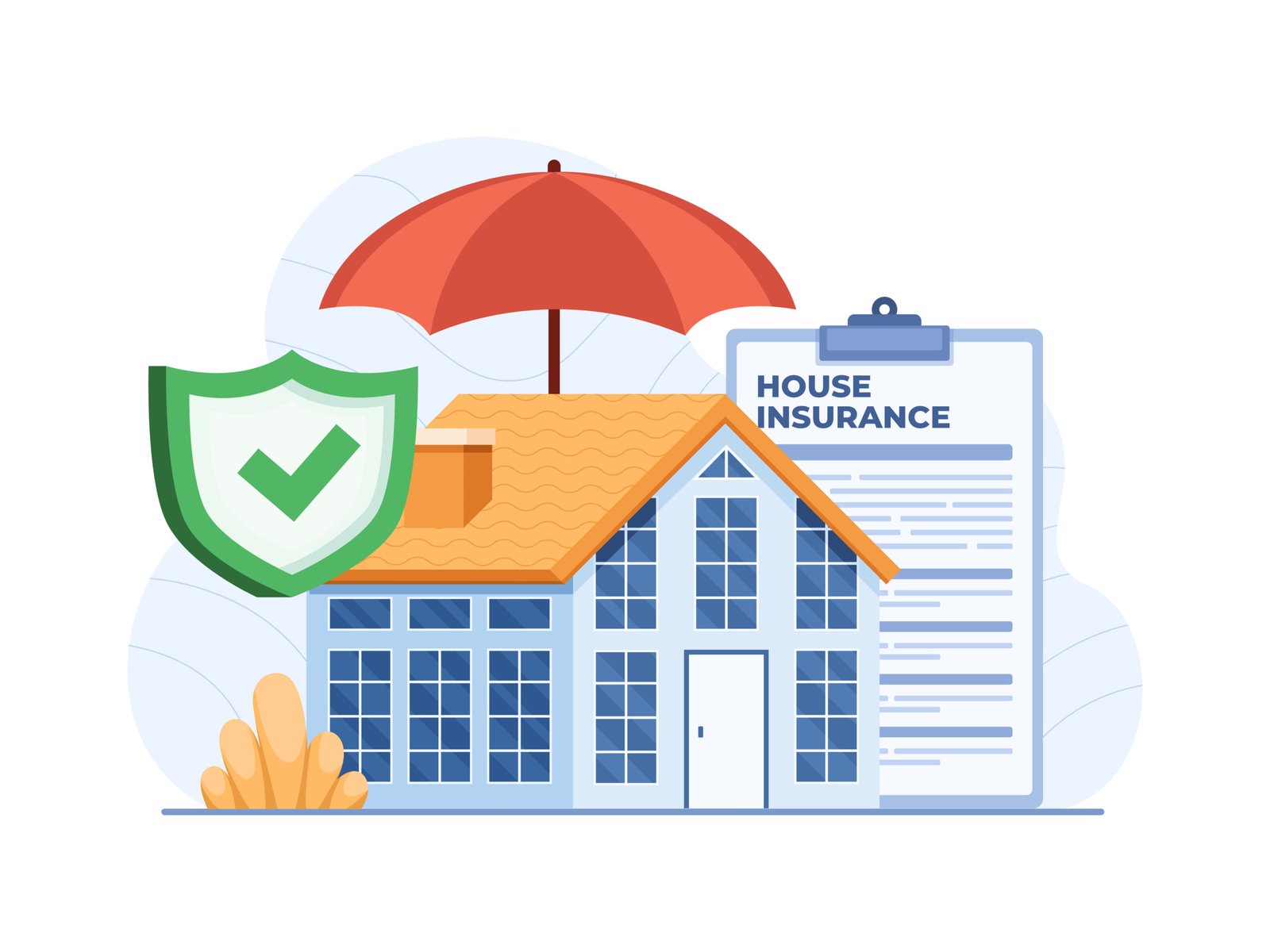
Home insurance, often referred to as homeowner’s insurance, is a vital form of coverage that protects individuals against various risks associated with owning a home. Home insurance provides financial security for homeowners, ensuring that they are not left vulnerable in the event of unforeseen circumstances. Understanding the features and benefits of home insurance companies is paramount for any homeowner looking to safeguard their investment.
The significance of home insurance cannot be overstated. It offers protection against a myriad of risks, such as natural disasters including earthquakes, hurricanes, and floods. Additionally, home insurance policies cover theft, which can lead to significant financial loss. Homeowners are also exposed to potential liability claims; for instance, if a visitor suffers an injury on their property, the homeowner may be held responsible for the associated medical expenses. Home insurance not only provides peace of mind but also promotes overall financial stability.
Home insurance typically encompasses several types of coverage. The most common is dwelling coverage, which protects the structure of the home itself. Personal property coverage extends beyond the walls of the home, protecting the homeowner’s personal belongings within the property. Another crucial component is liability protection, which covers legal fees arising from lawsuits due to injuries or property damage. Finally, additional coverages, such as loss of use, provide homeowners with temporary housing expenses if their home becomes uninhabitable due to a covered event. With varying policies available, it’s essential to compare home insurance companies to determine which provider offers the best coverage, costs, and discounts tailored to individual needs. By evaluating home insurance companies’ offerings, homeowners can make informed choices, ensuring adequate protection for their home and family.
Key Coverage Options Explained
When selecting from various home insurance companies, it is crucial to understand the different coverage options that are available to homeowners. These options can significantly impact both the extent of protection and the overall cost of the policy. This section will explain the primary types of coverage found in most home insurance policies, including dwelling coverage, personal property coverage, liability coverage, and additional living expenses.
Dwelling Coverage is the foundation of any home insurance policy. This type of coverage protects the structure of the home itself, including walls, roof, floors, and other integral components. When comparing home insurance companies, it is essential to determine the dwelling coverage limit to ensure it reflects the home’s rebuilding costs in the event of a total loss.
Personal Property Coverage generally safeguards the homeowner’s personal belongings within the home, such as furniture, electronics, and clothing. This coverage is typically offered at actual cash value or replacement cost, so understanding how each home insurance company calculates this can help in making an informed decision. It is also important to note any exclusions or limitations for high-value items, which may require additional endorsements or separate policies.
Liability Coverage protects homeowners against legal claims resulting from injuries or property damage incurred on their property. For example, if a guest gets injured while visiting, this coverage can help cover medical bills or legal fees. This essential protection can vary significantly among home insurance companies compared, so reviewing the liability limits and terms is imperative.
Finally, Additional Living Expenses (ALE) coverage provides assistance to homeowners who must temporarily relocate due to damage covered under their policy. This coverage can help with costs such as hotel bills and meals that exceed the homeowner’s normal living expenses during the repair period. As you assess home insurance companies compared: coverage, costs, and discounts, understanding ALE is vital for ensuring you have a safety net in case of unexpected disruptions.
Cost Factors Influencing Home Insurance Premiums
When assessing home insurance companies, one must consider various cost factors that significantly impact the premiums charged. These elements can widely vary depending on individual circumstances and geographical regions. Understanding these factors is crucial for homeowners in making informed decisions when comparing different home insurance companies.
One of the primary aspects affecting home insurance costs is location. Insurers often evaluate the area’s propensity for natural disasters, crime rates, and proximity to emergency services. For example, homes situated in flood-prone areas or regions frequently affected by hurricanes might face higher premiums due to the increased risk of damage. Homeowners should analyze local market conditions and insurance availability to gauge how their location influences their coverage options.
The age and condition of a home are also critical determinants of insurance premiums. Older homes or those in poor condition may cost more to insure due to outdated electrical and plumbing systems, which can increase the risk of fire or water damage. Renovations, modern safety features, and overall upkeep can mitigate these risks and potentially lower premium costs. When comparing home insurance companies, it is vital for homeowners to provide accurate information regarding their property’s state to receive appropriate quotes.
Construction materials play a significant role in the evaluation of home insurance costs. Homes built with fire-resistant materials or those that comply with current safety standards may attract lower premiums. Insurers typically assess whether a structure is made of wood, brick, or other materials, as this influences repair costs and potential claims. Homeowners should be aware that investing in better construction materials and practices can yield long-term savings on insurance.
Finally, a homeowner’s claims history is often scrutinized by home insurance companies when determining premiums. A record of frequent claims can signal higher risk to insurers, leading to increased rates or even difficulty in obtaining coverage altogether. Conversely, a clean claims history can help secure more favorable rates, so maintaining a responsible ownership record is beneficial for financial considerations.
How to Compare Home Insurance Policies
When evaluating home insurance companies, a systematic approach can facilitate an informed decision about the best policy for your needs. Start by gathering multiple quotes from various home insurance companies. This initial step allows you to establish a benchmark for coverage options and price variations available in the market. It is essential to request detailed quotes that outline not just the premium costs but also the specifics of what each policy covers.
Next, scrutinize the policy terms. Every home insurance company may have varying terms regarding coverage limits, deductibles, and exclusions. Pay particular attention to the exclusions section as it outlines situations and damages that are not covered under the policy. For instance, some policies might not cover natural disasters like floods or earthquakes unless explicitly stated. This detail is crucial for determining whether a policy meets your needs.
An equally vital factor is the coverage limits for your home and personal belongings. Ensure you understand how much the policy will pay in the event of a claim. Compare these limits across different home insurance companies compared; you may find a policy with a lower premium that offers reduced coverage limits, which could lead to financial difficulties in the case of significant damages.
Additionally, evaluate any additional features or endorsements that may be available, such as coverage for personal property, replacement cost versus actual cash value, and liability coverage. These elements can significantly impact both the protection a policy offers and its cost. Lastly, consider potential discounts that various home insurance companies may offer, such as multi-policy discounts or loyalty benefits, as these can further influence your decision.
In summary, comparing home insurance policies requires a thorough review of policy terms, limits, and exclusions. By employing a methodical approach, you can ensure that the policy you choose provides comprehensive coverage tailored to your specific requirements at a competitive cost.
Discounts Offered by Home Insurance Companies
Home insurance companies provide various discounts that can significantly reduce policy costs for homeowners. These discounts are often based on specific criteria that demonstrate responsible ownership and risk management. Understanding these can help homeowners save money on their insurance premiums.
One of the most common discounts available is the multi-policy discount. Many insurers offer a reduction in premiums when customers bundle their home insurance with other policies, such as auto or life insurance. This not only incentivizes homeowners to consolidate their policies but also often leads to considerable savings. For example, insurers like State Farm and Allstate provide multi-policy discounts that can sometimes reach up to 20% off the total premium.
Another prevalent discount is related to home safety improvements. Insurance providers recognize that well-maintained homes with safety features pose a lower risk, and as such, they offer discounts to policyholders who invest in security systems, fire alarms, or deadbolts. For instance, if a homeowner installs a monitored security system, companies like Liberty Mutual may offer a discount, resulting in lowered premiums.
Claims-free discounts are also an essential aspect of home insurance savings. Homeowners who maintain a claims-free history for a certain number of years can receive a discount that acknowledges their responsible behavior. Insurers such as Farmers Insurance typically reward customers with lower premiums for not filing claims, which encourages customers to be diligent about property maintenance and minimizes the overall claims risk.
It is advisable for homeowners to review their coverage annually and inquire about all available discounts that home insurance companies can offer. By doing so, they can ensure they are taking full advantage of potential savings while also safeguarding their property effectively.
Top Home Insurance Companies Reviewed
When considering home insurance, it’s crucial to evaluate various options available in the market. The home insurance companies compared in this section include some of the most notable providers, each with distinct offerings in terms of coverage, costs, and customer service. Understanding these aspects can help homeowners make an informed decision.
State Farm is often recognized for its comprehensive coverage options, including customizable policies that allow homeowners to select specific protections that suit their needs. One of the advantages of State Farm is its extensive provider network, which can lead to efficient claims processing. However, some customers have reported higher premium costs compared to other companies.
Geico is typically associated with competitive pricing and attractive discounts, especially for bundling home insurance with auto insurance. Their user-friendly online platform makes it easy to obtain quotes and manage policies. Nevertheless, while Geico has decent customer service ratings, some users have expressed concerns regarding the adequacy of coverage when it comes to specialized risks.
Another strong contender in the realm of home insurance companies is Allstate, known for its robust customer service and numerous discount opportunities. Allstate offers unique features such as the option for a claim-free rewards program. However, their pricing can be on the higher end, and the variation in customer experiences suggests that it may not suit everyone.
Liberty Mutual stands out for its wide range of coverage options and discounts, especially for new homeowners. They provide several additional coverage add-ons that can be tailored to specific needs. While their customer service has generally received positive feedback, there are mixed reviews concerning the overall claims process.
Finally, Progressive provides a fresh perspective in home insurance with its innovative quoting system and price comparison tools. Known for their competitive rates, they make it easier for homeowners to explore different policy features. However, like Geico, some users have mentioned potential limitations in coverage options for complex situations.
In summary, these home insurance companies are all noteworthy contenders, each bringing their strengths and weaknesses to the table. Homeowners should carefully consider these factors when selecting the best option to ensure adequate protection while also securing competitive pricing and satisfactory customer service experiences.
The Importance of Home Insurance Reviews
When evaluating various home insurance companies, one crucial factor that often influences the decision-making process is customer reviews. These reviews provide real-life insights into the experiences of policyholders, revealing the level of service, reliability, and overall satisfaction. In the context of home insurance companies compared: coverage, costs, and discounts, reviews can significantly impact an individual’s choice of provider.
Customer ratings highlight essential aspects such as claims processing efficiency, responsiveness of customer service, and ease of understanding policy details. For instance, a company may offer attractive premiums; however, poor reviews regarding claims support may lead potential customers to reconsider their options. Therefore, aggregating consumer feedback helps to illustrate the practical benefits and drawbacks of each insurer.
To find reliable reviews on home insurance companies, prospective policyholders can utilize various sources. Websites dedicated to insurance comparisons often provide in-depth analysis and user testimonies, creating a straightforward platform for assessing different providers. Customer forums and social media platforms also serve as valuable tools, as they allow users to share their experiences and advice regarding specific companies. Additionally, ratings from reputable organizations such as the Better Business Bureau (BBB) or J.D. Power serve as trusted metrics for evaluating home insurance companies.
Furthermore, it is advisable to look for reviews that specifically mention factors of interest, such as claims experience or long-term policyholder satisfaction. This targeted approach ensures that the insights gained align more closely with the reader’s needs and concerns. By diligently reviewing customer feedback, individuals can make better-informed decisions, ultimately leading to a more satisfactory experience with their chosen home insurance provider.
FAQs About Home Insurance
Home insurance is a crucial component for homeowners, providing financial protection against various risks. Many people have questions regarding the specifics of home insurance policies. One common inquiry is about the duration of these policies. Most home insurance companies offer annual policies, typically requiring renewal every twelve months. Homeowners need to review their coverage and financial situation at renewal to make necessary adjustments.
Another frequently asked question pertains to the claim process. When damage occurs, it is vital to understand how to file a claim correctly. Typically, homeowners should report the incident to their insurance provider as soon as possible. Most home insurance companies have streamlined processes that allow policyholders to file claims online or via phone. After filing a claim, the company will assign an adjuster to assess the damages and determine the compensation amount based on the policy coverage.
Homeowners also often seek clarity on how to dispute a claim denial. In situations where a claim is rejected, policyholders have the right to appeal the decision. It usually begins by contacting the insurer for a thorough explanation, reviewing the policy terms, and understanding the reasons behind the denial. Home insurance companies typically outline a dispute process in their policy documents, and following these guidelines can assist in resolving misunderstandings.
Another area of concern for many is the impact of claims on future insurance costs. It is essential to know that filing multiple claims may lead to increased premiums, as insurers assess the risk profile of the homeowners. This potential increase may motivate some individuals to manage smaller repairs independently rather than seeking insurance payouts.
In summary, understanding the intricacies of home insurance is invaluable for safeguarding one’s property. By addressing these common questions, homeowners can navigate their policies with greater confidence, ensuring adequate coverage and smooth claim experiences with their chosen home insurance companies.
Tips for Choosing the Right Home Insurance
Selecting the right home insurance is a crucial step for homeowners, as it provides a safeguard against various risks associated with property ownership. To begin with, it is important to assess your specific needs and requirements. Each homeowner’s situation is unique, which means that the coverage offered by different home insurance companies may vary in relevance and suitability. Understanding your individual circumstances can help in identifying the necessary coverage types and amounts.
One of the key considerations is to evaluate the coverage options provided by various home insurance companies. This includes understanding the differences in dwelling coverage, personal property protection, liability coverage, and additional living expenses. It is advisable to inquire about any endorsements or additional coverage options that may be available, as they can enhance protection specifically tailored to your home’s features and risks.
Additionally, comparing costs among home insurance companies is essential. When reviewing quotes, it is not only about the price but also about the level and extent of coverage offered. A lower premium might appear attractive initially, but it may result in insufficient protection. Home insurance companies compared should be evaluated based on their pricing structures and whether they provide value for money through appropriate coverage and discounts.
On the topic of discounts, many home insurance companies offer various savings opportunities. These can include discounts for bundling policies, security systems, or long-term customer loyalty. Homeowners should inquire about all available discounts, as these can significantly lower premiums without compromising essential coverage.
Lastly, it is advisable to read customer reviews and check industry ratings for the selected home insurance companies. A reputable company will have a track record of customer satisfaction and prompt claims processing. This aspect can prove vital when it comes time to file a claim, ensuring that the insurance provider will honor their commitments efficiently. Through thorough research and thoughtful comparisons, homeowners can make informed decisions that adequately address their unique needs.
FAQs: Comparing Home Insurance Companies: A Comprehensive Guide to Coverage, Costs, and Discounts
1. Why should I compare home insurance companies?
Comparing home insurance companies can help you find a policy that offers the right combination of coverage, price, deductibles, discounts, customer service, and financial strength. The cheapest policy isn’t always the best value.
2. What does a standard home insurance policy typically cover?
A standard homeowners policy may provide coverage for the home’s structure, other structures, personal belongings, additional living expenses, and personal liability, subject to policy terms, limits, exclusions, and deductibles.
3. How much does home insurance cost?
Home insurance premiums vary based on factors such as your home’s location, replacement cost, age and construction, claims history, coverage limits, deductible, and insurer. Comparing personalized quotes is the best way to determine your potential cost.
4. What factors affect home insurance rates?
Common factors include the property’s location, rebuilding cost, roof condition, home characteristics, claims history, selected coverage limits, deductible, security features, and applicable insurance regulations.
5. How can I find affordable home insurance?
Request quotes from several insurers, compare equivalent coverage, ask about available discounts, consider an appropriate deductible, and review your policy annually. Avoid reducing important coverage simply to obtain a lower premium.
6. What home insurance discounts should I look for?
Depending on the insurer, discounts may be available for bundling policies, installing security systems, having certain safety devices, maintaining a claims-free history, or making eligible home improvements. Discounts vary by company and location.
7. Is a higher deductible a good way to lower home insurance costs?
A higher deductible can reduce your premium in many cases. However, you should choose a deductible you could realistically afford to pay after a covered loss.
8. Should I compare coverage limits when comparing insurers?
Yes. Comparing premiums without comparing coverage can be misleading. Make sure quotes use similar dwelling, personal property, liability, and additional living expense limits, as well as comparable deductibles.
9. Does home insurance cover floods and earthquakes?
Standard homeowners insurance generally does not cover flood damage, and earthquake coverage is often excluded or requires separate coverage. Availability and options depend on your location and insurer.
10. How important are customer reviews when choosing a home insurance company?
Customer feedback can provide useful insight into claims experiences and service, but it shouldn’t be the only factor. Consider complaints, claims handling, coverage options, pricing, financial strength, and policy terms as well.
11. Should I consider an insurer’s financial strength?
Yes. Financial strength can indicate an insurer’s ability to meet its obligations, including paying covered claims. Independent financial-strength ratings can be useful when comparing companies.
12. Can bundling home and auto insurance save money?
Potentially. Many insurers offer multi-policy discounts when customers combine home and auto coverage. Compare the bundled price with other insurers to determine whether the overall savings are worthwhile.
13. How often should I compare home insurance companies?
Review your coverage at least once a year and whenever your circumstances change significantly. Major renovations, new valuables, changes in household members, or significant changes in property value may be reasons to reassess your policy.
14. What should I look for besides the lowest premium?
Look at coverage limits, exclusions, deductibles, replacement-cost provisions, discounts, claims service, customer satisfaction, financial strength, and total policy cost. A slightly higher premium may provide substantially better protection.
15. How can I make a fair comparison between home insurance companies?
Gather quotes using the same property information and comparable coverage limits. Then compare the premium, deductible, coverage, exclusions, discounts, policy features, and insurer reputation side by side before making a decision.