
Understanding Why You May Want to Switch
Switching car insurance companies can often be a significant decision for many drivers across the United States. One of the primary motivations for considering a new provider is the potential for better pricing. As individuals review their budgets or experience shifts in their financial situations, finding more affordable car insurance options becomes crucial. Competitive rates offered by various insurance companies might also yield savings that can be utilized elsewhere.
Another reason individuals contemplate how to switch car insurance companies is the desire for improved coverage options. As life circumstances evolve, the need for specific types of coverage may arise. For instance, new drivers, changes in occupation, or even modifications to a vehicle can necessitate a re-evaluation of insurance policies. Finding a company that better addresses these needs can result in more tailored and applicable coverage.
Customer service experiences can significantly impact a policyholder’s decision to switch. Many individuals report dissatisfaction with their current provider’s service quality, either due to slow claims processing, lack of responsiveness, or ineffective communication. The pursuit of a more customer-centric insurance company can often lead drivers to explore their options for how to switch car insurance companies in the United States efficiently.
Moreover, external factors such as market competition, economic changes, and legislative updates can provide incentives for individuals to evaluate their current policies. As new players enter the market or existing companies adjust their offerings, it may be an opportune moment for drivers to reassess their choices. Understanding these factors can empower individuals to make informed decisions regarding their auto insurance needs.
Researching New Insurance Options
When considering how to switch car insurance companies, it is essential to conduct thorough research on potential new insurers. The process of selecting a car insurance provider should not be rushed, as it significantly impacts your financial security and peace of mind. Start by utilizing online comparison tools that allow you to view various policy options from numerous companies side by side. These tools can help simplify your decision-making process by highlighting the differences in coverage, prices, and deductibles.
In addition to comparison websites, reaching out to friends, family, or colleagues for personal recommendations can provide valuable insights. Their experiences with different insurers can help you discern which companies are reputable and provide quality customer service. Discussing their positive or negative encounters can guide you in finding a provider that suits your needs.
Furthermore, reading customer reviews on trusted platforms can offer a wealth of information regarding a company’s reliability and service quality. Look for reviews that address claim processing times, customer support responsiveness, and overall satisfaction. These factors are crucial when assessing how well a company addresses the needs and concerns of their clients.
To ensure you have a well-rounded understanding of potential insurers, consider checking their financial stability ratings through sources like A.M. Best or Standard & Poor’s. A company with a solid financial rating is better positioned to handle claims and maintain its operations during turbulent times. Lastly, it is advisable to explore any discounts that could be available to you, such as bundling policies or safe driver discounts, which could reduce your premiums significantly.
Evaluating Coverage Needs
When considering how to switch car insurance companies, a critical first step is evaluating your current insurance coverage. This evaluation helps ensure that your future policy meets your specific needs while complying with state regulations. Understanding your existing coverage allows you to identify gaps or unnecessary components that can affect your financial protection and overall costs.
Each state has established minimum coverage requirements that car insurance policies must meet. Familiarizing yourself with these requirements is essential, as they are designed to protect you and other drivers in the event of an accident. In the United States, these minimums can differ significantly by state. For example, some states mandate liability coverage, while others require personal injury protection or uninsured motorist coverage. Ensuring you meet these minimums is crucial before making any decisions about switching providers.
Beyond the minimum requirements, it is wise to assess whether you need additional coverage options. Many drivers find benefits in choosing comprehensive or collision coverage, which can save them from significant out-of-pocket expenses in the event of a total loss or damage to their vehicle. Other options, such as roadside assistance, rental car reimbursement, or gap insurance, also deserve consideration based on your personal circumstances and driving habits.
Furthermore, your current situation may necessitate specific types of coverage or higher limits. Factors such as the age and condition of your vehicle, your driving frequency, and your financial situation should all be taken into account. After a thorough analysis of both state requirements and personal needs, you will be better equipped to explore available policies, thus aiding you in understanding how to switch car insurance companies in the United States effectively and efficiently.
Comparing Quotes from Different Providers
Obtaining and comparing quotes from various car insurance companies is an essential step for anyone contemplating how to switch car insurance companies. The process allows for a thorough assessment of what different providers offer, ensuring you select a plan that best meets your needs while remaining budget-friendly.
When you start collecting insurance quotes, be sure to look at the three main components: premiums, deductibles, and the terms of service. The premium is the amount you pay periodically for your insurance coverage, and it can vary significantly between different providers. Ensure you understand how premiums are influenced by factors such as your driving history, the type of vehicle you drive, and even your credit score. Comparing these figures is crucial in determining the most financially viable option.
Deductibles, on the other hand, represent the amount you are liable to pay out of pocket before your insurance kicks in. A lower deductible often results in higher premiums and vice versa. It is important to assess what deductible amount you are comfortable with, as it can greatly affect both your monthly expenses and your potential out-of-pocket costs in the event of a claim. Balancing premiums with deductibles is key to making an informed decision on how to switch car insurance companies in the United States.
Additionally, consider the terms of service associated with each quote. This includes understanding the coverage limits, exclusions, and any additional fees that may apply. Some insurance companies may offer extras such as roadside assistance or rental car coverage, which can add significant value to your policy. Carefully reading and comparing the terms can prevent unexpected surprises and ensure you have adequate coverage.
In conclusion, thoroughly comparing quotes from different insurance providers is fundamental in the process of switching car insurance companies. By focusing on premiums, deductibles, and service terms, you can make a well-informed choice that aligns with both your financial needs and insurance requirements.
Understanding the Terms of Cancellation
When considering how to switch car insurance companies, it is essential to understand the terms of cancellation associated with your current insurance policy. Canceling your existing policy is a crucial step in the process, and being informed will help you avoid potential pitfalls.
Most insurance providers require a formal notice of cancellation. This notice can typically be provided through various means such as a phone call, written letter, or an online request, depending on the specific guidelines of your insurer. It is advisable to read the policy document thoroughly to ensure compliance with the outlined procedures. Furthermore, some insurers may require you to submit a signed cancellation request.
In addition, be aware that your current insurance company may impose cancellation fees. These fees can vary widely based on the insurer and the remaining term of your policy. You should inquire about any early termination fees to fully comprehend the financial implications of switching. Furthermore, it is prudent to ask your current insurer about any potential refunds for the unused portion of your premium upon cancellation.
It is also important to take note of the notice period required by your insurer before the cancellation takes effect. Many providers stipulate a minimum notice period, often ranging from a few days to a month. Ensure that you submit your cancellation request within this time frame to avoid any extension of coverage that may lead to additional premiums. Processing times may vary, so it is best to initiate this process well in advance of your desired switch date.
By understanding the terms of your cancellation, you can effectively manage the transition when learning how to switch car insurance companies in the United States. This knowledge empowers you to make informed decisions and to navigate the often complex landscape of car insurance smoothly.
Timing your Switch Appropriately
When considering how to switch car insurance companies, timing plays a crucial role in ensuring a seamless transition while avoiding any gaps in coverage. One of the most significant factors to keep in mind is the need to avoid any lapse in insurance coverage. A lapse can lead to penalties, higher rates, or even difficulty in obtaining new insurance, as insurers typically look unfavorably on any periods where a driver is uninsured.
It is essential to coordinate your new policy start date with the cancellation of your current policy. Ideally, the new policy should begin before the existing one ends. This way, you maintain continuous coverage, which is vital not only for legal driving requirements but also for your financial protection.
Another consideration when deciding how to switch car insurance companies in the United States is your current billing cycle. Most insurance companies have specific billing schedules, and switching mid-cycle can result in prorated charges or even additional fees. Review your current insurer’s policy to determine when the billing cycle ends and time your switch accordingly to minimize potential charges.
The time of year can also affect your decision on when to switch car insurance companies. For instance, during certain times of the year, such as holidays or peak driving seasons, insurers may offer promotions that can lead to lower premiums. Conversely, switching during winter months when claims may rise due to adverse weather conditions could potentially result in less favorable rates. Thus, analyzing market trends and evaluating your specific needs during different times of the year can lead to a more beneficial decision.
Ultimately, planning and awareness of these timing factors are essential in the process of switching your car insurance. By ensuring coverage continuity, understanding billing cycles, and being mindful of seasonal implications, you can successfully navigate the transition to a new insurer without incurring unnecessary risks.
Initiating the New Policy
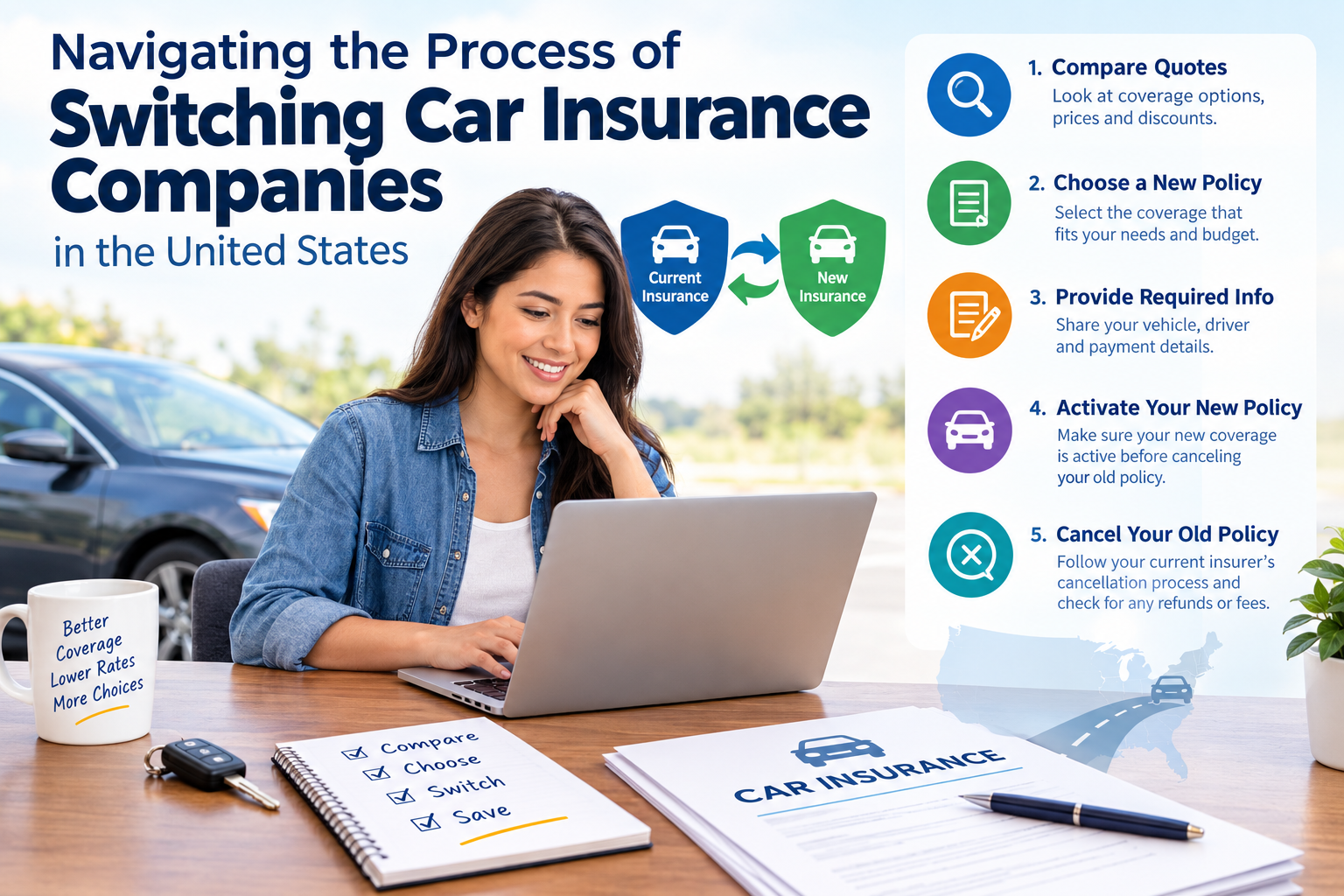
Once you have decided to switch car insurance companies, the next critical step involves initiating your new policy. This process requires careful attention to detail to ensure that you have continuous coverage while transitioning from your old policy to the new one.
First, you need to submit all required documents to your new insurer. Commonly required information includes a valid driver’s license, details about your vehicle, and previous insurance policy information. While the requirements may vary by company, having these documents ready will expedite the initiation process.
After you submit the necessary documentation, you will typically be asked to make the first payment for your new policy. This payment can often be made through various channels, such as online, via phone, or by mailing a check, depending on the insurance provider’s options. It is important to confirm the payment method and ensure that it processes successfully to activate your coverage right away.
Once the payment is processed, you should receive confirmation from your new car insurance company that your policy is active. This confirmation may come via email, postal mail, or through a policy management portal on the insurer’s website. Ensure that you carefully review the policy documents and verify that all details are correct. The effective date of the new coverage is crucial, as it specifies when your insurance becomes active and protects you on the road.
Before you consider canceling your old policy, confirm that your new insurance is in effect. It may be wise to retain both policies for a short period to avoid any lapses in coverage. After receiving confirmation that your new policy is active, you can proceed to inform your current insurer of your decision to cancel the old policy, thereby completing your transition to the new insurance company.
Confirming Coverage and Policy Details
After successfully switching car insurance companies, it is essential to confirm the new policy’s details to ensure adequate coverage and avoid any potential issues in the future. The transition to a new insurer requires careful attention to the specifics outlined in the policy documents.
First and foremost, verify that all agreed-upon terms are documented in writing. This means reviewing the policy documents thoroughly to check for coverage limits, deductibles, premium amounts, and any applicable discounts. Understanding these elements is vital in ensuring that your new policy meets your needs and provides the protection necessary while driving on the roads in the United States.
Additionally, pay close attention to any exclusions or conditions that might have changed in the new policy compared to your previous one. Knowing what is covered and what isn’t can help avoid unexpected liabilities in case of an accident. It’s advisable to highlight key sections of the policy document that outline essential information. This can help for easy reference in the future when needing clarification on terms and coverage.
As you review your policy, check for the accuracy of your personal information, vehicle details, and the effective date of the new coverage. Confirming that there are no errors or omissions is crucial to ensuring that you are properly insured. Once you have thoroughly scrutinized the documents, consider storing your insurance information securely. Organizing your policy documents in a dedicated folder, either physically or digitally, can facilitate easy access when needed.
In conclusion, confirming your new car insurance coverage and policy details is a critical step in successfully switching car insurance companies. Taking time to review the terms, understand the coverage, and secure your documents can provide peace of mind and ensure you are prepared for the road ahead.
Avoiding Common Pitfalls When Switching
Switching car insurance companies can be a daunting task, but avoiding common pitfalls can simplify the process considerably. One of the first mistakes that many individuals make is not shopping around enough. It is essential to explore various insurance providers to compare rates, policies, and benefits. Each company has different pricing models and coverage options, and failing to consider multiple quotes may lead to overpaying for a policy that does not fully meet your needs.
Another significant error is misunderstanding coverage limits. When switching, it’s crucial to ensure that you fully comprehend the implications of your coverage choices. For instance, opting for lower premiums often means accepting higher deductibles or lesser coverage limits, which may expose you to higher out-of-pocket expenses in the event of an accident. Therefore, take the time to analyze what each policy offers, focusing on both the premium costs and the protection levels you will receive.
Additionally, neglecting to consider reviews and ratings of car insurance companies is a frequent oversight. Customer feedback can provide valuable insights into the reliability and quality of service offered by different insurers. Insurance companies may advertise competitive prices, but the true test lies in their claims handling, customer service, and overall satisfaction rates. Websites that aggregate customer reviews can help you gauge the experiences of others in order to ensure that you are making an informed decision.
In summary, when learning how to switch car insurance companies in the United States, avoiding these common pitfalls is key. By shopping around for quotes, carefully reviewing coverage limits, and paying attention to company ratings and reviews, you will enhance your chances of finding a policy that is both suitable and cost-effective for your specific needs.
Frequently Asked Questions
1. When is the best time to switch car insurance companies?
You can generally switch car insurance at any time, although it may be convenient to compare policies before your current policy renews. Review your current policy’s cancellation terms and make sure the new policy is active before ending the old one.
2. Can I switch car insurance companies before my current policy expires?
Yes. In most cases, you can switch before your policy expires. Depending on your insurer and state, cancellation fees or other conditions may apply, so check your policy before making the change.
3. Will I receive a refund if I cancel my car insurance early?
You may receive a refund for unused premium if you have prepaid for coverage. The amount depends on your insurer, policy terms, and applicable state rules. Some insurers may also deduct cancellation fees.
4. How do I switch car insurance companies?
Start by comparing quotes and coverage from different insurers. Choose a policy that meets your needs and state requirements, set its effective date, purchase the policy, and then cancel your existing policy after confirming that the new coverage is active.
5. Should I cancel my old car insurance before buying a new policy?
No. To avoid a lapse in coverage, purchase and confirm the new policy first. Once the new coverage is active, arrange for your previous policy to be canceled.
6. Can switching car insurance save me money?
It can. Premiums vary among insurers based on factors such as location, driving history, vehicle, coverage selections, deductibles, and discounts. Compare policies based on both price and coverage rather than price alone.
7. Will switching car insurance affect my credit score?
Requesting insurance quotes does not generally work the same way as applying for a traditional loan. However, insurers may use insurance-based credit information where permitted by state law. The specific rules vary by state.
8. Do I need to tell my lender or leasing company when I switch insurers?
If your vehicle is financed or leased, you may need to provide the new insurer’s information to your lender or leasing company. Your lender typically requires continuous physical-damage coverage under the terms of the financing or lease agreement.
9. Will I lose my safe-driver or loyalty discount when I switch?
Potentially. Discounts vary by insurer, and a discount with your current company may not transfer to a new insurer. Ask each insurer which discounts you qualify for before comparing final premiums.
10. Can I switch car insurance if I have an accident or claim?
You can generally shop for another insurer after an accident or claim, although your recent driving and claims history may affect the rates and eligibility offered by another company.
11. What documents do I need when switching car insurance?
You may need information such as your driver’s license details, vehicle identification number (VIN), current insurance information, vehicle registration, driving history, and details about other drivers and vehicles on the policy.
12. What happens if there is a gap between my old and new car insurance policies?
A gap can leave you without required coverage and may create financial and legal consequences depending on your state. It can also affect future insurance costs. Make sure the replacement policy begins before the old policy ends.
13. Does switching car insurance companies affect my driving record?
Changing insurers does not change your driving record. However, the new insurer may review your driving and claims history when determining your eligibility and premium.
14. Can I switch car insurance companies online?
Many insurers allow customers to obtain quotes, purchase policies, provide documents, and manage cancellations online. Availability and requirements vary by insurer and state.
15. What should I compare before switching car insurance?
Compare more than the monthly premium. Review liability limits, collision and comprehensive coverage, deductibles, uninsured/underinsured motorist coverage, exclusions, discounts, claims service, and policy terms to make sure you are comparing similar coverage.
16. Is it possible to switch car insurance companies without a penalty?
Often, yes, but cancellation terms vary. Check your existing policy for cancellation fees, notice requirements, and refund provisions before switching.
17. Does my insurance history matter when changing companies?
Yes. Insurers may consider your prior insurance history, claims history, and driving record when determining eligibility and pricing. Maintaining continuous coverage can also be important.
18. How long does it take to switch car insurance companies?
The actual purchase of a new policy can often be completed quickly, but the overall process depends on obtaining quotes, providing information, selecting coverage, and coordinating the effective and cancellation dates.
Read More: