
What is Liability Insurance?
Liability insurance is a critical financial safeguard for small businesses, providing protection against claims resulting from injuries or damages that the business may cause to third parties. The purpose of this type of insurance is to cover legal costs and any settlements or judgments awarded in a lawsuit, thereby shielding a business’s assets and its financial health.
Small businesses in the United States face various risks, making liability insurance an essential component of their overall risk management strategy. Public interactions, employee conduct, and the products offered all carry the potential for accidents and claims, underlining the necessity of having appropriate coverage. Specifically, the types of liability insurance include general liability, professional liability, and product liability, each playing a distinct role.
General liability insurance, often deemed fundamental, protects businesses from claims involving bodily injuries and property damage to third parties. This form is particularly vital for small businesses that frequently interact with clients and customers. On the other hand, professional liability insurance caters specifically to businesses that provide professional services, safeguarding against claims of negligence or inadequate work. This coverage can be invaluable for service-oriented businesses that may encounter lawsuits related to client satisfaction.
Lastly, product liability insurance is crucial for businesses that manufacture or sell products. It protects against claims of injury or damage caused by products sold or supplied by the business. This insurance helps cover the costs associated with legal defense if claims arise from the use of the goods. Understanding how much is liability insurance for a small business is essential to ensure adequate protection against potential exposures.
The importance of liability insurance cannot be overstated; it serves as a foundation for business stability and risk management, allowing small businesses to operate with confidence while mitigating potential financial burdens.
Factors Influencing Liability Insurance Costs
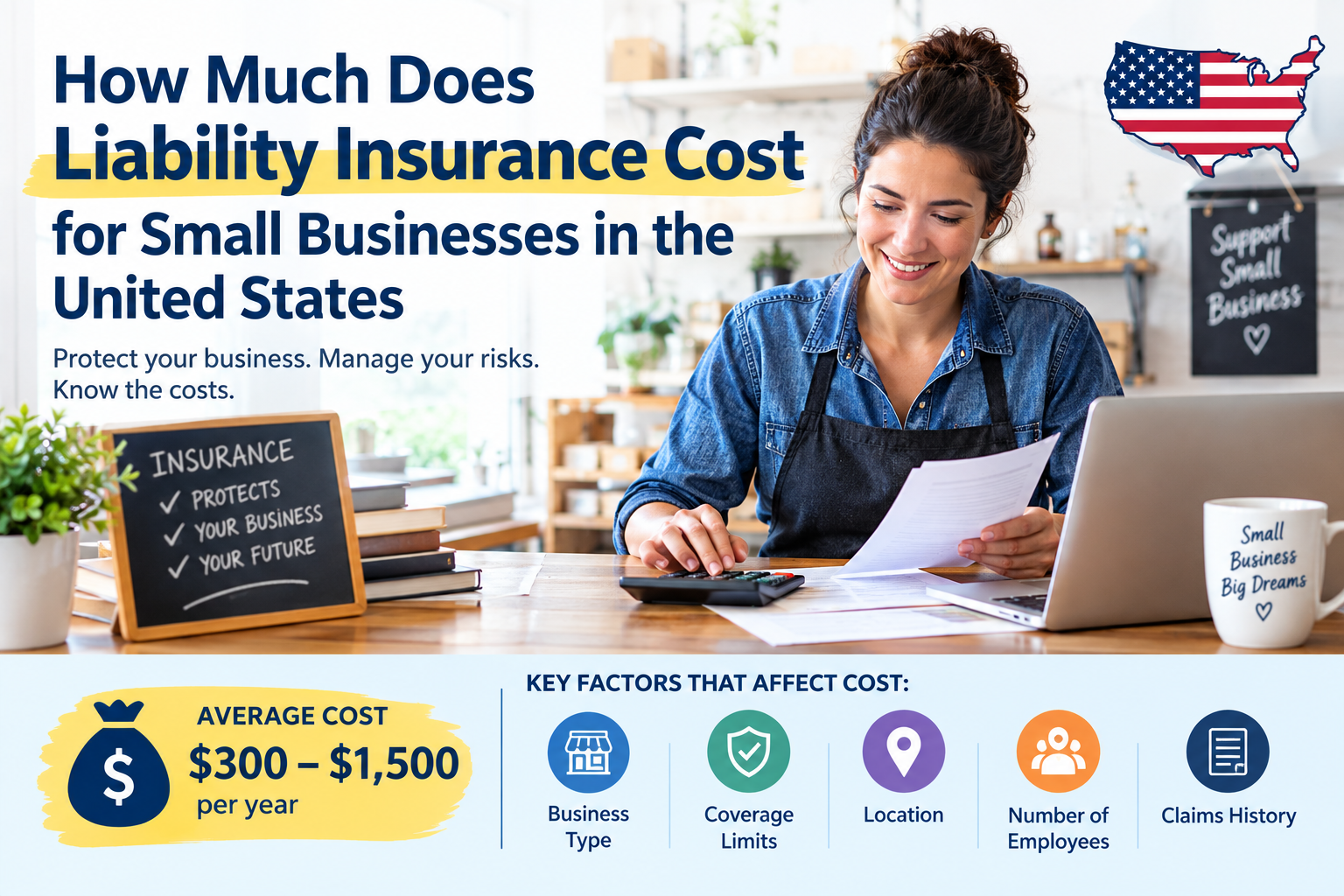
Understanding how much is liability insurance for a small business involves a comprehensive examination of several key factors that play a role in determining coverage costs. One of the foremost considerations is the type of business. Different industries have varying levels of risk associated with their operations; for example, a construction company may face higher liability exposures compared to a consulting firm. Consequently, businesses engaged in higher-risk activities typically encounter more expensive premiums.
Another critical factor is the size of the business. Larger organizations usually have more assets to protect and may also have a broader scope of operations, which can elevate the cost of insurance. Revenue is closely related to this; businesses generating higher revenue might require more extensive coverage to safeguard against potential risks, thus influencing the overall cost of liability insurance.
Claims history also significantly impacts insurance premiums. A business with a prior history of claims or lawsuits may be perceived as a higher risk, prompting insurers to adjust their pricing accordingly. Maintaining a clean claims record is beneficial for small businesses seeking competitive rates.
Location stands as another vital element in determining how much is liability insurance for a small business in the United States. Insurance providers often assess regional risks related to natural disasters, local laws, and regulations that could affect liability claims. For instance, businesses operating in areas prone to severe weather may incur higher costs due to the increased likelihood of claims stemming from property damage or business interruption.
In summary, the cost of liability insurance for small businesses is influenced by a multitude of factors, including the type and size of the business, revenue, claims history, and geographic location. Each business should carefully evaluate these elements to gain a clearer understanding of their insurance needs and potential costs related to liability coverage.
Average Costs of Liability Insurance
Understanding the average costs of liability insurance for small businesses in the United States is essential for entrepreneurs looking to protect their assets and operations. The costs can differ significantly based on various factors, including geographic location, industry, and the specific risks associated with a business’s operations. Generally, small business owners can expect to pay anywhere from $300 to $1,000 annually for general liability insurance.
The state in which a business operates plays a crucial role in determining premium costs. For example, businesses in states with higher rates of litigation or where insurance claims are more common may face higher premiums. Additionally, certain industries are deemed riskier than others. For instance, construction and manufacturing sectors tend to have higher liability risks, leading to an average annual cost that can exceed $1,500, compared to lower-risk industries like consulting, where costs might start at around $300.
Moreover, business size and the number of employees can influence the cost of liability insurance. Larger businesses or those with multiple employees often require higher coverage limits, consequently increasing their premiums. It’s essential for business owners to conduct thorough research to understand “how much is liability insurance for a small business in the United States” from various providers. This will enable them to compare rates and find the most suitable policy that fits their specific needs.
In summary, while the average costs of liability insurance can provide a guideline, the final premium amount will be determined by the unique characteristics and requirements of the business, reiterating the necessity for personalized assessments to ensure adequate coverage.
How to Determine Your Insurance Needs
Assessing the specific liability risks associated with your small business is a crucial step in determining the appropriate amount of coverage necessary to protect your assets and operations. Understanding the nuances of how much is liability insurance for a small business requires an evaluation of various factors that could influence exposure to risk.
Firstly, consider the nature of your business. Different industries carry varying levels of risk. For instance, a construction company may face more significant liability risks compared to a consulting firm. Identifying your industry-specific risks is essential, as this will help to determine your coverage needs. Additionally, think about the services or products you offer, as mistakes or defects can lead to claims against your company.
Secondly, assess your business size and customer base. A larger company or one that serves a vast customer base may face higher exposure to claims. Understanding your operations and how they interact with clients and vendors can help you gauge the potential liability. This assessment also includes evaluating any contracts or agreements that may require specific types of coverage.
Another valuable approach is to look at previous claims and losses. Analyzing past incidents or trends within your industry can provide insight into what kind of liabilities you may face. If similar businesses have encountered significant claims, it would be prudent to consider similar coverage. Furthermore, talking to other small business owners can yield useful insights and guidance on their experiences with liability insurance.
Your location should also be part of the evaluation process, as laws and regulations regarding liability insurance can differ between states. Understanding how much liability insurance for a small business in the United States varies widely due to these factors, and thus knowing the local landscape is paramount.
Ultimately, determining your insurance needs involves a comprehensive look at various elements, including industry risks, business size, customer interactions, historical claims, and geographical considerations. Taking the time to analyze these factors will help ensure that you obtain the appropriate coverage to protect your small business effectively.
Shopping for Liability Insurance: Tips and Strategies
When it comes to determining how much is liability insurance for a small business, it is essential to approach the shopping process with a structured plan. Assessing your business’s specific needs and understanding the nuances of insurance policies can significantly impact both costs and coverage.
First, it is wise to obtain multiple quotes from various insurers. Each company may offer different rates for similar coverage, so gathering at least three to five quotes will provide a clearer picture of the market. When comparing these quotes, ensure you are looking at the same coverage limits and deductibles to make an accurate assessment of costs.
Understanding the terms of the policies is also crucial. Take the time to read through the fine print; this can detect potential exclusions or limitations that might affect you. Pay attention to the types of incidents that are covered, as well as those that are not, to evaluate whether the policy adequately protects your business against specific risks.
Moreover, considering the financial stability of the insurers is paramount. Researching their ratings from organizations such as A.M. Best or Standard & Poor’s can provide insights into their reliability and ability to pay claims. It is equally important to assess customer reviews and feedback, which can shed light on their service quality and responsiveness during claims.
Another strategy involves consulting with an insurance broker. These professionals are knowledgeable about various insurance products and can tailor recommendations based on your unique business needs. They help simplify the process of purchasing liability insurance and can negotiate better rates on your behalf.
In summary, shopping for liability insurance requires a methodical approach to ensure you find a policy that balances affordability with comprehensive coverage. Knowing how much is liability insurance for a small business in the United States can guide your search, but thorough research and comparison are key to making an informed decision.
Common Exclusions in Liability Insurance Policies
When considering liability insurance for a small business, it is imperative to understand not only what is covered, but also what is excluded from coverage. Liability insurance policies often contain various exclusions that business owners should be aware of to avoid unwanted surprises during the claims process.
One common exclusion in liability insurance policies is intentional damages. Any losses that result from intentional acts by the business owner or employees typically fall outside the coverage limits. This includes situations where harm is caused deliberately, reflecting a lack of responsibility.
Another significant exclusion pertains to contractual liability. Many policies will not cover liabilities that arise from contracts unless specifically endorsed. Business owners often engage in agreements that may expose them to risks not covered by standard liability insurance. Therefore, it is wise to review such contracts and consider additional coverage if necessary.
Professional services are also frequently excluded from standard liability policies. If a business provides services—such as consulting or legal advice—specific professional liability insurance may be required. This coverage is tailored to protect against claims resulting from mistakes or negligence in the performance of professional duties, highlighting the need for specialized insurance in certain industries.
Additionally, some policies may exclude coverage for employee injuries. Instead, businesses are typically required to carry workers’ compensation insurance for such incidents. This separation of coverage underscores the importance of understanding the nuances of liability insurance policies.
In conclusion, knowing the common exclusions in liability insurance for a small business is crucial. Familiarizing oneself with limitations such as intentional damages, contractual liabilities, and industry-specific exclusions can help business owners make informed decisions about their insurance needs, ensuring they do not leave themselves unprotected in critical areas.
The Importance of Regularly Reviewing Insurance Policies
For small business owners in the United States, understanding liability insurance costs is only part of the equation. An equally important aspect is the need for regular reviews of their liability insurance policies. As a business evolves over time, so do its risks, operations, and objectives. Consequently, a policy that once provided adequate coverage may become insufficient as the business grows.
Regularly assessing liability insurance allows business owners to ensure that their coverage aligns with the current needs of their operations. For instance, consider a small retailer that initially opted for a basic plan; as their product line expands or they hire additional employees, the former policy may not cover all new risks. In such cases, businesses might wonder, “How much is liability insurance for a small business?” Reviewing the policy helps ascertain whether it still offers sufficient protection.
Moreover, changes in regulations and legal environments can significantly influence liability insurance costs and requirements. Small businesses are often subject to new laws that may necessitate increased coverage. By keeping an eye on these developments, owners can preemptively adjust their policies, maintaining compliance while also safeguarding their assets.
Additionally, taking stock of insurance needs aligns with overall business strategy. For example, if a company is planning to expand into new markets or introduce new services, revising liability insurance must be part of the strategic planning process. This proactive approach not only mitigates risks but can also lead to cost savings by identifying potential discounts for bundling multiple coverages or increasing deductibles.
In conclusion, regularly reviewing liability insurance policies is essential for small business owners to adapt to changing circumstances effectively. By understanding how much liability insurance for a small business may vary over time, entrepreneurs can maintain appropriate coverage that enhances their peace of mind and protects their assets.
Case Studies: Real-Life Examples of Liability Claims
To understand the real financial implications of liability insurance for small businesses, it is crucial to examine case studies of various enterprises that faced liability claims. These examples will shed light on the importance of having adequate coverage and the potential risks of being underinsured.
One such case involved a small restaurant in California that was sued after a customer slipped and fell on a wet floor. Despite having liability insurance, the coverage was minimal, leaving the owner to pay a significant portion of the legal expenses out of pocket. The claim not only strained the restaurant’s finances but also affected its reputation, showcasing the importance of robust insurance coverage. The owner’s experience underlines the need for comprehensive understanding of how much is liability insurance for a small business in the United States.
In another instance, a local landscaping business faced allegations of property damage after a worker accidentally damaged a homeowner’s fence during a job. The landscaping company had assumed their existing policy was sufficient; however, it was inadequate for the damages claimed. The resulting legal fees and compensation amounted to several thousand dollars, proving that a lack of adequate liability insurance can lead to substantial financial stress on a small business.
These case studies illustrate not only the financial aftermath of liability claims but also the potential operational repercussions. Small businesses must assess how much is liability insurance for a small business in the United States and ensure that they are adequately covered to mitigate the impact of unforeseen incidents. By learning from these examples, business owners can better appreciate the necessity of maintaining appropriate levels of liability insurance to protect themselves from costly lawsuits and claims.
Resources for Small Business Owners
For small business owners navigating the complexities of liability insurance, having access to reliable information is crucial. Various resources can assist in understanding how much liability insurance is necessary, the costs involved, and where to obtain the best coverage. Here are some valuable resources:
1. Industry Associations: Many professional organizations offer extensive resources related to liability insurance tailored to specific sectors. For instance, the National Federation of Independent Business (NFIB) provides guidance on insurance needs for small business owners. Additionally, sector-specific associations often have partnerships with insurance providers to offer competitive rates and insights into common liabilities within the industry.
2. Regulatory Bodies: The Small Business Administration (SBA) offers a wealth of information regarding both liability insurance and the requirements for small businesses based in the United States. The SBA website includes guidelines for insurance coverage necessary to comply with state and federal laws. Engaging with state insurance departments can also provide localized insights into the regulations that impact liability insurance costs.
3. Online Insurance Marketplaces: Various platforms exist that allow small business owners to compare quotes from different liability insurance providers. Websites such as CoverWallet and Insureon enable users to evaluate options, understand average costs, and read reviews on specific insurers. These tools simplify the process of discovering how much liability insurance is for a small business, ensuring entrepreneurs can make informed decisions.
By leveraging these resources, small business owners can gain a clearer understanding of the complexities involved in liability insurance, enabling them to anticipate costs and find the right coverage to protect their interests. The wealth of information available can assist in demystifying the various aspects of liability insurance, making it a manageable task for businesses of all sizes.
FAQs: How Much Does Liability Insurance Cost for Small Businesses in the United States?
1. How much does liability insurance cost for a small business in the United States?
The cost of liability insurance for a small business in the U.S. depends on factors such as business type, location, coverage limits, number of employees, and risk level. On average, small businesses may pay anywhere from a few hundred to several thousand dollars per year for general liability coverage. Low-risk businesses usually have lower premiums, while industries with higher risks may pay more.
2. What factors affect the cost of small business liability insurance?
Several factors influence liability insurance pricing, including the type of business, annual revenue, claims history, employee count, services offered, coverage amount, and location. For example, a construction company may pay more than a consulting business because it faces greater physical injury and property damage risks.
3. Is liability insurance expensive for a new small business?
Liability insurance is often affordable for many startups, especially businesses with limited operations and lower risks. However, new businesses should compare policies carefully because choosing very low coverage limits may leave them financially exposed if a claim occurs.
4. What types of liability insurance do small businesses need?
The most common type is general liability insurance, which typically helps cover claims related to third-party bodily injuries, property damage, and advertising injuries. Some businesses may also need professional liability insurance, product liability insurance, cyber liability insurance, or commercial umbrella coverage depending on their industry.
5. How can a small business reduce liability insurance costs?
Small businesses can potentially lower insurance costs by improving workplace safety, maintaining a good claims history, comparing quotes from multiple insurers, choosing suitable coverage limits, bundling policies, and regularly reviewing their insurance needs as the business grows.
6. Does the industry affect small business liability insurance rates?
Yes. The industry is one of the biggest factors affecting insurance premiums. Businesses involved in construction, manufacturing, transportation, healthcare, and physical services often face higher risks and may have higher insurance costs compared with businesses such as consulting, marketing, or online services.
7. Is liability insurance required for small businesses in the United States?
Requirements vary depending on the state, industry, contracts, and business structure. While general liability insurance is not always legally required, many landlords, clients, and vendors require businesses to carry coverage before signing agreements or starting work.
8. What does small business liability insurance typically cover?
General liability insurance may cover costs related to third-party bodily injury claims, property damage claims, personal and advertising injury claims, and legal defense expenses. Coverage depends on the specific policy terms, exclusions, and limits selected by the business owner.
9. Can I get liability insurance with a limited budget as a small business owner?
Yes. Many insurers offer customizable policies that allow business owners to select coverage based on their risks and budget. However, it is important to balance affordability with enough protection to handle potential claims and legal expenses.
10. How do I get an accurate liability insurance quote for my small business?
To receive an accurate quote, provide details about your business operations, industry, revenue, employees, location, services, and previous claims history. Comparing quotes from multiple insurance providers can help you find coverage that matches your business needs and budget.
Read More:



One thought on “How much does Liability Insurance Costs for Small Businesses in the United States”