Understanding Short Term Disability Insurance
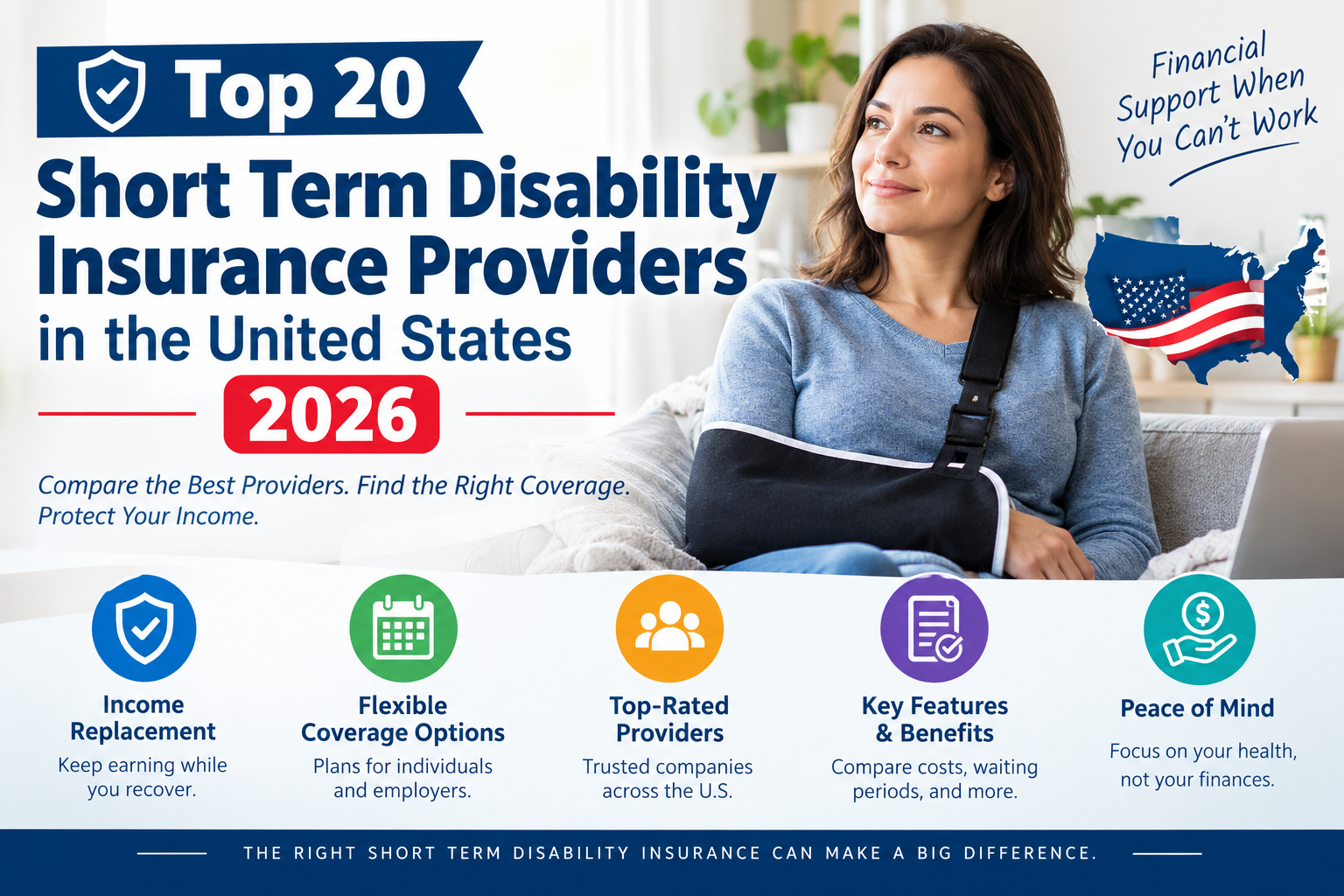
Short term disability insurance is a form of coverage designed to provide financial support to individuals who are temporarily unable to work due to medical conditions, injuries, or other health-related issues. This type of insurance typically covers a portion of an individual’s wages, helping to ease financial burdens during periods of recovery or rehabilitation. Its significance lies in the security it offers, ensuring that policyholders do not face severe economic hardship while they focus on their health.
The importance of short term disability insurance cannot be overstated. For many employees, a sudden inability to earn income can lead to overwhelming stress and financial difficulties. This insurance acts as a safety net, often covering up to 60-70% of one’s salary for a limited time, usually ranging between three to six months. This coverage can be critical in allowing individuals to meet their day-to-day financial commitments, such as rent or mortgage payments, utility bills, and other essential expenses.
It is also essential to differentiate between short term and long term disability insurance. While short term disability insurance covers temporary periods of incapacity, long term disability insurance is designed for more extended periods, often several years or until the individual reaches retirement age. The former is particularly beneficial for those recovering from surgery or serious illness, while the latter may suit individuals facing chronic conditions or disabilities that significantly impair their ability to work for an extended duration.
Individuals in various professional sectors, especially those in high-risk jobs or with physically demanding roles, may greatly benefit from short term disability insurance. It provides peace of mind, knowing they have a financial fallback should illness or injury disrupt their ability to work. Overall, understanding the nuances and importance of short term disability insurance can empower individuals to make informed decisions regarding their financial planning and risk management.
How to Choose the Right Short Term Disability Insurance
Choosing the appropriate short-term disability insurance is a critical decision that impacts both financial stability and peace of mind during unforeseen medical situations. When evaluating the top 20 best short term disability insurance companies in the united states, it is essential to consider multiple factors that can affect the suitability of a policy to your unique needs.
First and foremost, premium costs should be a significant consideration. The monthly premium you are willing to pay can vary significantly among insurers. It’s vital to balance affordability against the potential benefits and coverage offered by each plan. Ensure that the premium fits your budget while providing adequate coverage.
Next, examine the coverage limits associated with each policy. Different insurance providers may have varying limits on how much they will pay you in the event of a qualifying disability. Understanding the extent of the financial support during your period of disability is crucial. Compare these limits across the top 20 best short term disability insurance companies in the united states to ensure you’re making a well-informed choice.
Waiting periods are another key element to analyze. A waiting period is the time you must wait before benefits begin after becoming disabled. These periods can last anywhere from a few days to several weeks, and knowing how long you may have to wait to receive assistance can influence your overall financial planning during a disability event.
Lastly, consider the policy exclusions that different providers list in their agreements. Exclusions can include specific conditions or situations under which benefits would not be paid. Thoroughly reviewing these exclusions will help you understand the limitations of each policy and aid you in comparing the features of various plans effectively.
In conclusion, careful consideration of premium costs, coverage limits, waiting periods, and policy exclusions will facilitate a smarter choice when selecting short-term disability insurance. Assessing these factors against the offerings of the top 20 best short term disability insurance companies in the united states can ensure that you choose a policy that aligns well with your circumstances and needs.
Overview of the Top 20 Short Term Disability Insurance Companies
When it comes to selecting a short term disability insurance provider, consumers face a myriad of options in the marketplace. This blog post aims to guide you through the top 20 best short term disability insurance companies in the United States, highlighting their unique attributes, strengths, and areas of expertise. Each company on our list has been evaluated based on several key criteria including reputation, financial stability, and customer service ratings, which are critical factors to consider when choosing a provider.
Short term disability insurance serves an important role by offering coverage for a limited duration, typically ranging from a few weeks to a few months. This type of insurance is essential for individuals who may face temporary incapacitation due to various medical conditions, injuries, or unforeseen events that prevent them from performing their job duties. In this section, we will provide a detailed overview of each recognized company, including insights into their coverage options, claim processes, and overall customer experiences.
The companies selected for this list represent a mix of established names and newer entrants in the short term disability insurance market. They have earned accolades and respect within the industry and from their customers. By examining their financial health and client satisfaction ratings, potential policyholders can make informed decisions. It is vital to ensure that the insurance company has a solid track record of handling claims efficiently and supporting their clients during challenging times.
In the forthcoming sections, we will delve deeper into the specifics of each provider, illustrating why they stand out in the landscape of short term disability insurance. The aim is to equip readers with the knowledge needed to identify the best options that match their unique needs and circumstances.
Company Profiles: A Closer Look
The top 20 best short term disability insurance companies in the United States offer a variety of plans tailored to meet the diverse needs of policyholders. Below is a closer look at each of these providers, detailing their key features, coverage options, and customer satisfaction ratings.
1. Aflac: Renowned for its innovative policies, Aflac provides short term disability insurance that covers a range of conditions. Its unique cash benefit structure allows claimants to use funds as needed, enhancing customer control. Premiums are competitive, making it a popular choice.
2. MetLife: With a strong reputation for customer service, MetLife offers comprehensive coverage that includes job-related injuries. Their plans are designed for flexibility, allowing customization to suit individual needs. However, some users report a lengthy claims process.
3. Unum: Known for its robust financial rating, Unum delivers solid short term disability solutions. The company provides extensive educational resources, helping policyholders understand their options. While their premiums are on the higher end, the quality of service and coverage options justify the cost.
4. Guardian: Guardian stands out with its individualized coverage options that cater to specific professions. The company values customer feedback and regularly updates its policies. However, some customers note higher premium costs compared to competitors.
5. Cigna: With an impressive array of support services, Cigna offers short term disability insurance with various policy structures. Although premiums can be variable, they frequently receive positive customer satisfaction ratings for their efficient claims processing.
Each provider has its strengths and weaknesses, making it essential for potential buyers to assess their unique needs when considering the top 20 best short term disability insurance companies in the United States. Understanding the specifics of product offerings, customer feedback, and financial stability aspects is crucial for making informed decisions.
As we continue to review the remaining providers, it is imperative to compare coverage options and premiums, ensuring a plan aligns with personal requirements and expectations.
Customer Experiences and Testimonials
Customer experiences play a crucial role in understanding the effectiveness and reliability of the top 20 best short term disability insurance companies in the United States. These experiences often reveal trends in customer satisfaction and offer specific insights into the strengths and weaknesses of different providers. Many customers share their testimonials on platforms such as social media, review websites, and forums, giving potential policyholders a glimpse into the practical aspects of their insurance plans.
One common theme in customer feedback is the importance of timely claims processing. Many insured individuals have reported that the speed with which their claims were handled significantly influenced their overall satisfaction. Several customers praised providers that ensured a smooth and rapid claim experience, often highlighting companies that maintained clear communication throughout the process. This reinforces the idea that responsiveness can be a key factor in determining customer satisfaction among the top 20 best short term disability insurance companies in the United States.
Conversely, there are accounts of dissatisfaction primarily stemming from lengthy delays and complicated claim procedures. Customers noted that when they faced uncertain times due to illness or injury, experiencing unnecessary complications with their claims added to their stress. These negative stories underline the importance of reviewing not only the coverage options but also the operational aspects of short term disability insurance plans.
Furthermore, some providers received commendations for their comprehensive customer support. Companies that offered dedicated representatives to assist clients with inquiries or concerns typically garnered higher ratings for customer service. Positive testimonials emphasized the importance of having a supportive team ready to help navigate the complexities of disability insurance.
In conclusion, while analyzing the experiences and testimonials of customers provides valuable insight, it is essential for potential policyholders to consider these narratives alongside the overall credibility and reputation of the insurance providers. By doing so, individuals can make more informed decisions when selecting from the top 20 best short term disability insurance companies in the United States.
Cost Analysis of Short Term Disability Insurance
Analyzing the cost of short term disability insurance is vital for consumers looking to protect themselves against unforeseen income loss due to temporary disabilities. The average premiums for these policies can vary significantly based on several key factors, including the provider, coverage amount, and individual health circumstances.
On average, individuals can expect to pay between 1% to 3% of their annual salary for short term disability insurance premiums. For instance, a policyholder earning $50,000 annually might pay between $500 to $1,500 each year. This wide range is influenced by age, occupation, pre-existing health conditions, and the waiting period before benefits begin. Moreover, many providers offer different plans, which can also affect cost and benefits offered, making it essential to compare options from the top 20 best short term disability insurance companies in the United States.
To maximize value when selecting a policy, it is essential to consider additional elements that may affect costs. For instance, higher coverage limits generally result in increased premiums, while choosing a longer waiting period may lower your monthly payment but delay when benefits kick in. Additionally, some companies offer discounts for bundling disability insurance with other policies, such as life or health insurance, which can also provide significant savings.
When evaluating different providers, prospective policyholders should research customer ratings, financial stability, and claims processes to ensure they select a reliable provider. Utilizing comparison tools available online can also assist individuals in identifying the best deals tailored to their specific needs.
In conclusion, understanding cost factors and implementing strategic comparisons can significantly enhance the search for short term disability insurance. Individuals are encouraged to meticulously analyze their options to find the best coverage at competitive rates, ultimately aiding in crafting a robust financial safety net against unexpected life events.
FAQs About Short Term Disability Insurance
Short term disability insurance is a crucial safety net for individuals who may find themselves unable to work due to various health issues or accidents. Understanding its nuances can significantly aid in the decision-making process. Here are some frequently asked questions regarding short term disability insurance.
What is short term disability insurance?
Short term disability insurance provides income replacement for a limited duration, typically ranging from a few weeks up to six months, for individuals who are temporarily unable to work. Policies differ in coverage and benefits, with some offering a portion of the insured’s salary during their time away from work.
Who is eligible for short term disability insurance?
Eligibility often depends on the policy terms and the specific insurance provider. Generally, employees must be actively at work at the time of the disability onset. Some policies may allow self-employed individuals to purchase coverage as well. Additionally, factors such as length of service and group insurance membership can play a role in determining eligibility.
How do I file a claim?
Filing a claim for short term disability insurance usually involves notifying the insurer as soon as possible after a qualifying event. Claim forms must typically be completed, and supporting documentation, including medical records and your employer’s verification of your employment status, may be required. Policyholders should maintain proactive communication with their insurance company throughout the claims process to ensure a smooth experience.
What are the implications of pre-existing conditions?
Pre-existing conditions can significantly impact the coverage provided by short term disability insurance. Many insurers impose a waiting period for claims related to pre-existing conditions, which may lead to a denial of benefits if the disability occurs within that timeframe. Additionally, the definition of a pre-existing condition can vary widely, so it is essential to review policy documents carefully.
Individuals considering short term disability insurance should weigh these considerations to ensure they choose from the top 20 best short term disability insurance companies in the United States, offering comprehensive coverage that suits their needs.
Trends in the Short Term Disability Insurance Market
The short term disability insurance market is continuously evolving, reflecting the dynamic needs of consumers and the broader economic environment. Recent trends have indicated a significant shift in how both providers and insured individuals approach short term disability insurance. One notable trend is the increasing awareness among employees regarding their rights to disability benefits, which is prompting companies to improve their offerings and clarify the details of their policies.
Additionally, regulatory changes at both state and federal levels are influencing the way short term disability insurance is structured. New laws aimed at expanding coverage and ensuring compliance are compelling insurance providers to reevaluate their policies. As a result, companies are increasingly focusing on creating more flexible and comprehensive options that meet regulatory standards and cater to the diverse needs of their clientele.
Technological advancements also play a pivotal role in shaping trends within this sector. Organizations are harnessing technology to streamline claims processing and improve service delivery. Digital tools and platforms facilitate better communication and transparency between insurers and policyholders, enhancing the overall user experience. Moreover, the integration of telehealth services with short term disability insurance is becoming more prevalent, enabling quicker assessments and approvals of claims.
Another important trend is the growing emphasis on mental health coverage within short term disability policies. Recognizing the impact of mental health on overall well-being, many insurance providers are now incorporating mental health conditions into their coverage options. This adaptation is essential in addressing the comprehensive health needs of modern consumers, thus increasing the relevance of short term disability insurance in today’s market.
Overall, these trends highlight how the top 20 best short term disability insurance companies in the United States are evolving to meet the changing landscape. By staying attuned to employee needs, regulatory requirements, and technological enhancements, these companies can ensure a robust response to an increasingly complex environment.
Conclusion and Final Recommendations
As we have explored the top 20 best short term disability insurance companies in the United States, it is clear that selecting the right provider can significantly impact your financial security during periods of unexpected medical difficulties. Each company on our list offers unique benefits, coverage options, and customer support systems that can cater to diverse individual requirements
When considering a short term disability insurance provider, it is essential to evaluate factors such as the waiting period, benefit duration, and the percentage of your income that can be replaced. Furthermore, prospective policyholders should carefully read through the policy details, ensuring they understand any exclusions or limitations that may apply. It is recommended to assess the company’s financial strength and customer service reputation through reviews and ratings.
As you reflect on your options, remember that the “top 20 best short term disability insurance companies in the United States” may offer a variety of premiums tailored to your unique situation. Seeking quotes from multiple providers can enhance your chance of finding a competitive rate while ensuring adequate coverage. It can also be beneficial to consult with a licensed insurance agent who can guide you toward a plan that aligns with your personal and financial goals.
In summary, taking the time to research and compare different short term disability insurance companies will empower you to make an informed decision. Our detailed overview aims to serve as a helpful resource in your journey toward securing the coverage you need to safeguard against potential income loss due to disability. Ultimately, being proactive in choosing the right provider not only contributes to personal peace of mind but also ensures ongoing financial stability during challenging times.
Frequently Asked Questions About Short-Term Disability Insurance Providers in the United States 2026
What is short-term disability insurance?
Short-term disability insurance provides income replacement when a covered illness, injury, or medical condition temporarily prevents an insured person from working, subject to the policy’s terms, exclusions, waiting period, and eligibility requirements.
What do short-term disability insurance providers offer?
Providers may offer individual or employer-sponsored policies with different benefit amounts, elimination periods, benefit durations, eligibility rules, exclusions, and premium structures. Policy features vary by insurer and state.
How much does short-term disability insurance cost?
Premiums can vary based on factors such as age, occupation, income, coverage amount, waiting period, benefit duration, health information where permitted, and the insurer’s underwriting guidelines. Employer-sponsored coverage may have a different cost structure from individually purchased insurance.
How much does short-term disability insurance pay?
A policy generally replaces a percentage of covered income rather than paying the full salary. The exact benefit depends on the policy’s stated benefit percentage, maximum monthly amount, and other applicable limitations.
How long can short-term disability benefits last?
Benefit periods differ by policy. Some plans provide benefits for several months, while others may have longer or shorter maximum periods. The policy documents determine the applicable duration.
What is the elimination period for short-term disability insurance?
The elimination period is the amount of time an insured person must remain disabled before eligible benefits begin. Common waiting periods can vary by policy, and a shorter waiting period may affect premium costs.
What conditions can qualify for short-term disability benefits?
Covered conditions may include certain injuries, illnesses, surgeries, or other medical conditions that prevent the insured person from performing covered work duties. Qualification depends on the policy definition of disability and applicable medical documentation requirements.
Can I buy short-term disability insurance as an individual?
Some insurers offer individual disability income policies, while other short-term disability coverage is primarily available through employers or group benefit programs. Availability and policy options vary by state and insurer.
Is short-term disability insurance available through an employer?
Yes. Many short-term disability plans are offered as employee benefits through workplace group insurance programs. The employer’s plan determines eligibility, employee contributions, covered benefits, and claim procedures.
What should I compare when choosing a short-term disability insurance provider?
Important factors to review include benefit amount, elimination period, maximum benefit duration, exclusions, premium or employee contribution, definition of disability, claim requirements, policy renewability, and any state-specific provisions.
Do short-term disability insurance policies cover pregnancy?
Some short-term disability policies may provide benefits related to pregnancy and childbirth when the applicable policy provisions and eligibility requirements are satisfied. Coverage can depend on the plan, waiting period, pre-existing condition provisions, and applicable state rules.
Can I receive short-term disability benefits for a mental health condition?
Some policies may cover qualifying mental health conditions, but limitations or special provisions can apply. Review the policy’s definition of disability, exclusions, benefit limitations, and claim requirements.
Can pre-existing conditions affect short-term disability coverage?
Yes. Depending on the policy and underwriting rules, pre-existing conditions may be excluded or subject to limitations. Employer-sponsored plans can have different provisions from individual policies.
How do I file a short-term disability insurance claim?
The claim process commonly involves notifying the insurer or plan administrator, completing claim forms, providing medical documentation, and submitting employment or income information when required. Specific procedures vary by provider and policy.
How long does it take to receive short-term disability benefits?
Timing varies depending on the policy’s elimination period, claim review process, completeness of documentation, and other eligibility requirements. Benefits generally do not begin until the applicable waiting period has been satisfied and the claim is approved.
Can I work while receiving short-term disability benefits?
It depends on the policy. Some plans may permit limited work or have partial-disability provisions, while others may impose restrictions. Working while receiving benefits should be evaluated under the specific policy terms.
Are short-term disability insurance benefits taxable?
Tax treatment can depend on who paid the premiums, how the policy was funded, and applicable federal and state tax rules. Policyholders should review their plan documents and consult a qualified tax professional for advice specific to their circumstances.
Is short-term disability insurance required in the United States?
There is no single nationwide requirement that all employers or individuals carry private short-term disability insurance. Certain states have their own temporary disability or paid leave programs, and employer obligations can vary by jurisdiction.
Can I have both short-term and long-term disability insurance?
Yes. The two types of coverage can complement each other. Short-term disability generally addresses a temporary period away from work, while long-term disability is designed to provide income protection for qualifying disabilities that last longer, subject to policy terms.
How do I compare the top 20 short-term disability insurance providers for 2026?
A comparison should consider each provider’s available coverage, policy features, eligibility requirements, benefit limits, waiting periods, pricing factors, claims process, and state availability. Provider rankings can vary depending on the criteria used, so readers should review the underlying policy details before purchasing coverage.
Read More: